
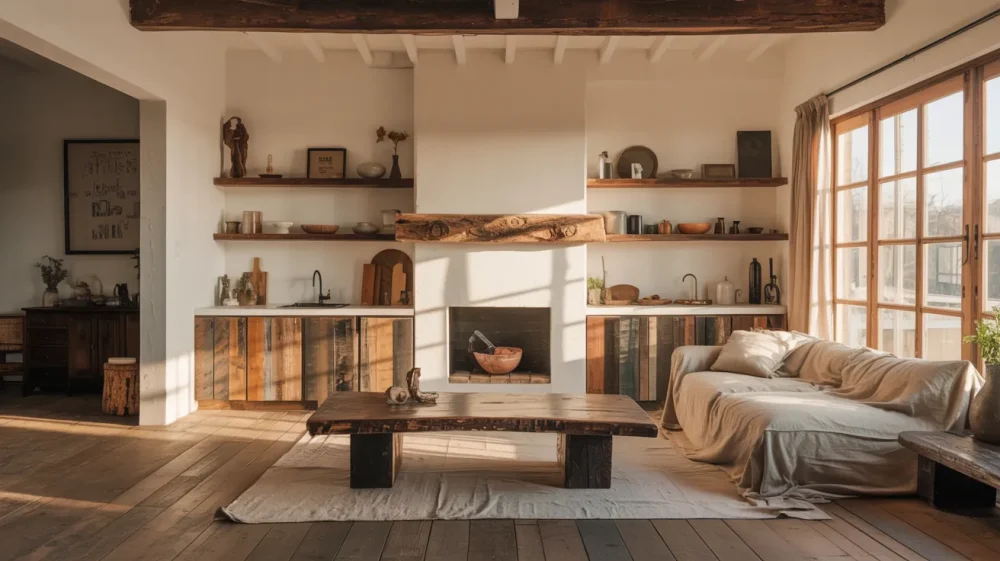
30 Reclaimed Wood Decoration Ideas for a Perfectly Balanced Modern Farmhouse Aesthetics
You walk into a room and something just feels right — warm, grounded, like someone actually lives there and loves it. Nine times out of ten, there’s aged wood somewhere in that picture. A chunky shelf above the stove, a ceiling beam that catches the afternoon light, a rough-edged mirror frame leaning against a white wall. That specific combination of raw texture and modern restraint is not an accident, and it is not as hard to pull off as it looks. Whether you are starting from scratch or trying to soften a space that feels a little too cold and catalog-perfect, reclaimed wood farmhouse decor is the missing layer. These 30 ideas will show you exactly where to put it.
The Honest Mistake I Made With Aged Wood (And What I Learned)
The first time I styled a reclaimed wood accent wall, I went all in — floor to ceiling, every plank dark and dramatic. I was so proud of it for about two weeks. Then I noticed the room felt like a cave. The light disappeared, the white trim looked dingy, and everything else I owned suddenly looked wrong against it. I had not balanced the wood with anything lighter, and the result was heavy in the worst way.
The single biggest lesson: aged wood needs breathing room and a light counterpart to work in a modern space. After I painted the adjacent wall a warm off-white and swapped in linen curtains, the same wood wall went from oppressive to stunning. The wood had not changed — the context around it had. Keep that in mind before you commit to any large-scale reclaimed wood installation.
Aged Wood Accents for the Kitchen That Actually Earn Their Keep
The kitchen is where reclaimed wood does its best work — it softens hard surfaces and makes a functional room feel genuinely inviting.
1. Thick Floating Shelves With a Rough-Sawn Edge
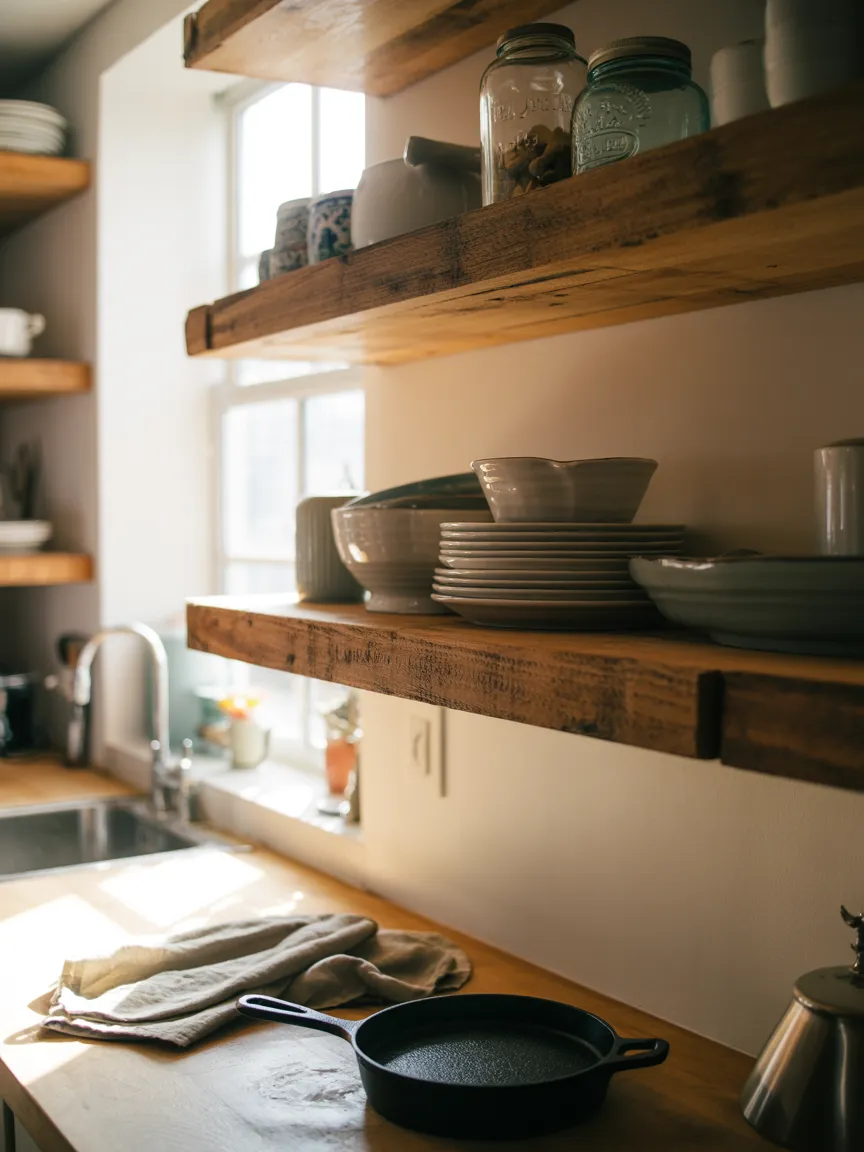
Styling thick reclaimed wood floating shelves in a farmhouse kitchen is one of the highest-impact moves you can make for the least amount of renovation. A 3-inch-thick slab of barn wood mounted above open shelving immediately reads as intentional and architectural. Go at least 10 inches deep so they can hold real weight — dishes, jars, cast iron — without looking like decorative afterthoughts.
2. A Reclaimed Wood Range Hood Surround
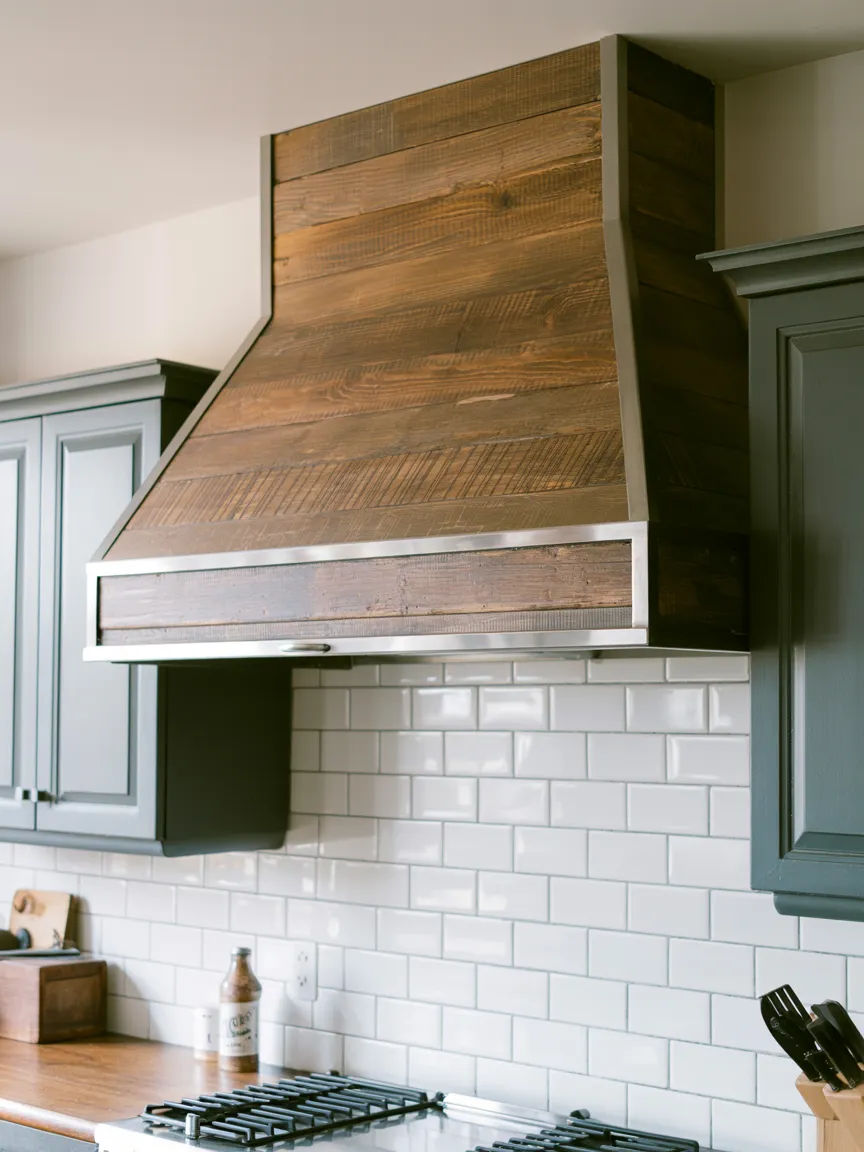
Wrapping a standard metal range hood in salvaged timber boards turns the most utilitarian part of your kitchen into a focal point. Wire-brushed oak with visible grain works especially well here because it reads as warm without competing with stainless appliances. Do not skip the fire-rated sealant — beauty is not worth a hazard.
3. Antique Cutting Boards as Functional Wall Art
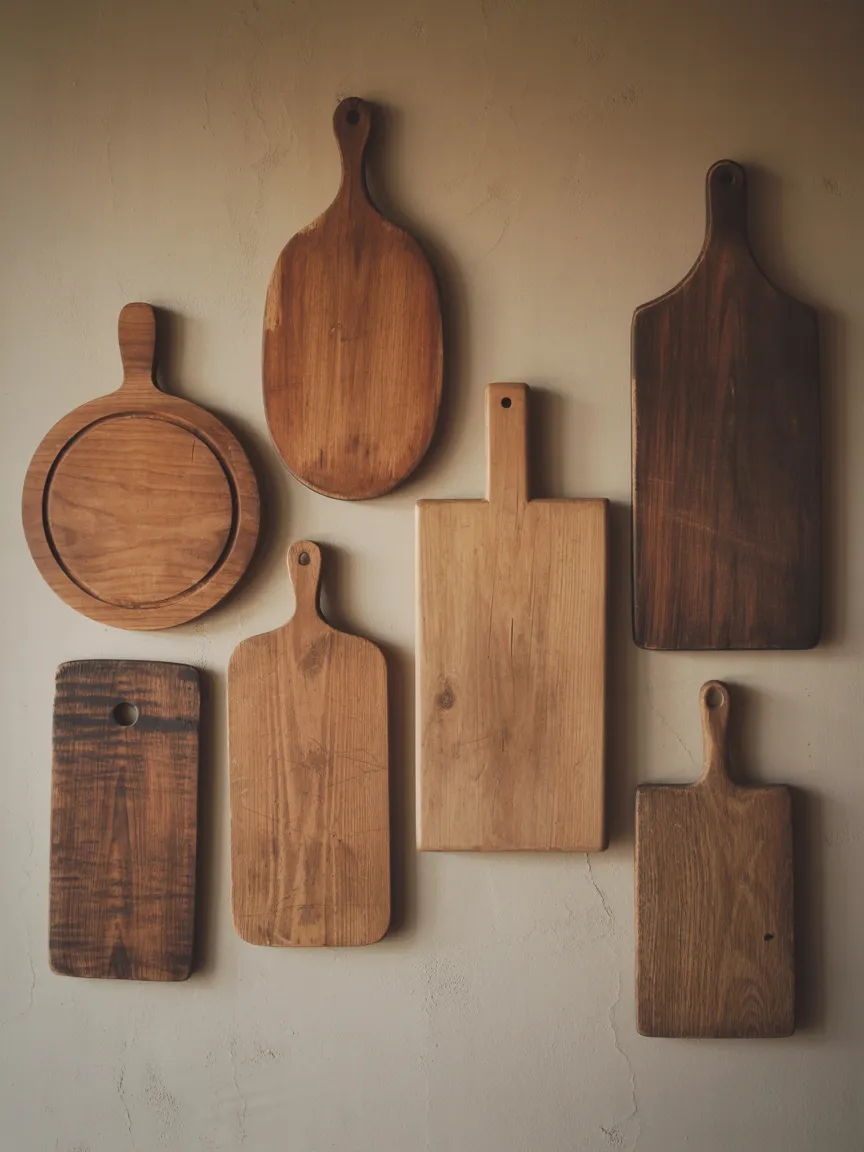
A grouping of antique cutting boards hung on a bare kitchen wall costs almost nothing and adds genuine age and character instantly. Mix shapes — round, rectangular, paddle-style — and vary the wood tones from honey to dark walnut for depth. The asymmetry is the whole point, so resist the urge to align them perfectly.
4. Warm Wood Kitchen Accents on Cabinet Toe Kicks
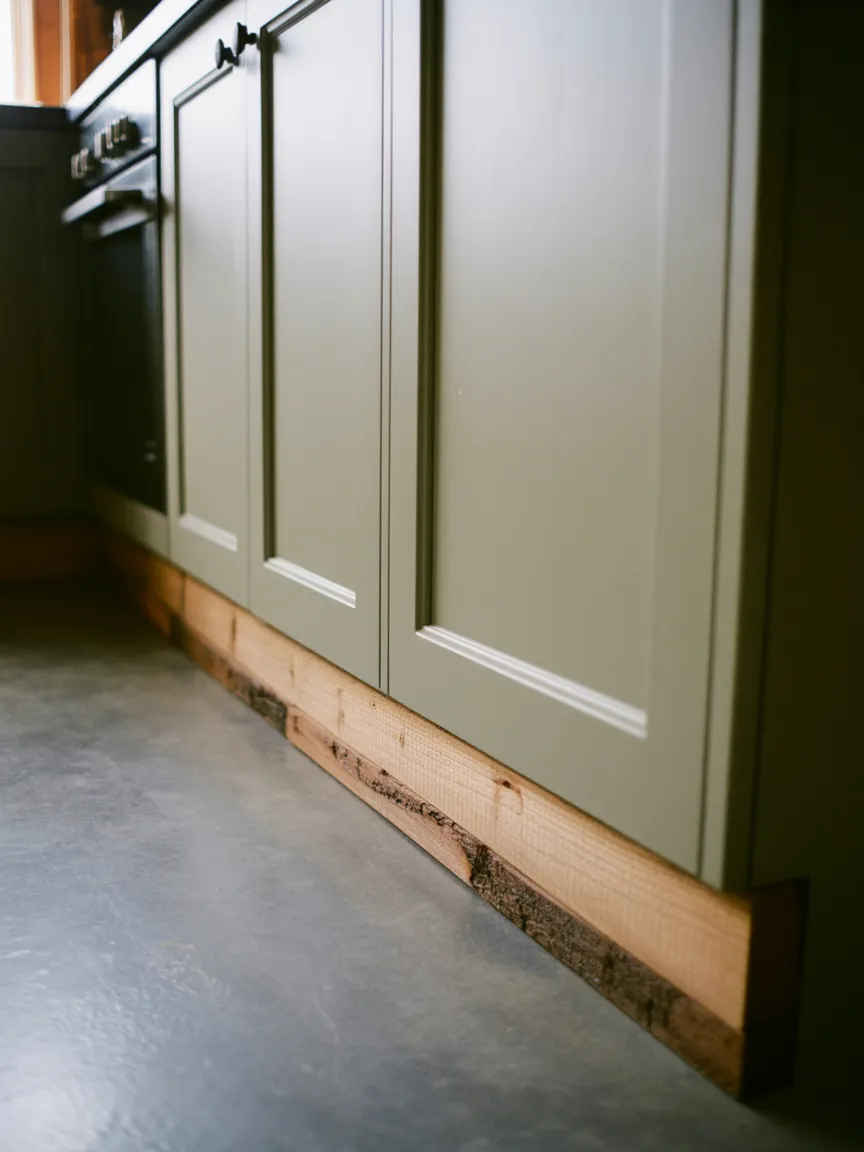
Replacing painted toe kicks with thin strips of reclaimed barnwood is a detail almost no one notices consciously — but everyone feels. It grounds the cabinetry and adds a layer of texture at floor level that makes the whole kitchen look more custom. This is a genuinely underrated move for renters who can reverse it when they leave.
5. Vintage Dough Bowls as Countertop Centerpieces
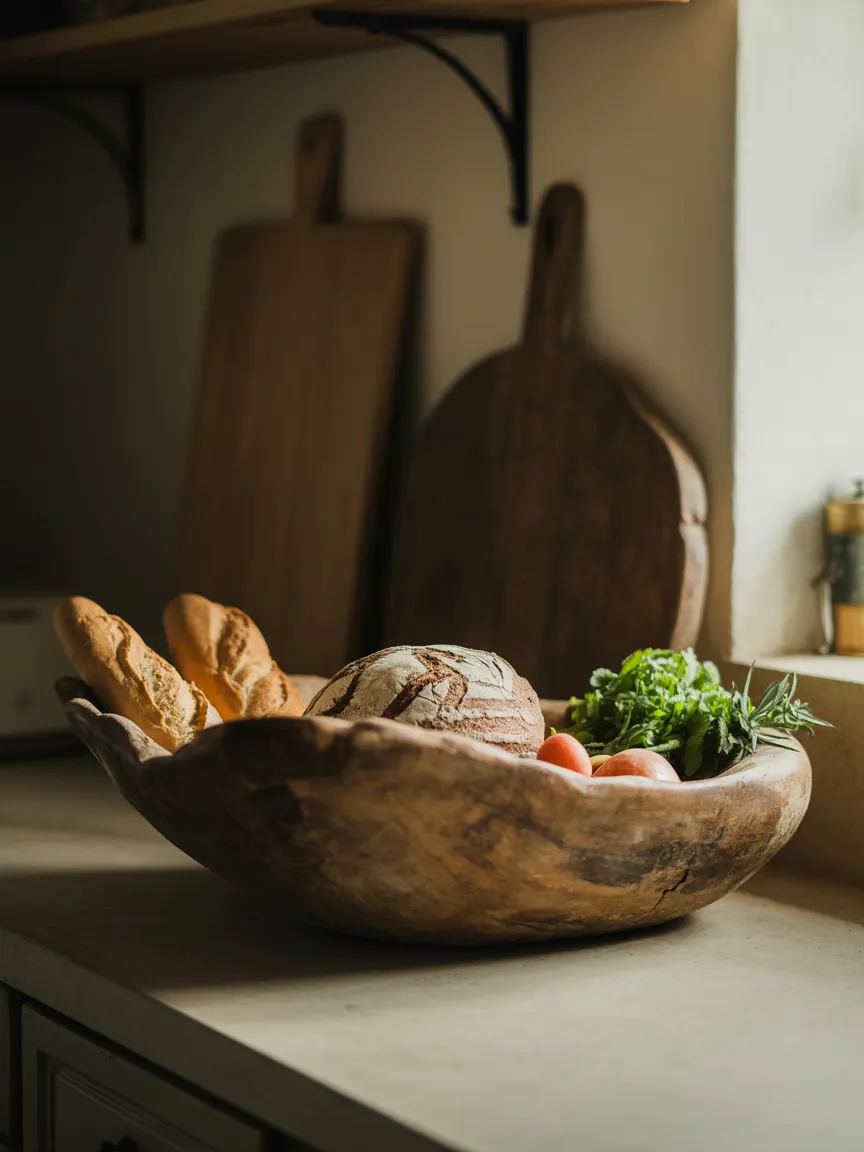
A large vintage dough bowl filled with seasonal produce, bread, or even just a few smooth stones gives a farmhouse kitchen its soul. The hand-carved irregular shape carries hundreds of years of visual history in one object. Buy the biggest one you can afford — scale matters, and a small dough bowl just looks like a salad bowl.
Living Room Ideas That Layer Aged Wood Without Overdoing It
In a living room, the goal is warmth without weight — wood should feel like it belongs, not like a theme.
6. A Hand-Hewn Mantel Beam as the Room’s Anchor
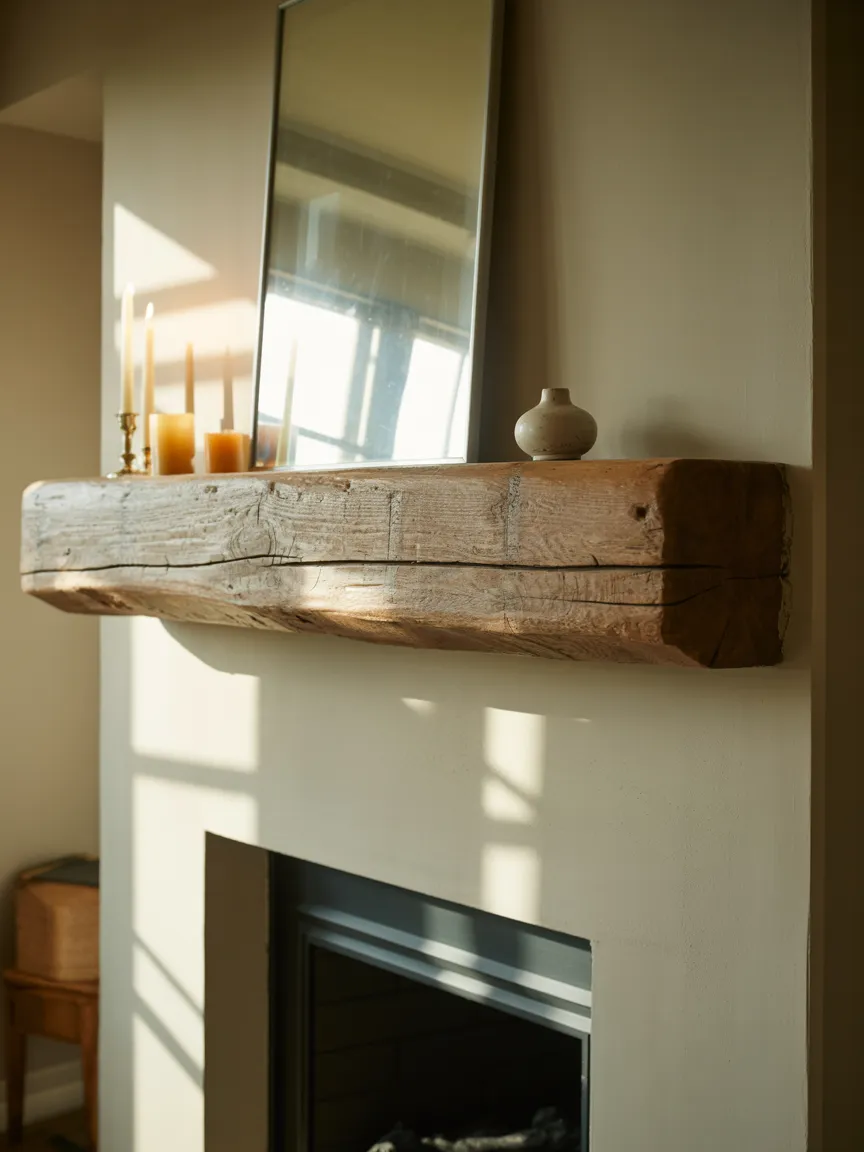
A hand-hewn mantel beam above a fireplace — or even a non-working one — sets the entire tone of a living room in a single element. Look for beams with visible adze marks and natural checking, which are the small cracks that form as old wood dries. Pair it with a simple white plaster surround so the beam gets all the attention it deserves.
7. Modern Farmhouse Wood Wall Art From a Single Plank
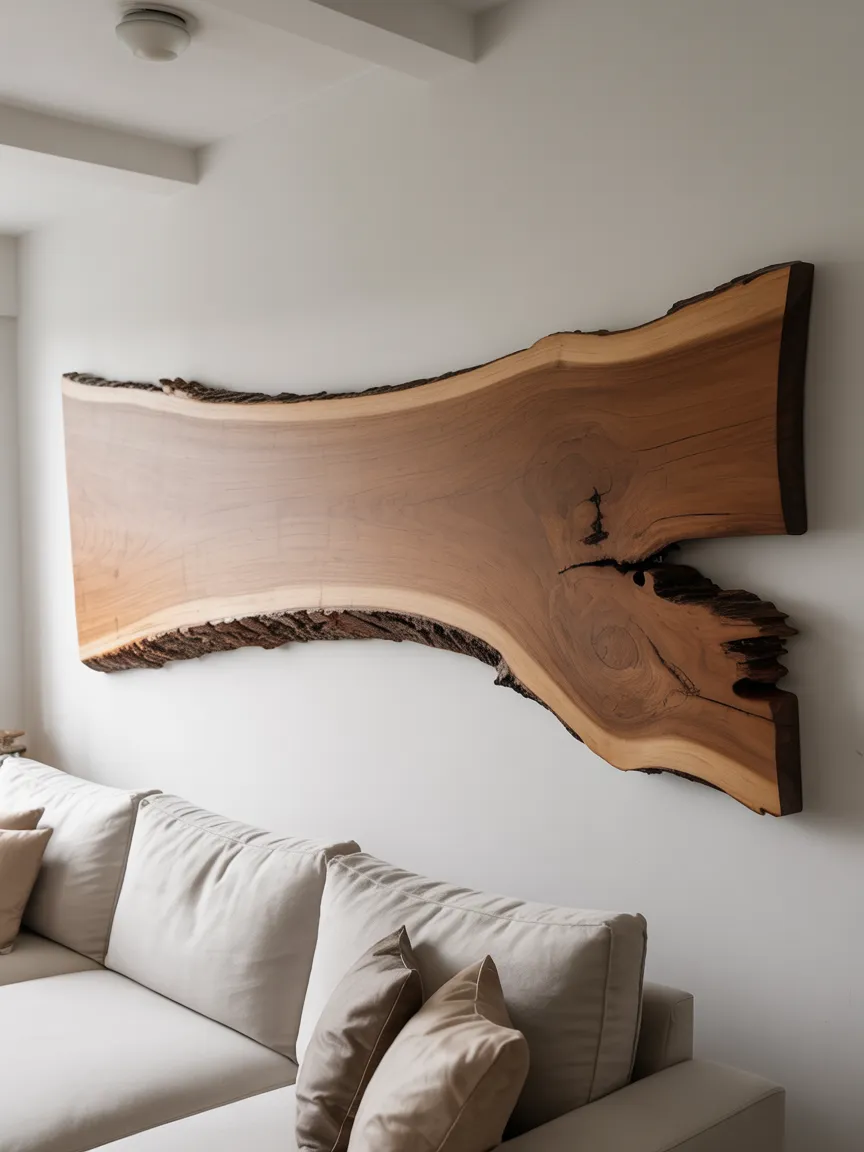
One large, live-edge slab mounted horizontally on a white wall is more striking than any gallery arrangement you will ever put together. The natural edge does all the work — you do not need to add anything to it. Seal it with a matte polyurethane clear coat to protect the surface while keeping that raw, unfinished look intact.
8. Salvaged Timber Corbels as Shelf Brackets
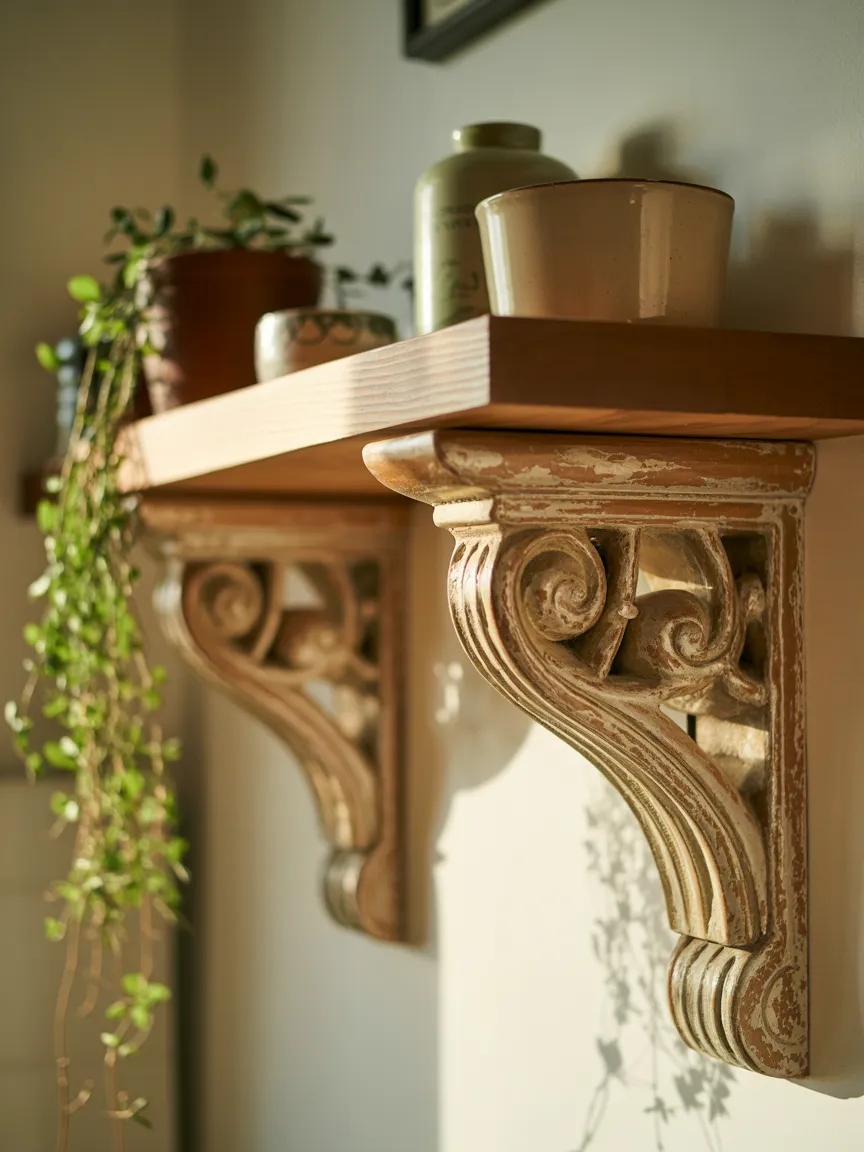
Salvaged timber corbels used as shelf brackets add architectural weight and craftsmanship to even the most basic floating shelf setup. Find them at architectural salvage yards or antique markets — the older and more worn, the better. They look best when the shelf material matches or closely echoes the corbel’s wood tone.
9. A Distressed Wood Coffee Table With Metal Legs
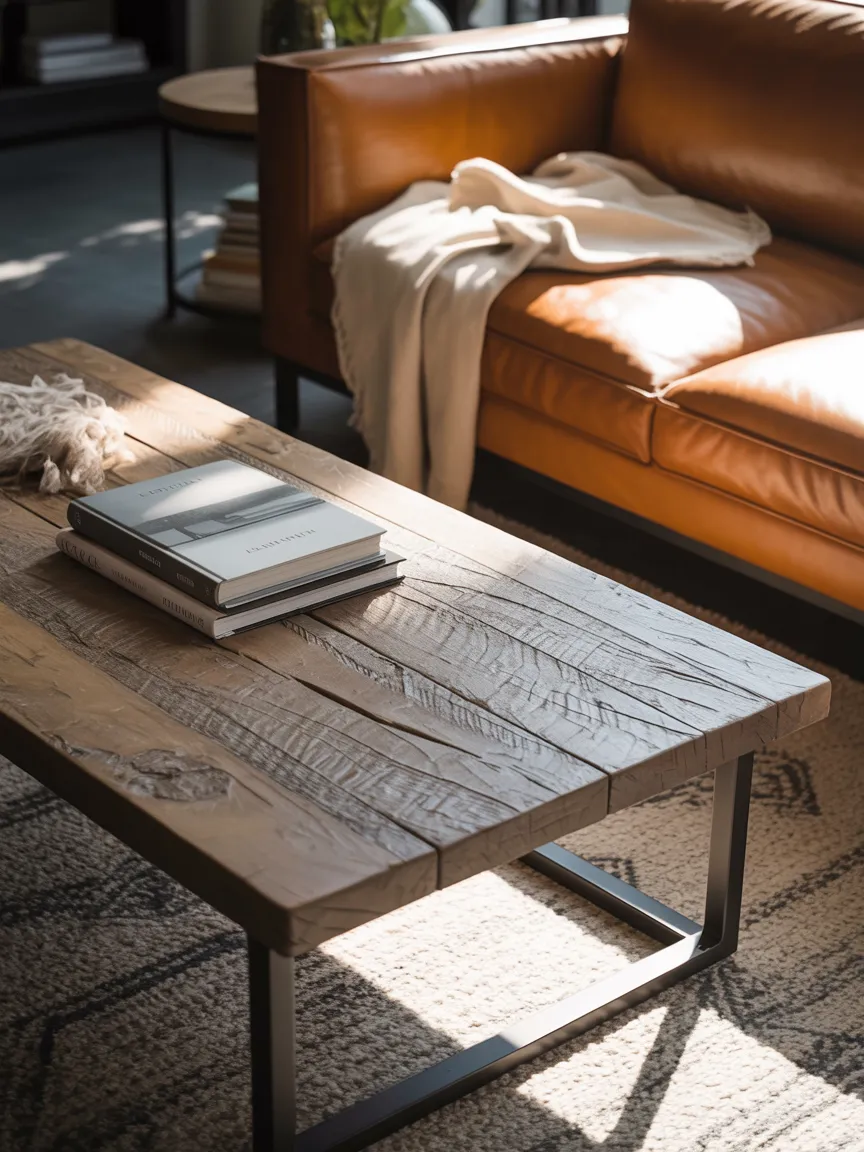
The combination of a distressed timber tabletop on slim black metal legs is the visual definition of modern farmhouse balance — rough meets refined. Look for tops with natural checking and a wire-brushed oak texture rather than a glossy finish. This piece works in almost any color scheme because it contains both warmth and industrial edge simultaneously.
10. Barn Wood Floating Media Console
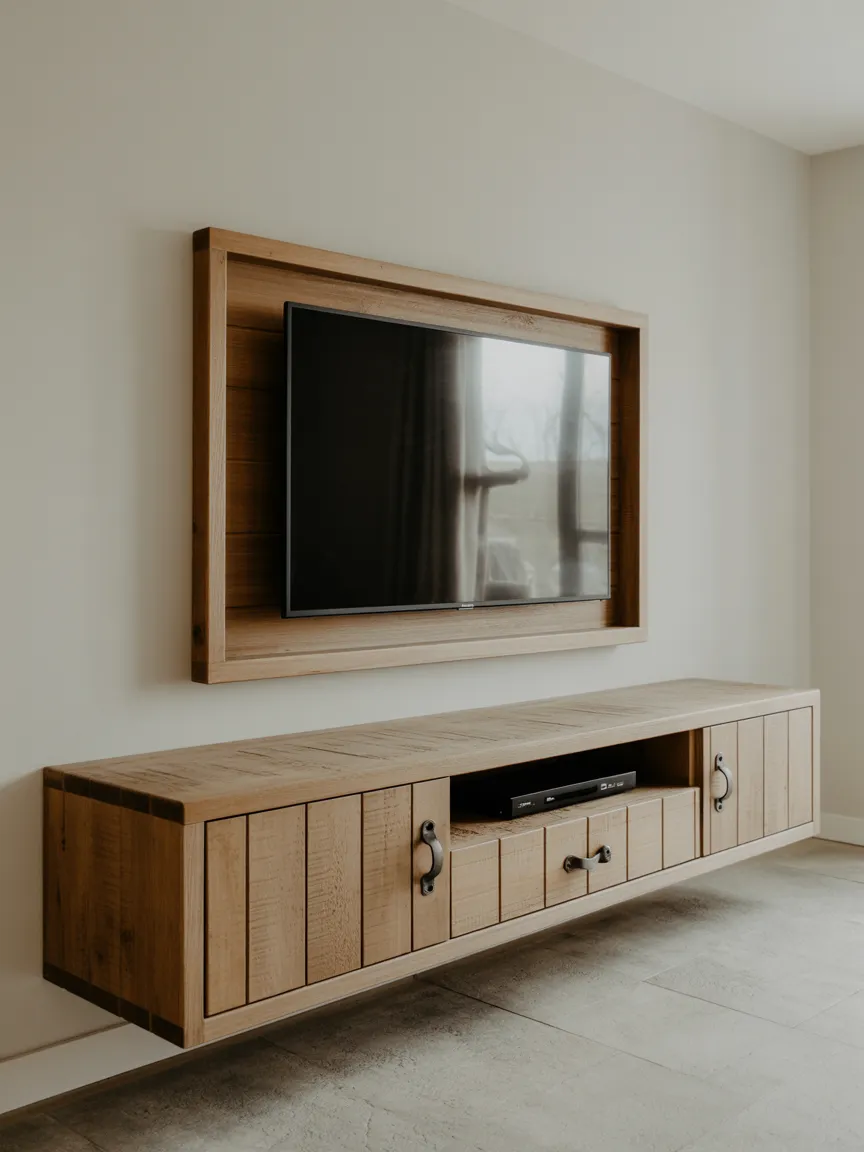
A floating media console built from barn wood planks keeps the floor visible, which makes any room feel larger, while adding serious rustic character. Keep the hardware minimal — simple black iron pulls or no hardware at all. The TV above it should be framed, not bare, so the technology does not fight the organic material below it.
Bedroom and Bathroom Ideas That Feel Spa-Like and Grounded
Wood in sleeping and bathing spaces creates a sensory calm that no paint color alone can replicate — here is how to use it well.
11. A Reclaimed Wood Headboard With Horizontal Planks

A headboard made from horizontal reclaimed planks in varying widths brings texture and warmth to a bedroom without requiring any other decor on that wall. For a modern farmhouse bedroom, pair it with carefully chosen bedroom color schemes in soft whites, warm greiges, or dusty sage. Seal the wood lightly so it does not snag on pillowcases — comfort and beauty are not mutually exclusive.
12. Unique Salvaged Barn Wood in a Master Bathroom Vanity
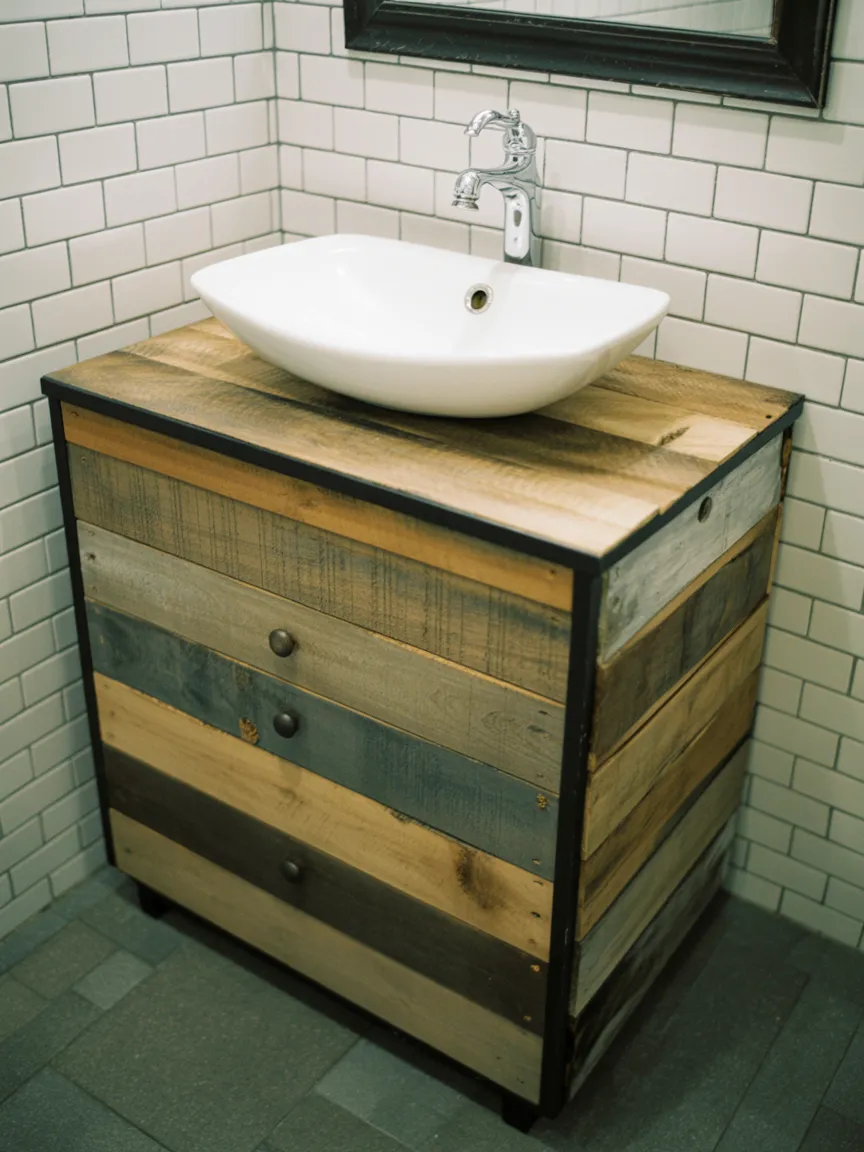
Unique ways to integrate salvaged barn wood into a master bathroom include using it as a vanity base wrapped in reclaimed planks with a vessel sink on top. This works beautifully against a white subway tile backdrop, especially in a sage green bathroom vanity context where the wood adds earthiness. Seal every surface with at least two coats of waterproof finish — bathrooms are unforgiving to untreated wood.
13. Raw Wood Architectural Features on Bathroom Ceilings
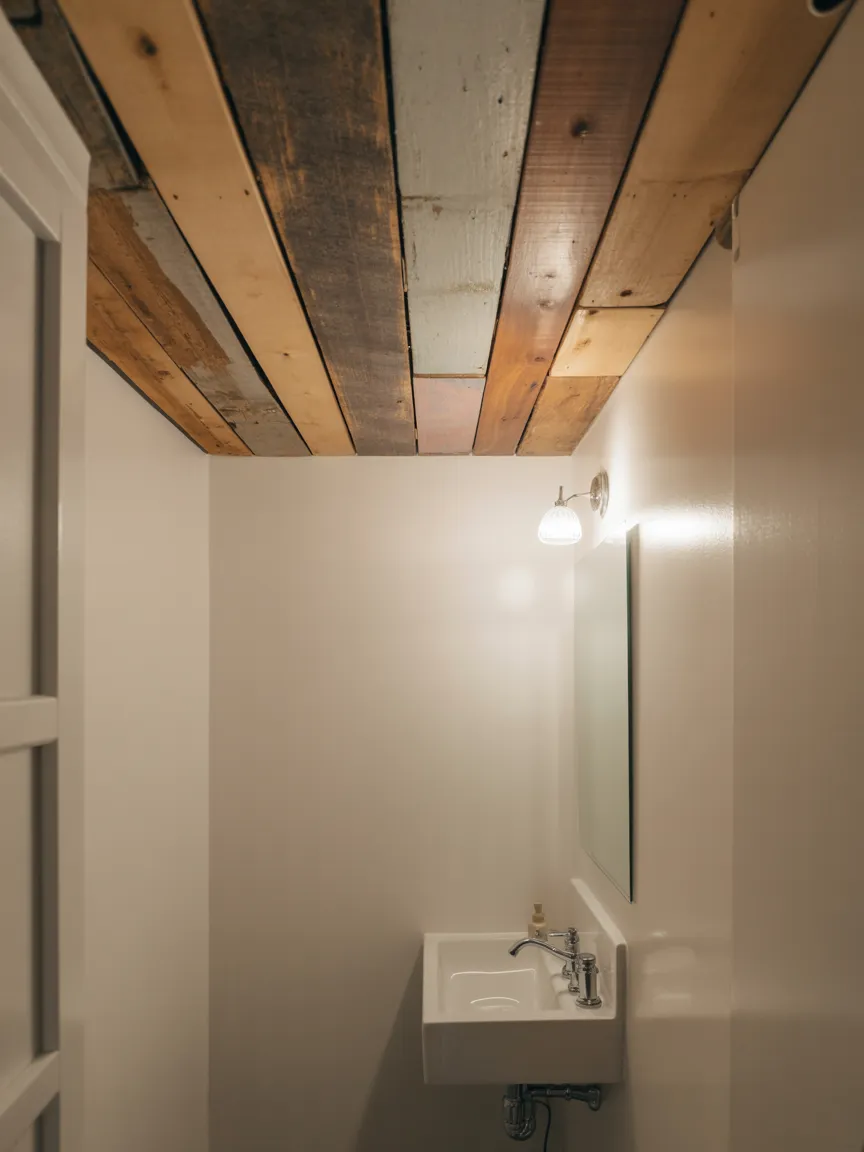
Installing reclaimed wood planks on a bathroom ceiling is unexpected and genuinely beautiful — it draws the eye up and makes a small room feel like a boutique hotel. Pair it with simple white walls and chrome fixtures so the ceiling does all the talking. This pairs naturally with ideas from bathroom ceiling panel inspiration if you want to see how different materials play together.
14. A Driftwood Mirror Frame Above the Bathroom Sink
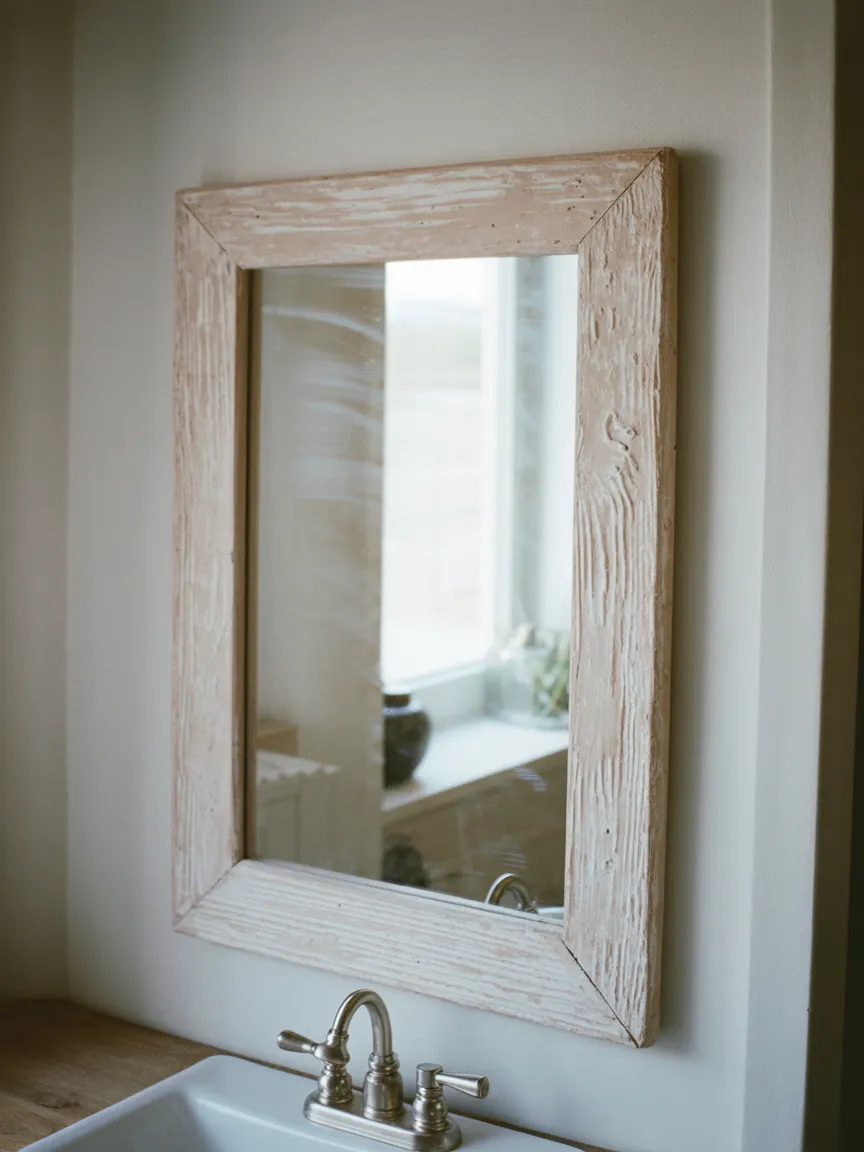
A mirror framed in natural driftwood or bleached reclaimed wood keeps a bathroom feeling light while still adding organic texture. The pale, weathered tones reflect light rather than absorbing it, which solves the darkness problem that darker wood creates in small rooms. This is one of the easiest aged wood accents to find ready-made at a reasonable price point.
15. Reclaimed Wood Floating Shelves in a Bathroom Niche
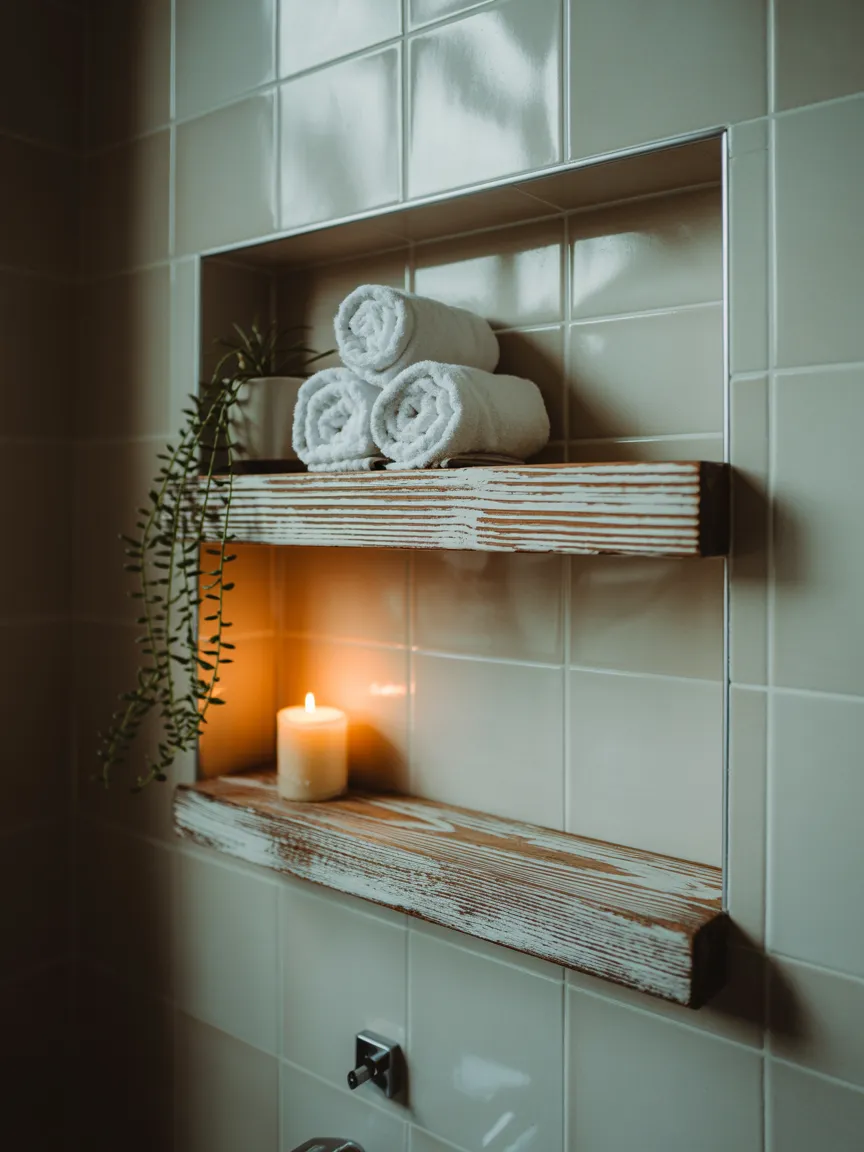
A small niche fitted with two or three reclaimed wood shelves turns dead wall space into a display moment — candles, folded towels, a single plant. Keep the wood lighter in tone here, like whitewashed pine or natural ash, so the niche reads as airy. The contrast between rough wood and smooth ceramic tile is the whole visual payoff.
What to Know Before You Go Further With Reclaimed Wood
Before you start pulling everything off your walls and ordering barn wood by the pallet, there are a few things worth knowing that most decor articles skip entirely. First, not all reclaimed wood is equal. Genuine salvaged timber from old barns, factories, or demolished buildings has a patina and density that new wood simply cannot replicate — but it also requires inspection for nails, rot, and pests before you bring it inside your home. Ask your supplier directly about their sourcing and treatment process, and if they cannot answer clearly, walk away.
Second, the question of how to faux age new pine wood for a rustic farmhouse look is completely valid if you cannot source the real thing or are working on a tight budget. A steel wool and vinegar solution applied to raw pine creates a genuine gray-brown patina in under an hour, and layering a dry-brush of watered-down gray paint over that deepens the effect beautifully. The key is working in thin layers and letting each one dry fully — impatience is what makes DIY aged wood look fake rather than authentic.
Entryway, Staircase, and Architectural Feature Ideas
These are the spaces where reclaimed wood makes the strongest first impression — use them strategically.
16. A Distressed Timber Ceiling Beam Across an Entryway
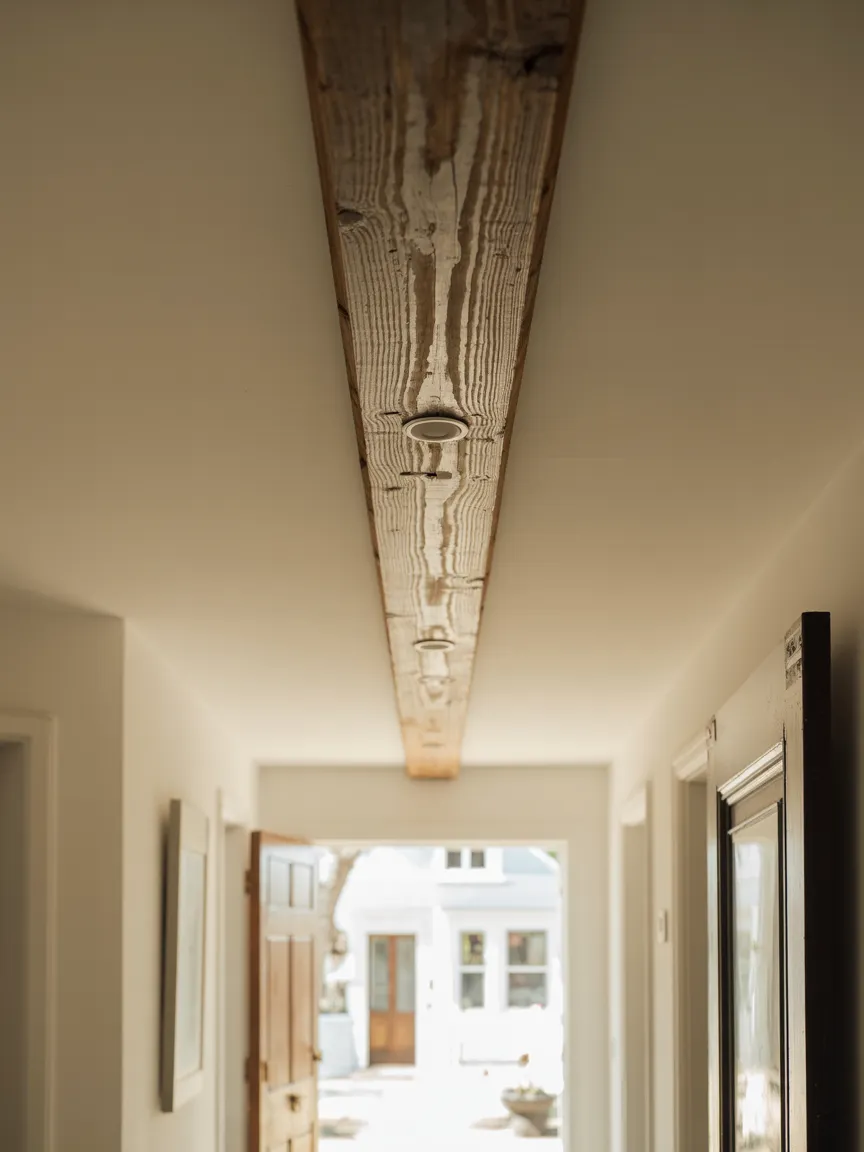
A single distressed timber ceiling beam running across an entryway hallway frames the space and signals the home’s character before guests even step fully inside. It does not need to be structural — a hollow box beam wrapped in reclaimed wood achieves the same visual effect for a fraction of the cost. Keep the ceiling white around it so the beam reads as an intentional feature, not an afterthought.
17. Building a DIY Weathered Wood Accent Focal Wall on a Budget
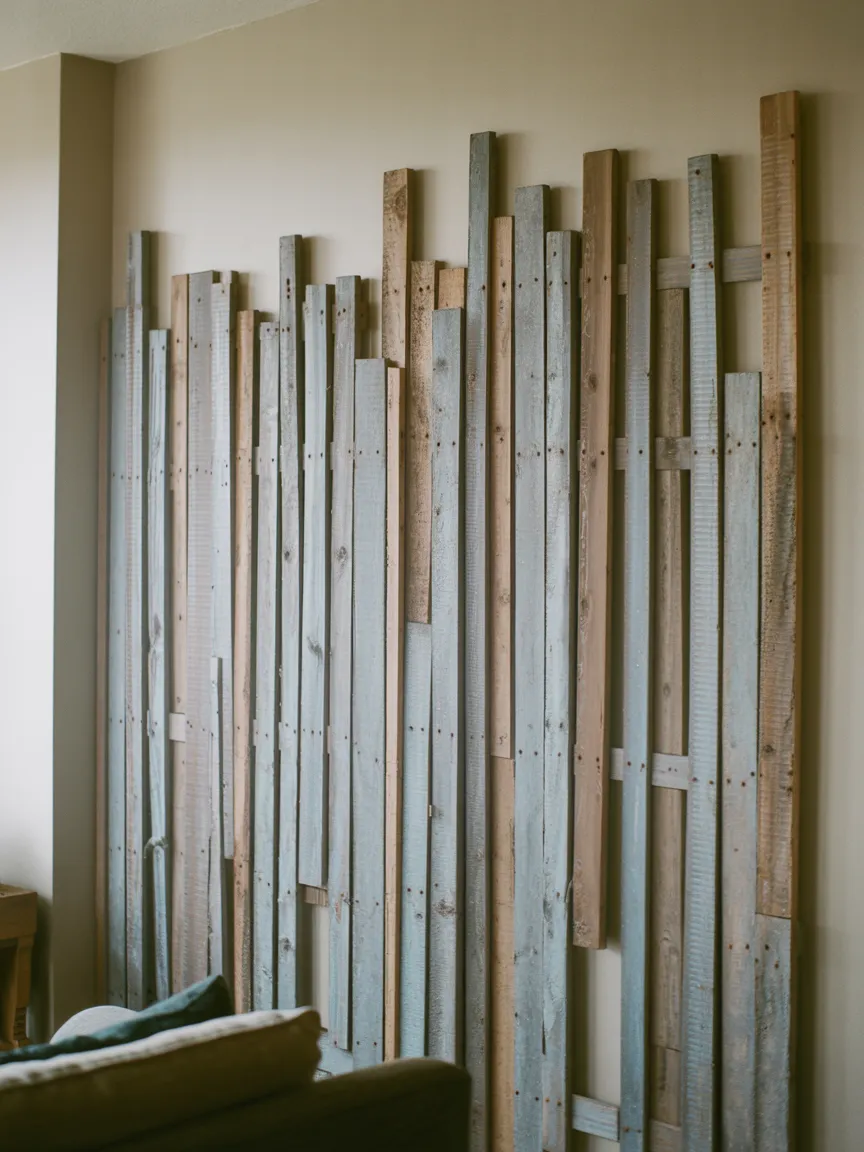
Building a DIY weathered wood accent focal wall on a budget is entirely achievable using fence pickets from the hardware store, aged with the steel wool and vinegar method before installation. Vary the plank widths slightly and install them with small random gaps for an authentic barn-wood feel. The total material cost for a standard accent wall often comes in under eighty dollars.
18. Reclaimed Wood Stair Treads Over Existing Steps
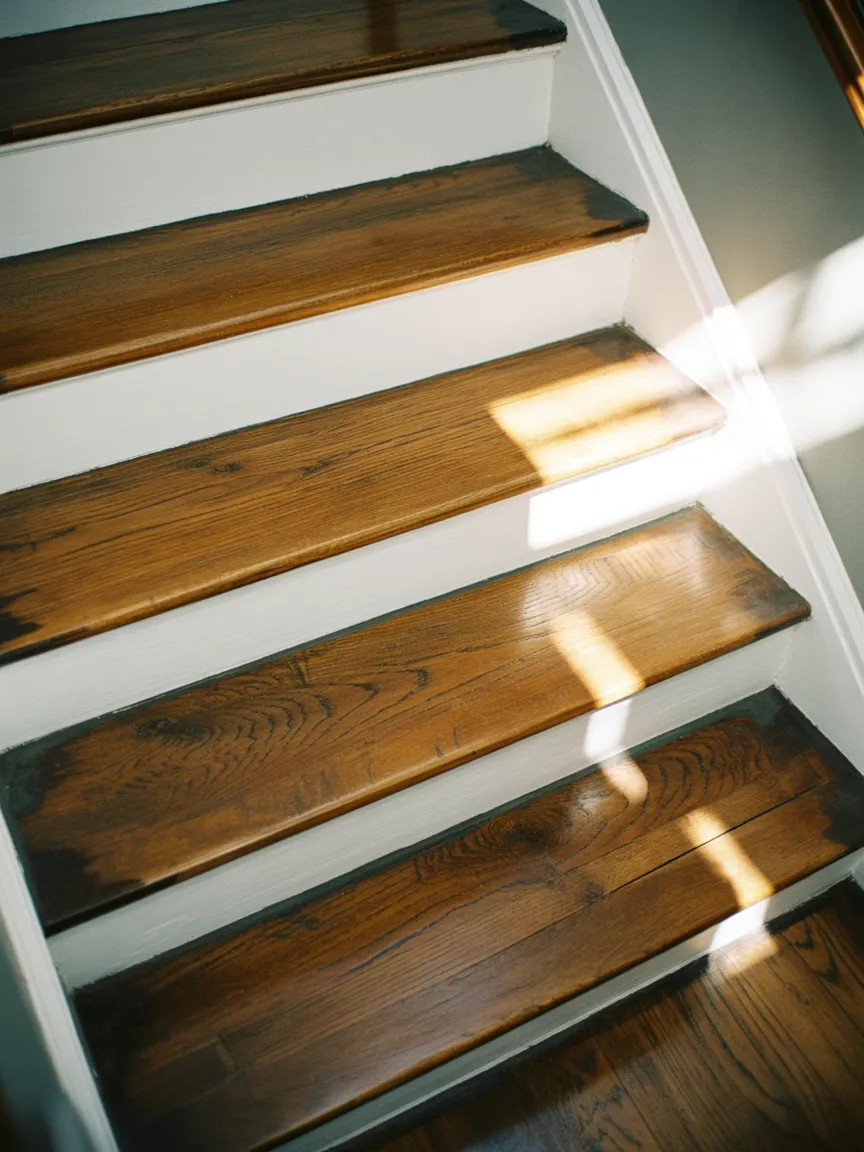
Laying reclaimed wood treads directly over existing carpeted or painted stairs is one of the most dramatic upgrades a home can receive for the effort involved. Use a thick, dense wood like reclaimed oak or heart pine that can handle daily foot traffic without denting. Sand the edges smooth — beauty should not come at the cost of a splinter at 6 a.m.
19. Raw Wood Architectural Features as a Front Door Surround
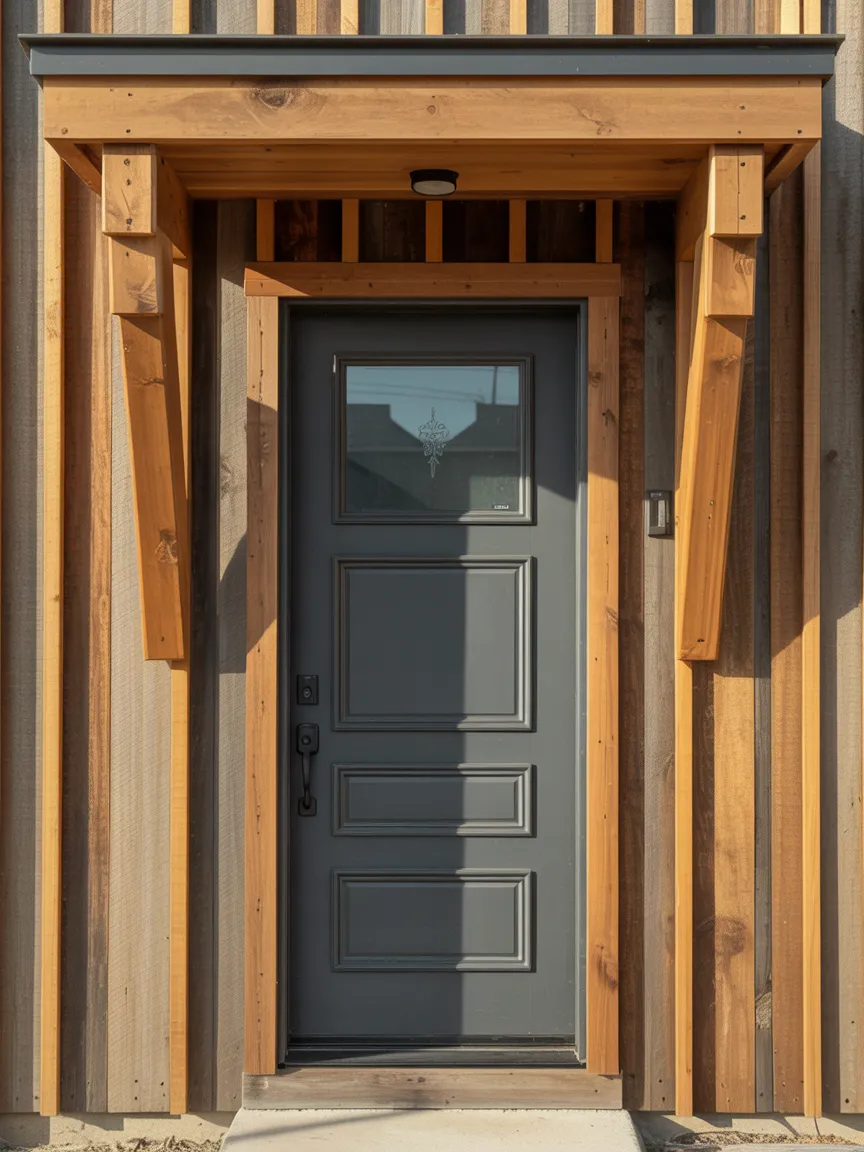
Framing a front door with raw wood architectural features — wide reclaimed planks on either side and a thick header beam above — creates a farmhouse entry that looks like it has always been there. This pairs naturally with front porch ideas that lean into natural materials and layered texture. Seal it with an exterior-grade finish to handle weather without losing that raw, honest look.
20. A Reclaimed Wood Newel Post at the Base of the Stairs
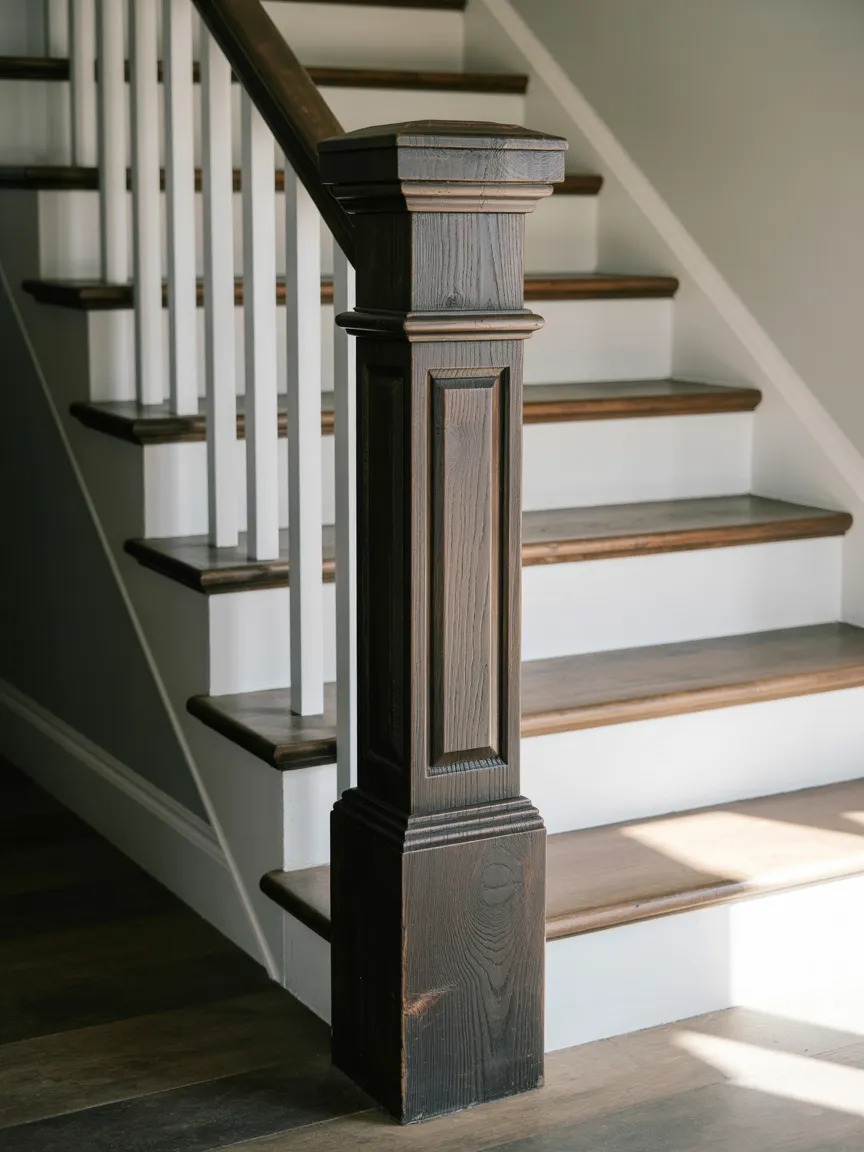
Swapping a standard painted newel post for a chunky reclaimed timber post is a small change with an outsized visual impact. A square-hewn post in dark walnut or weathered oak anchors the entire staircase and makes the whole home feel more architecturally considered. This is one of those details that makes people ask “who designed your house?” — and the answer can honestly be you.
Outdoor, Seasonal, and Garden-Inspired Reclaimed Wood Ideas
Aged wood does not stop at the back door — these ideas carry the aesthetic naturally into outdoor and transitional spaces.
21. Barn Wood Floating Shelves on a Covered Porch
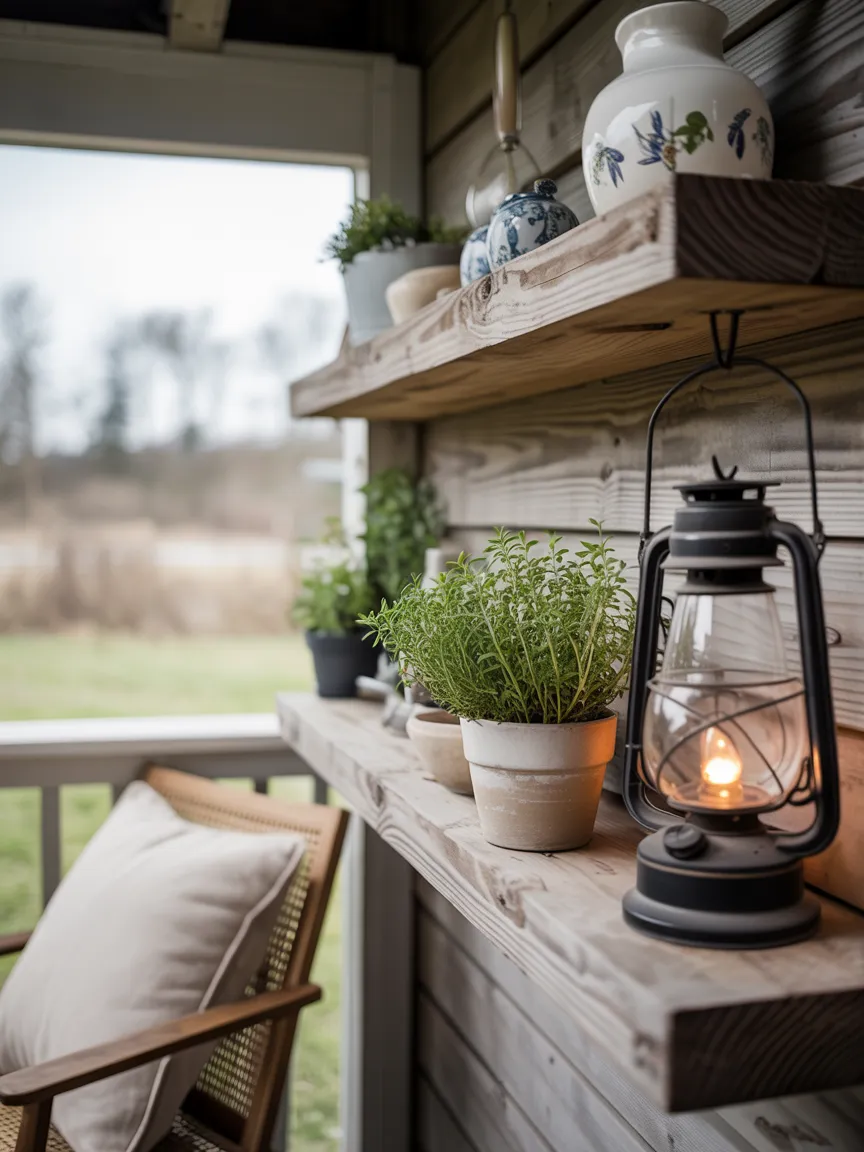
Barn wood floating shelves on a covered porch hold potted herbs, lanterns, and seasonal decor while anchoring the outdoor space with the same warmth as the interior. Use a weatherproof sealant specifically rated for exterior use, applied in at least three coats. The goal is for your porch to feel like an extension of your living room, not a different design universe.
22. A Reclaimed Wood Planter Box for the Garden
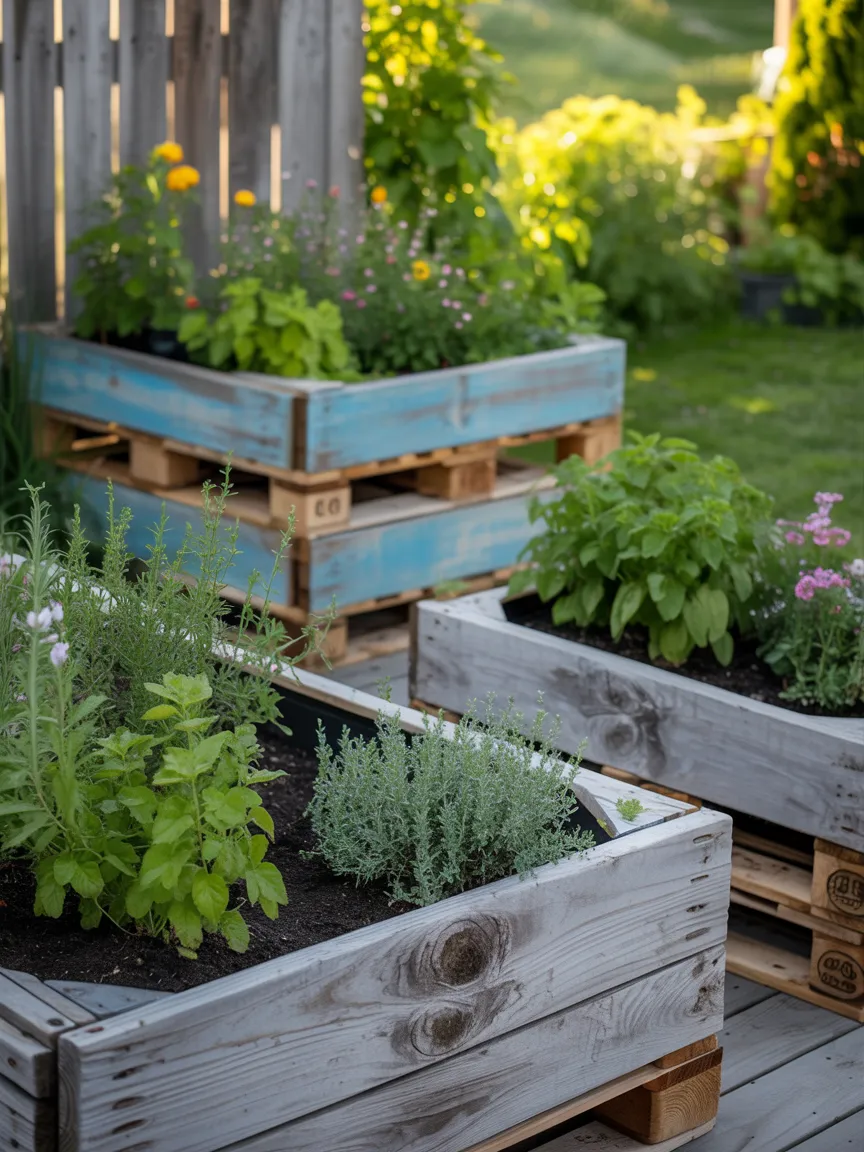
Building raised planter boxes from reclaimed fence boards or pallet wood gives a kitchen garden or patio instant character and a sense of history. Line the inside with landscape fabric before adding soil to extend the wood’s lifespan significantly. This idea works beautifully alongside creative garden decor DIY projects if you want to carry the theme further outdoors.
23. Weathered Wood Lantern Posts for a Garden Path

Simple posts made from weathered timber with lantern hooks attached create a garden path that feels like it belongs on a working farm — in the best possible way. Space them unevenly rather than perfectly for a more organic, lived-in look. Solar lanterns eliminate the wiring problem entirely and still look completely authentic at dusk.
24. A Reclaimed Wood Garden Bench With Iron Legs
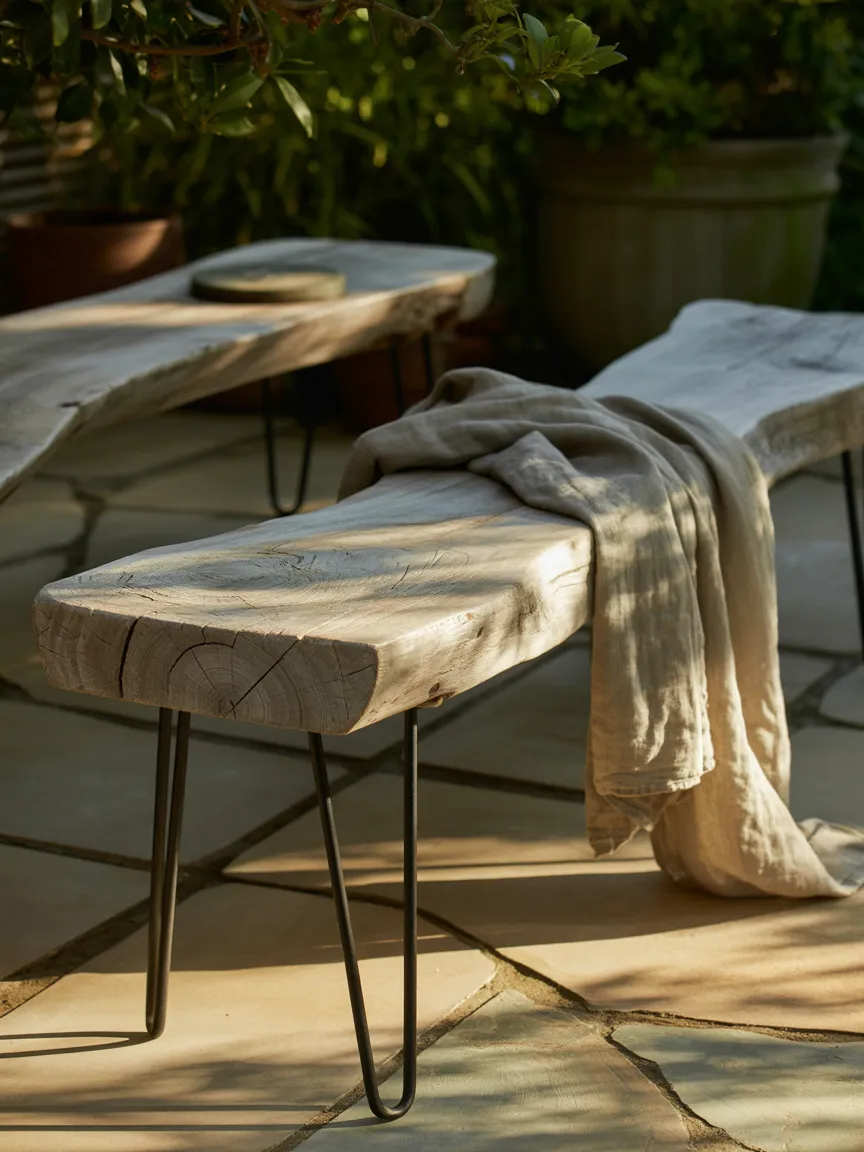
A thick reclaimed wood slab seat on simple iron legs is the outdoor version of that distressed coffee table — and it belongs on any porch, garden, or patio that takes itself seriously. Look for wood with natural silver-gray weathering rather than forcing a stain onto it. Pair it with ideas from boho garden patio ideas for a layered, collected-over-time outdoor aesthetic.
25. Vintage Garden Decor Using Reclaimed Wood Signage
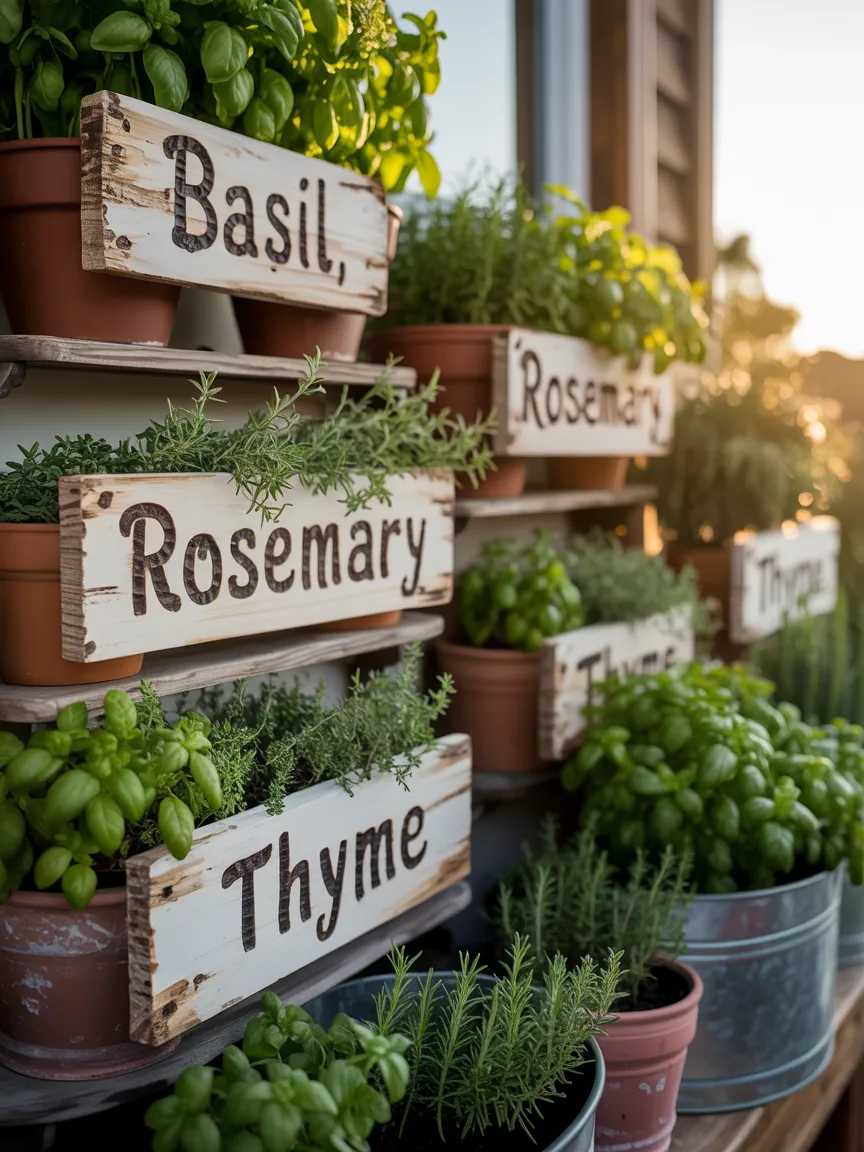
Hand-lettered reclaimed wood signs — herb names, family names, simple phrases — add personal warmth to a garden or porch without any real design skill required. Use a wood-burning tool for lettering that will not fade in sunlight the way paint does. This idea fits naturally within a broader vintage garden decor approach that values imperfection and authenticity over perfection.
Seasonal Styling and Final Accent Ideas
These last five ideas are about using aged wood as a styling tool — flexible, seasonal, and deeply personal.
26. Mixing Dark Aged Wood Tones With Light Modern Farmhouse Cabinets
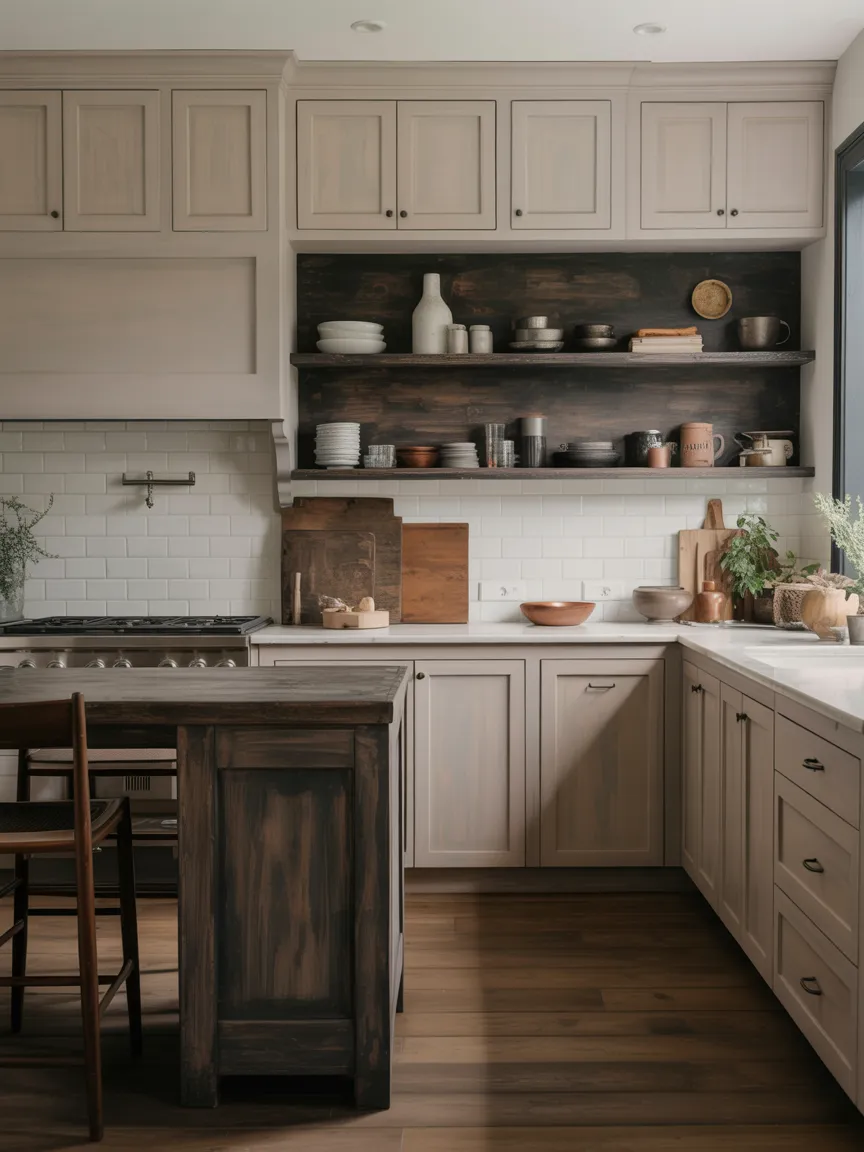
Mixing dark aged wood tones with light modern farmhouse cabinets is one of the most sophisticated moves in this entire aesthetic — the contrast creates depth that all-white kitchens desperately lack. Use the dark wood on open shelving or a single island, keeping the perimeter cabinets light. The ratio should be roughly 70% light to 30% dark wood for balance rather than drama.
27. A Reclaimed Wood Christmas Vignette on the Mantel
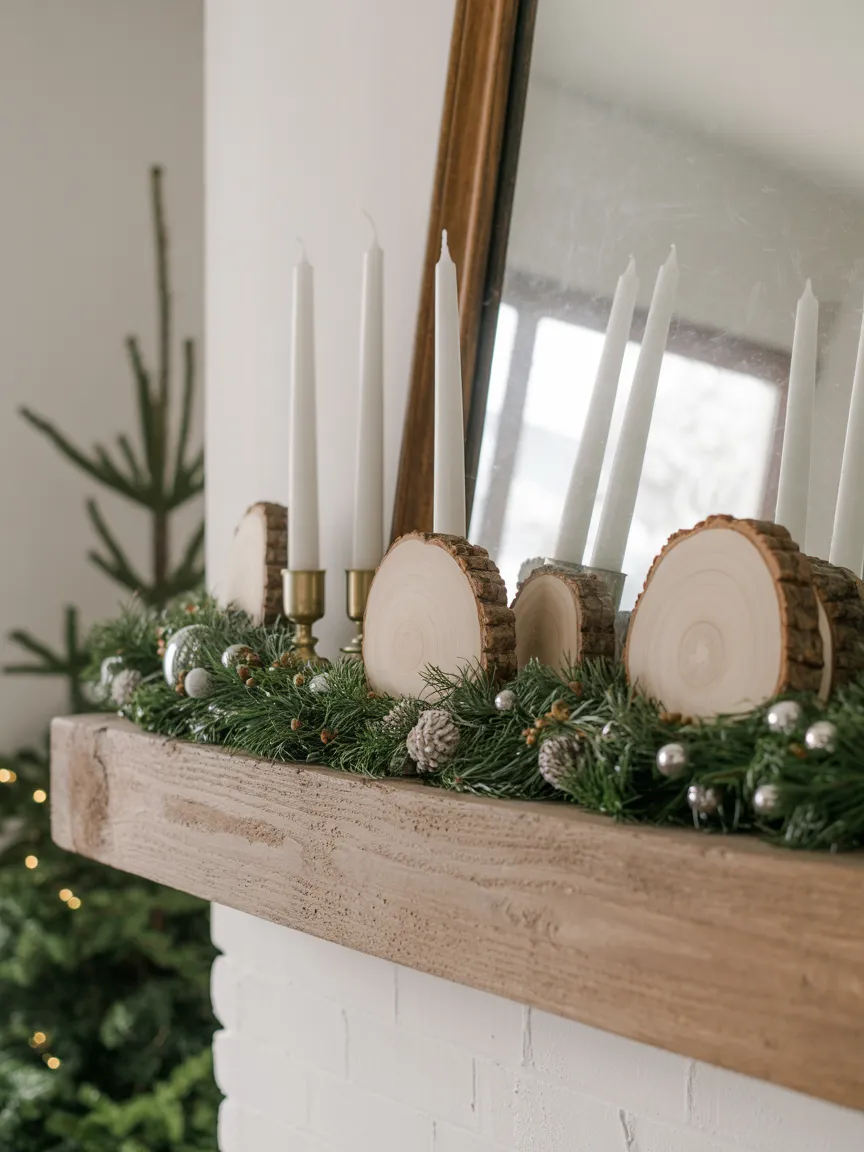
During the holidays, a hand-hewn mantel beam styled with greenery, white candles, and raw wood slice ornaments is the most quietly beautiful version of Christmas decor possible. The wood’s natural texture makes everything around it look more considered and intentional. Pair this approach with Christmas kitchen decor ideas that carry the organic, warm palette through the whole home.
28. A Fall Bedroom Styled Around a Reclaimed Wood Accent
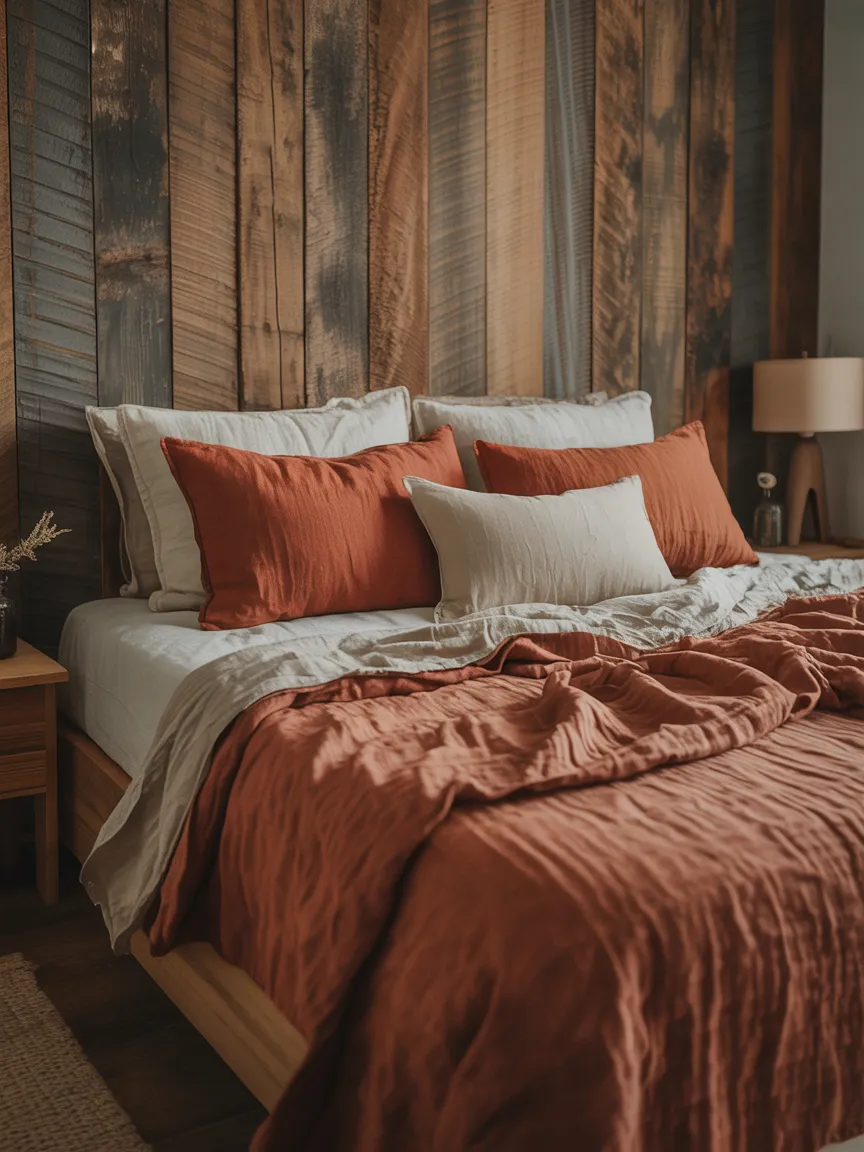
In autumn, a reclaimed wood headboard or accent wall becomes even more powerful when paired with warm textiles in rust, ochre, and deep cream. The wood’s existing warm undertones amplify seasonal color naturally without requiring a single additional purchase. For full seasonal bedroom styling inspo, the cozy fall bedroom aesthetics guide is genuinely worth bookmarking.
29. DIY Aged Wood Projects — A Reclaimed Frame Gallery Wall
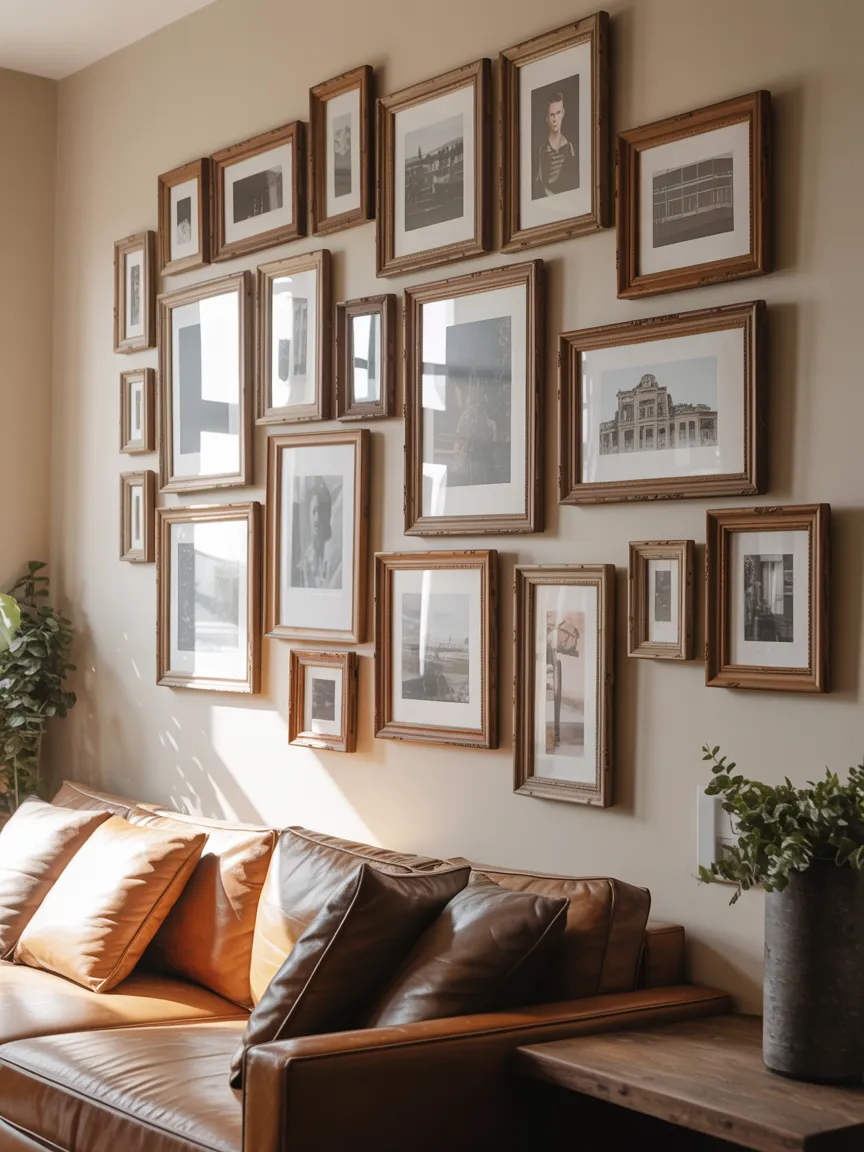
Building a gallery wall using frames made from aged wood offcuts — all in the same tone but different sizes — creates a cohesive display that feels curated rather than random. Sand the cut edges smooth and apply a single coat of matte polyurethane clear coat to unify the finish across different wood sources. Hang them with a mix of orientations — some portrait, some landscape — to keep the eye moving.
30. Reclaimed Wood Exterior Accent Panels
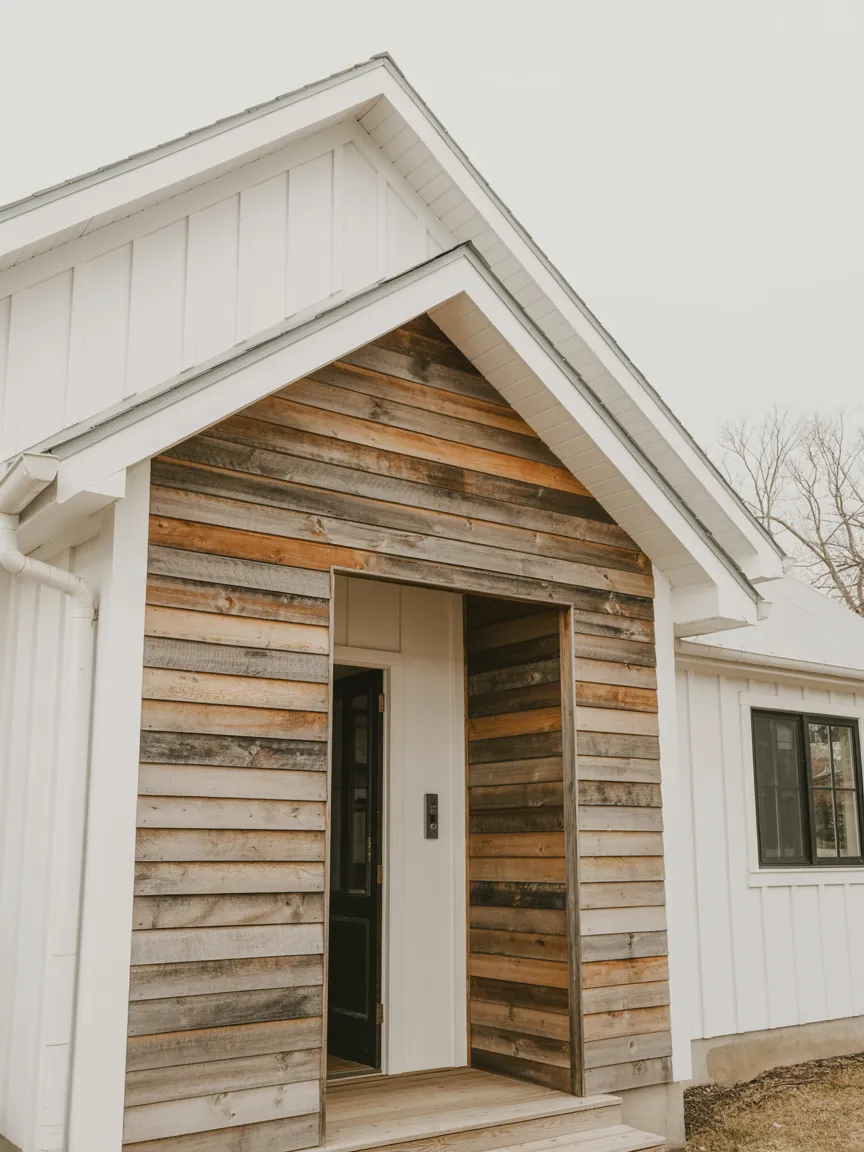
Using reclaimed wood as exterior accent panels on a home’s facade — around a garage door, beneath a gable, or flanking a front entry — brings the farmhouse aesthetic full circle from inside to outside. Use only wood that has been properly treated for exterior exposure and check local building codes before installation. For broader exterior inspiration that pairs beautifully with this idea, exterior wall design ideas will give you a strong visual framework to work within.
Your Practical Guide to Getting Started With Reclaimed Wood Decor
If you feel overwhelmed by thirty ideas staring back at you, start with one room and one surface — the kitchen shelf or the living room mantel. Pick the space you spend the most time in and the spot where you already notice something is missing. One well-chosen aged wood accent done right is worth more than six half-committed ones scattered around the house.
If you are renting and cannot drill into walls, you still have real options. Leaning a large live-edge slab against a wall, placing vintage dough bowls and antique cutting boards on countertops, and swapping cabinet hardware for iron pieces all add reclaimed character without a single hole in the drywall. Landlords tend to appreciate tenants who make spaces look better, not worse — but keep receipts either way.
Budget is almost never the real barrier here. Architectural salvage yards, Facebook Marketplace, estate sales, and even construction site dumpsters — with permission — are legitimate and often free sources of genuine reclaimed wood. The one place I would not cut corners is sealant. Cheap sealant on a beautiful piece of wood is the fastest way to ruin both the look and the longevity of your investment.
The mistake beginners make most consistently is buying wood that is too dark for their space without testing it first. Always bring a small sample piece home and live with it for 48 hours in your actual lighting before committing. What looks warm and rich in a salvage yard can look oppressive under your specific ceiling height and window placement.
Making it look intentional rather than random comes down to repetition and restraint. Choose one wood tone as your dominant — say, a medium warm brown — and let everything else be lighter or darker by only one or two shades. Repeat that tone in at least three places in a room so it reads as a design decision, not an accident. Pick one element today — a dough bowl, a shelf bracket, a single plank frame — and put it somewhere you will see it every morning. That is genuinely all it takes to start, and honestly, the starting is the hardest part.


