
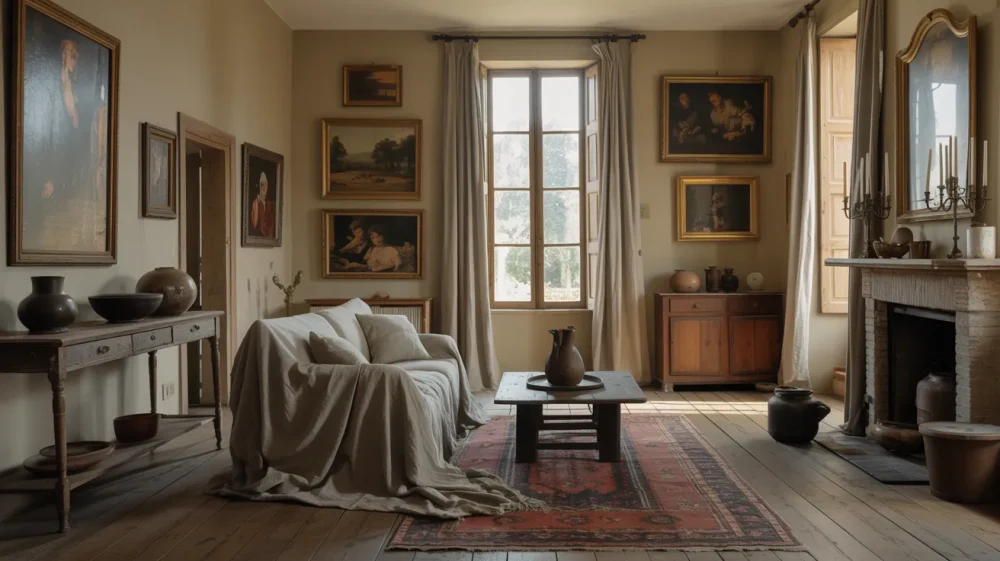
25 Elegant European Farmhouse Secrets to Achieve a Curated Timeless Aesthetic
You walk into a room and something about it just settles you. The walls are soft and worn-looking, the light hits a linen curtain just right, and there is a cracked ceramic jug on the counter that somehow looks more expensive than anything you have ever bought new. That feeling — that quiet, unhurried elegance — is exactly what the european farmhouse aesthetic delivers, and it has been living rent-free in your head for months now.
I have been there. Standing in my own living room surrounded by perfectly fine furniture that felt completely soulless, scrolling through images of French stone kitchens and Belgian linen sofas, wondering if this look was only possible with a renovation budget and a passport. It is not. After years of slowly building this style into my own home — mostly through thrift stores, paint, and a few very specific hardware swaps — I can tell you that the secrets are more accessible than any Pinterest board would have you believe. Read on, because the details here are the ones nobody bothers to explain.
The Mistake That Cost Me Six Months of Progress
My biggest early blunder was buying everything neutral and calling it done. I filled my space with greige walls, a beige sofa, a cream rug — and it looked like a waiting room, not a curated farmhouse living room. I thought neutral meant safe, and safe meant European. It does not. The european farmhouse aesthetic is neutral in tone but never flat in texture. Every surface has to earn its place through material, age, or patina.
The single biggest lesson: layering texture is more important than matching color. Once I introduced a tumbled limestone tray, a slightly rough linen throw, and a small antique oil painting with a gilded frame, the whole room shifted. It stopped looking assembled and started looking accumulated — like it had been loved for decades. That shift costs almost nothing if you know where to look, and the rest of this article is exactly that roadmap.
Building Your European Farmhouse Foundation: Walls, Floors, and Architecture
These are the bones of the look — get them right and everything else layers on naturally.
1. The Limewash Wall That Does All the Heavy Lifting
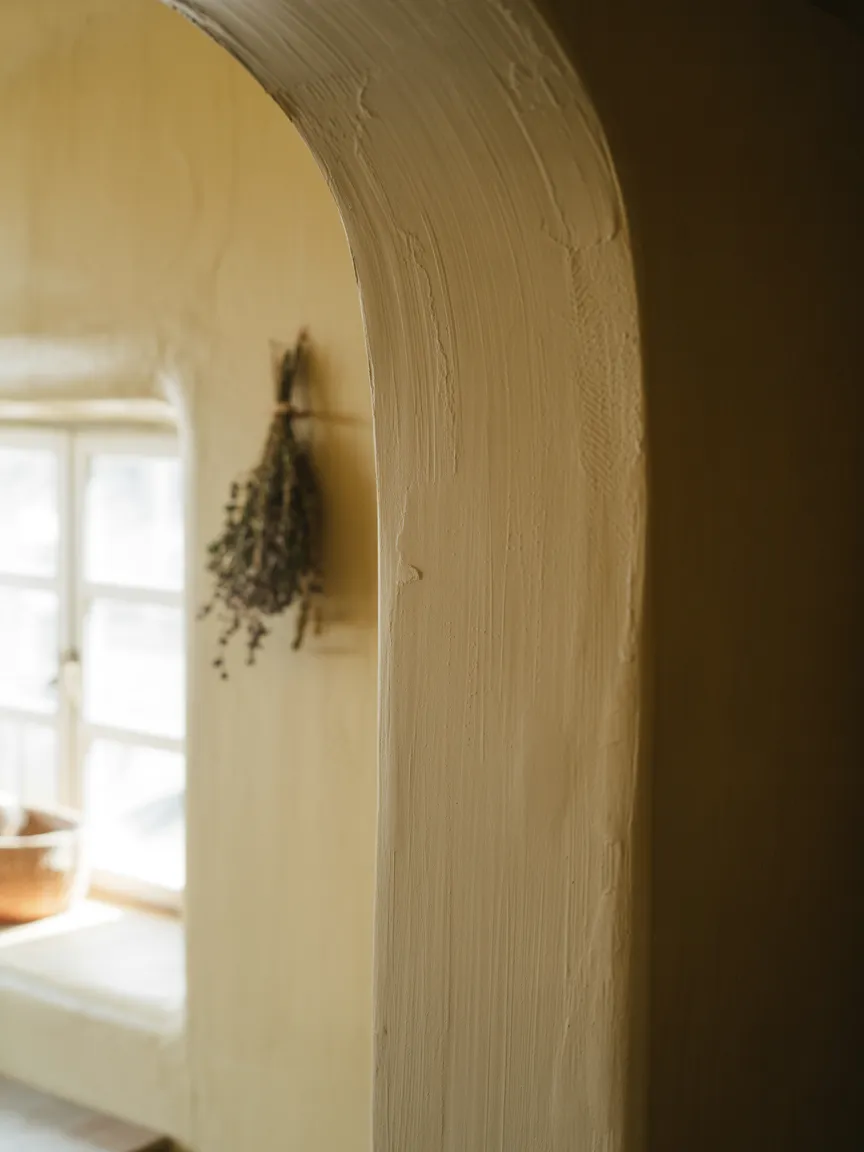
Limewashed brick accents or limewash paint on a single wall creates the kind of aged, chalky depth that drywall alone never achieves. Apply Portola Paints’ Roman Clay in a shade like “Worn Leather” or “Aged Linen” with a wide brush in overlapping strokes for that authentic variation. This is the single fastest architectural upgrade you can make without touching a contractor.
2. Tumbled Limestone Floors — or the Illusion of Them
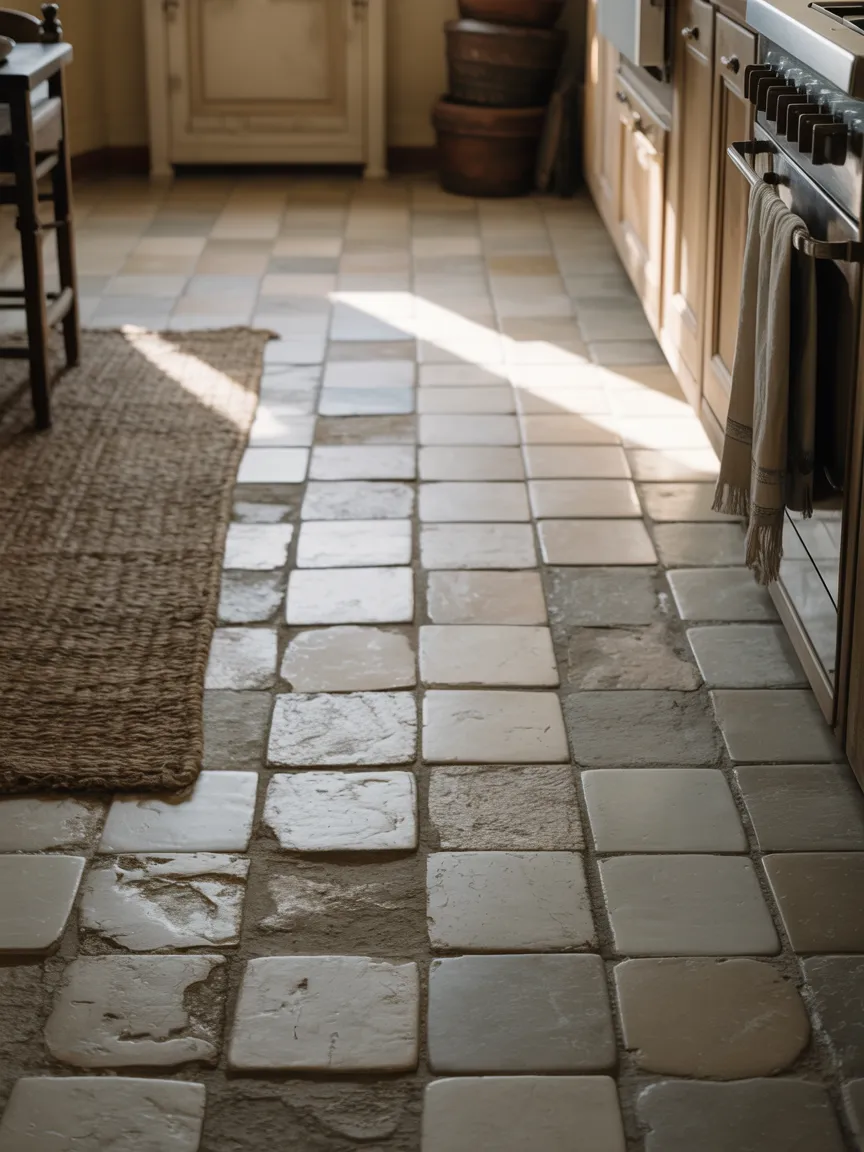
Tumbled limestone floors anchor the entire old world farmhouse decor palette with their soft, uneven surface and warm ivory tones. If real stone is out of budget, Shaw’s “Classico” porcelain tile in a 12×24 format mimics the look convincingly for under four dollars per square foot. Never choose a tile with too much pattern variation — the beauty is in the subtle, quiet irregularity.
3. Exposed Raw Wood Headers Above Doorways
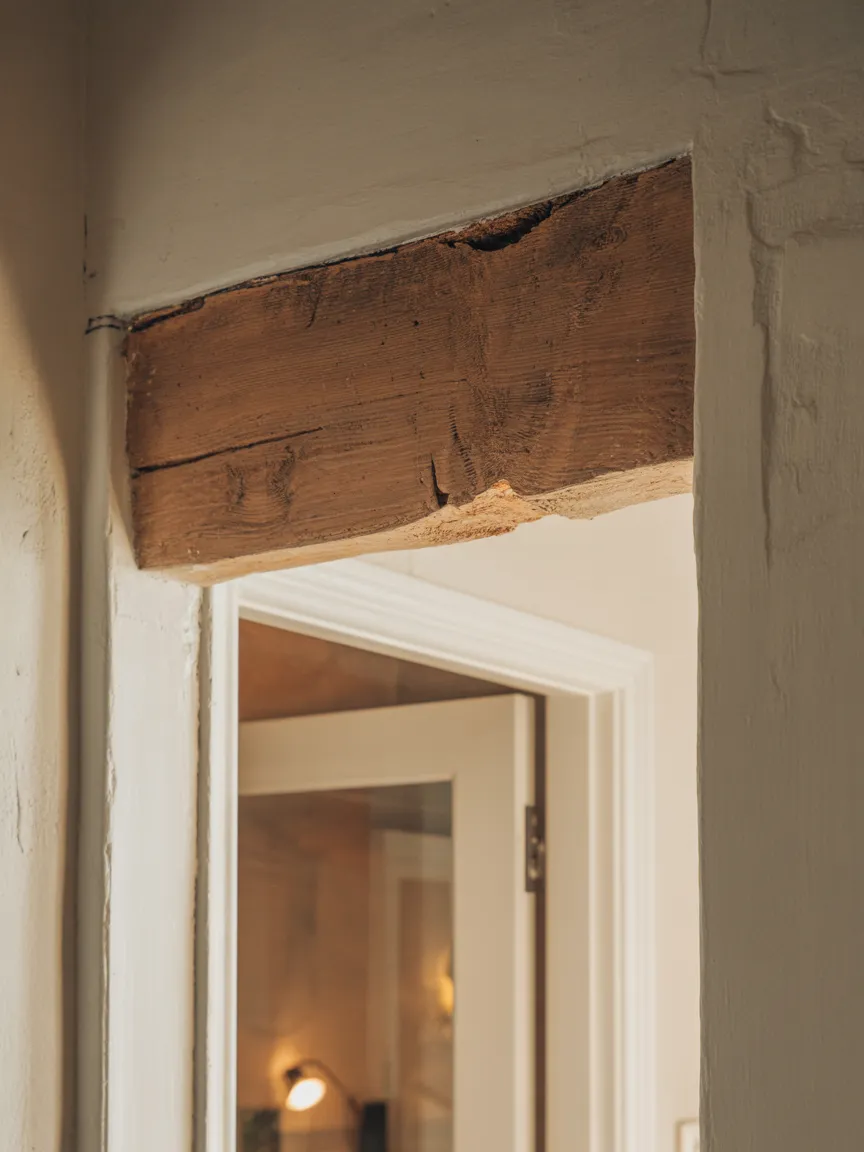
Exposed raw wood headers — those thick, rough-hewn beams placed above interior doorways — signal old European construction in a way that feels genuinely architectural. Source reclaimed oak or pine from a salvage yard and mount them flush against the wall above door frames using heavy-duty construction adhesive and a few discreet screws. This detail costs under sixty dollars per doorway and reads as a full renovation.
4. Unlacquered Brass Hardware on Every Cabinet
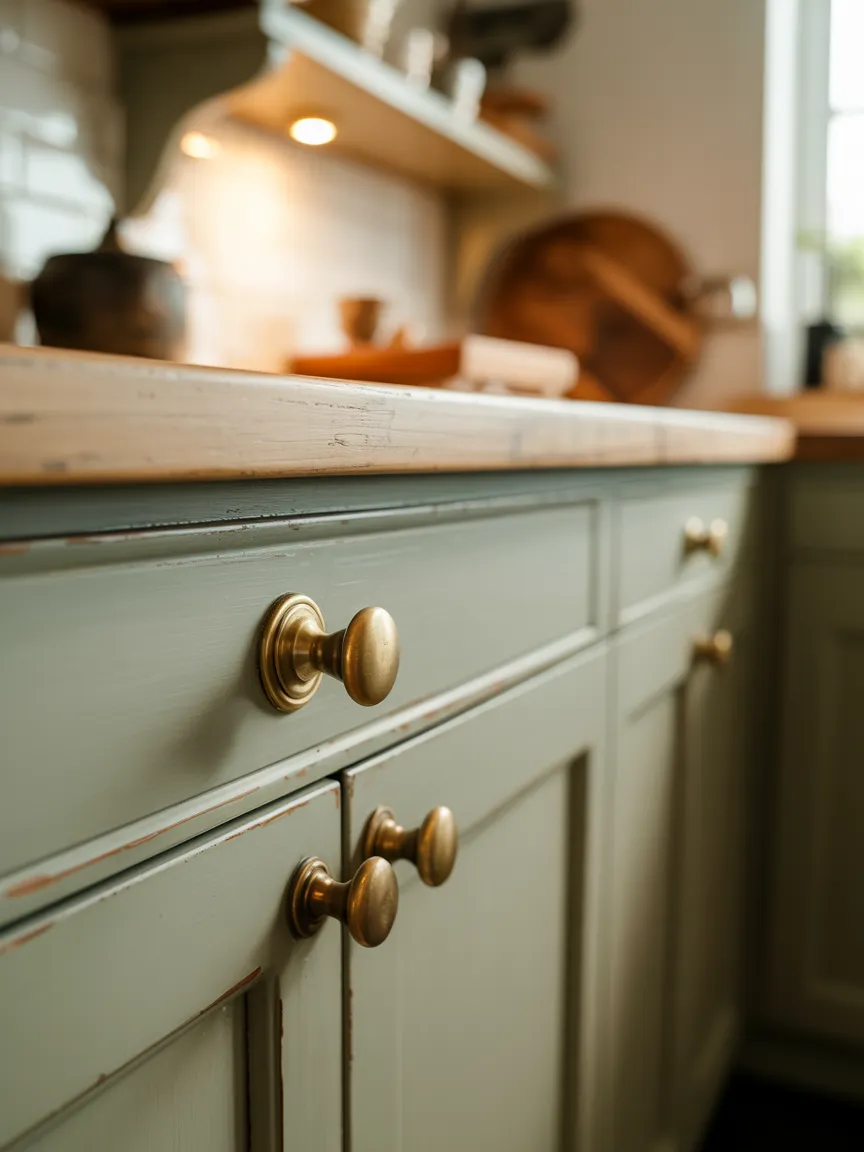
Unlacquered brass hardware is the quiet workhorse of the european farmhouse aesthetic — it starts golden and slowly develops a warm, lived-in patina that no factory finish can replicate. Replace builder-grade pulls with unlacquered solid brass from Rejuvenation or Etsy sellers like House of Antique Hardware. Do not seal or polish it — the tarnish is the entire point.
French Country Farmhouse Ideas for the Kitchen and Dining Room
The kitchen is where this aesthetic truly lives — and these ideas work even in the most standard builder-grade space.
5. Open Shelving Styled With Vintage Stoneware Crocks
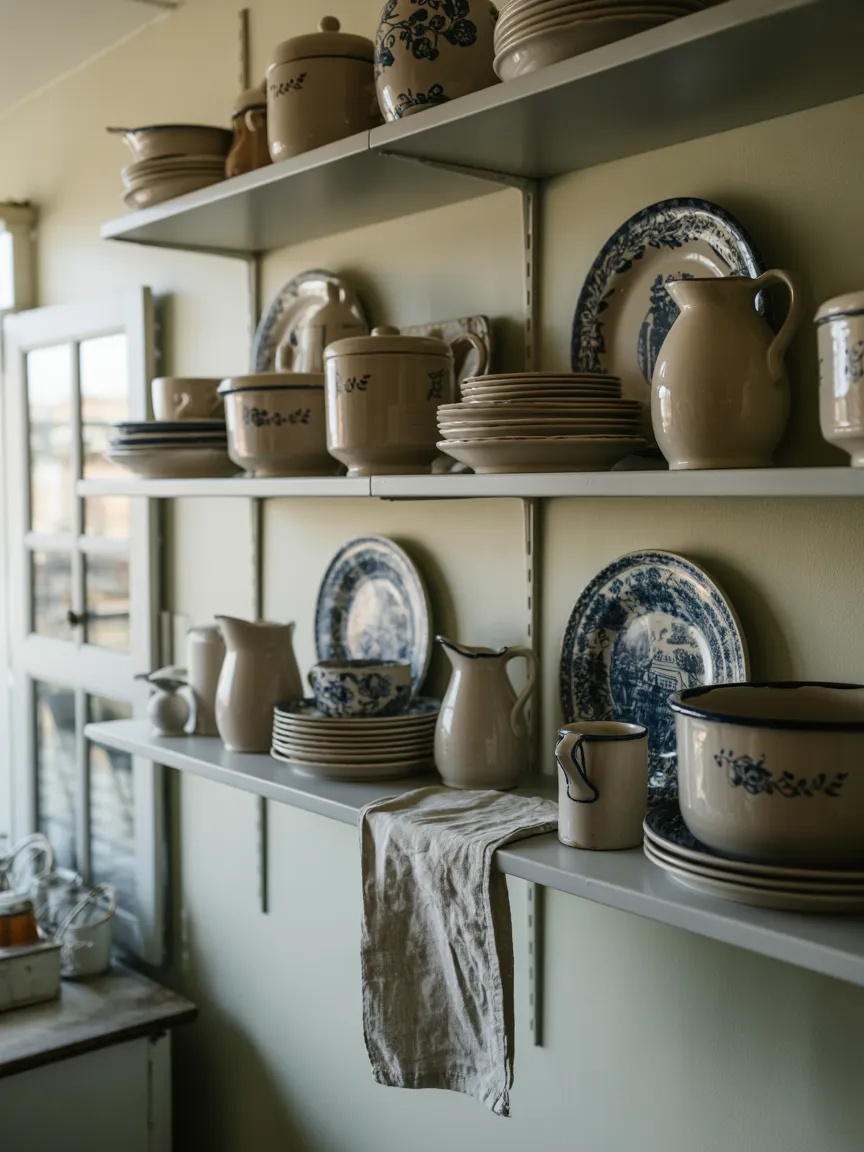
Replacing one upper cabinet run with open shelving and filling it with vintage stoneware crocks, ironstone pitchers, and mismatched transferware plates creates the layered, collected look of a French country farmhouse kitchen. Shop estate sales and Goodwill specifically for blue-and-white transferware and salt-glazed stoneware — they are almost always underpriced. For more inspiring farmhouse kitchen design ideas, the combinations possible even in small spaces will surprise you.
6. A Worn Zinc or Marble Slab as a Prep Surface
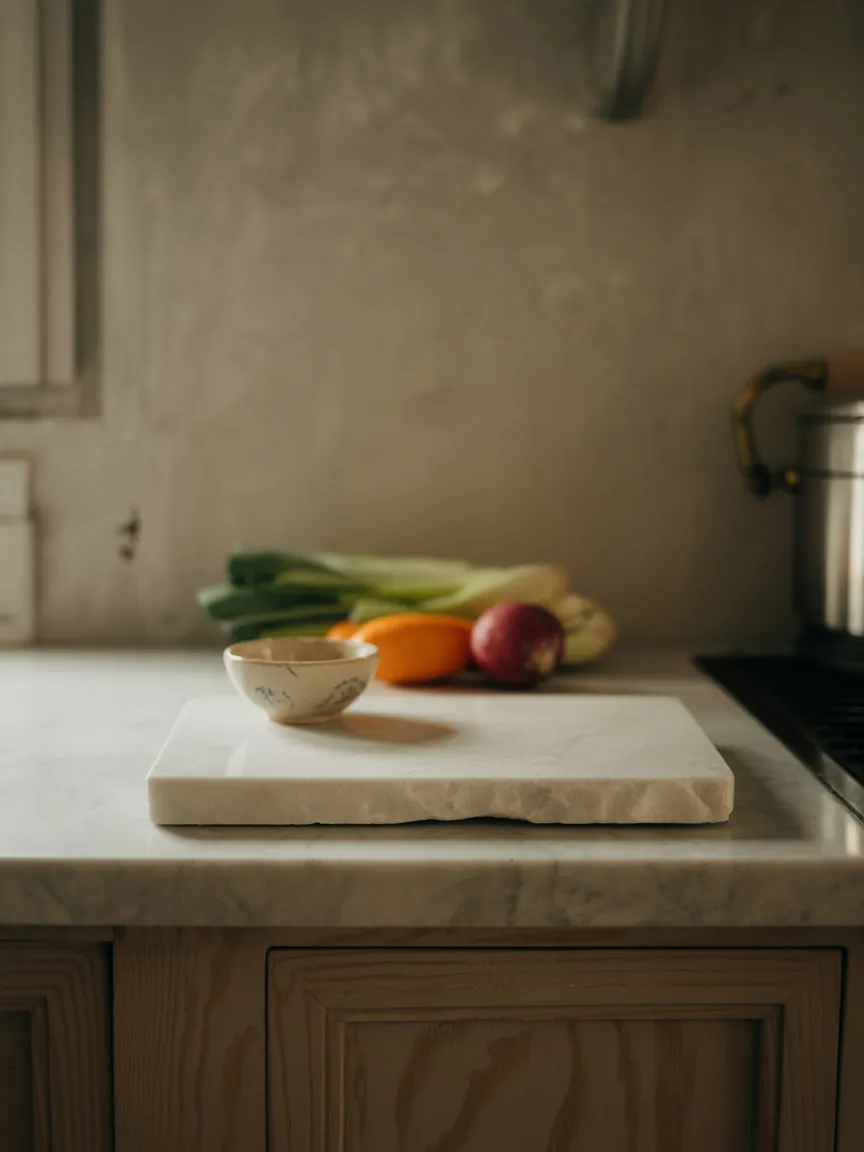
A small zinc or honed Carrara marble slab placed on the counter as a permanent prep surface adds old-world material contrast against painted cabinets. Look for remnant pieces at stone yards — a 24×36 inch honed marble remnant often costs under eighty dollars. Honed, not polished — the matte surface is what reads as European rather than American luxury.
7. Black Countertops With White Cabinets for a Belgian Farmhouse Edge
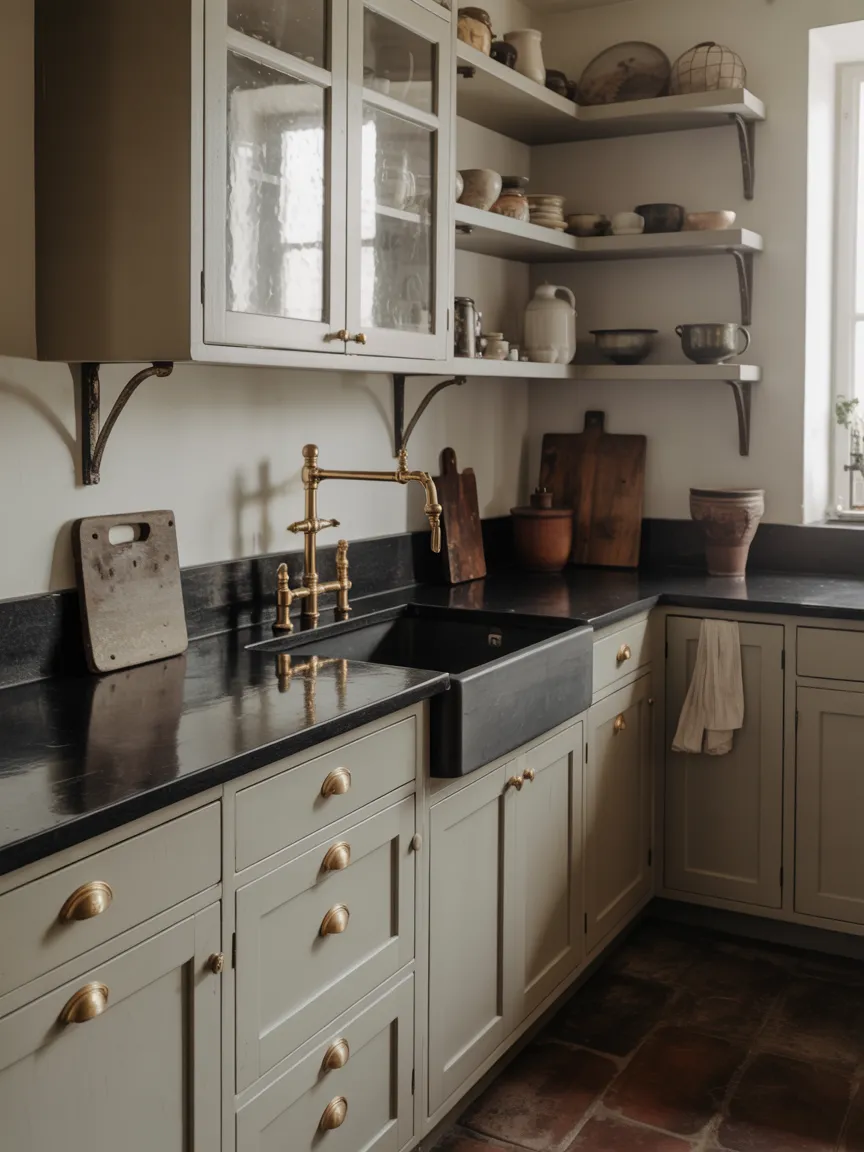
The pairing of matte black countertops with soft white or greige cabinets is a distinctly Belgian and northern European farmhouse signature that feels both dramatic and grounded. Leathered black granite or honed soapstone delivers this look with genuine material depth. If you are exploring this specific direction, the ideas around kitchen black countertops and white cabinets go deep on how to balance the contrast without it feeling stark.
8. A Farmhouse Sink With a Slightly Imperfect Apron
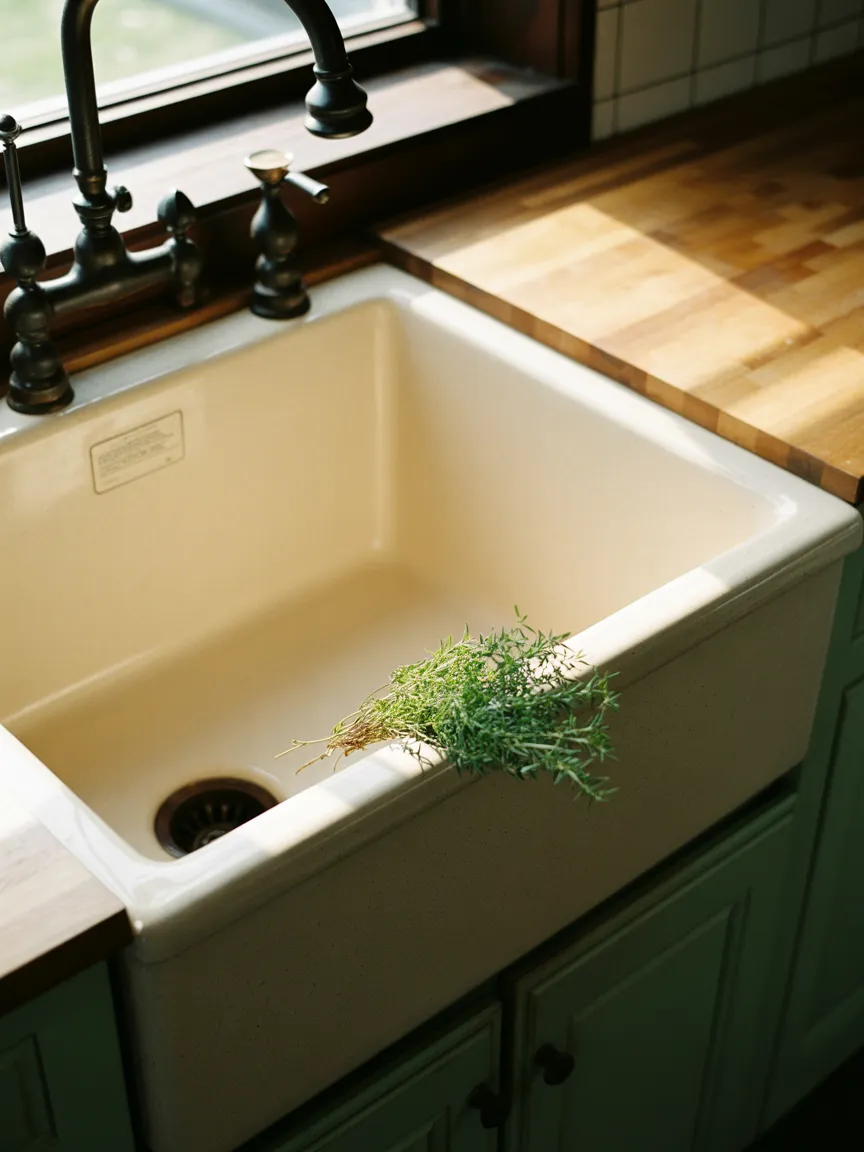
A fireclay apron-front sink in a slightly off-white — not bright white — grounds the kitchen in the french country farmhouse tradition of functional, beautiful objects. Brands like Rohl and Kohler offer fireclay options under eight hundred dollars that develop small crazing lines over time, which only adds to the authenticity. Avoid the perfectly smooth porcelain versions — the slight texture variation is what separates European from American farmhouse sink styling.
Neutral European Interior Design for Living Rooms and Bedrooms
Neutral does not mean boring — these ideas prove that restraint is its own kind of luxury.
9. Belgian Linen Drapery Pooled on the Floor
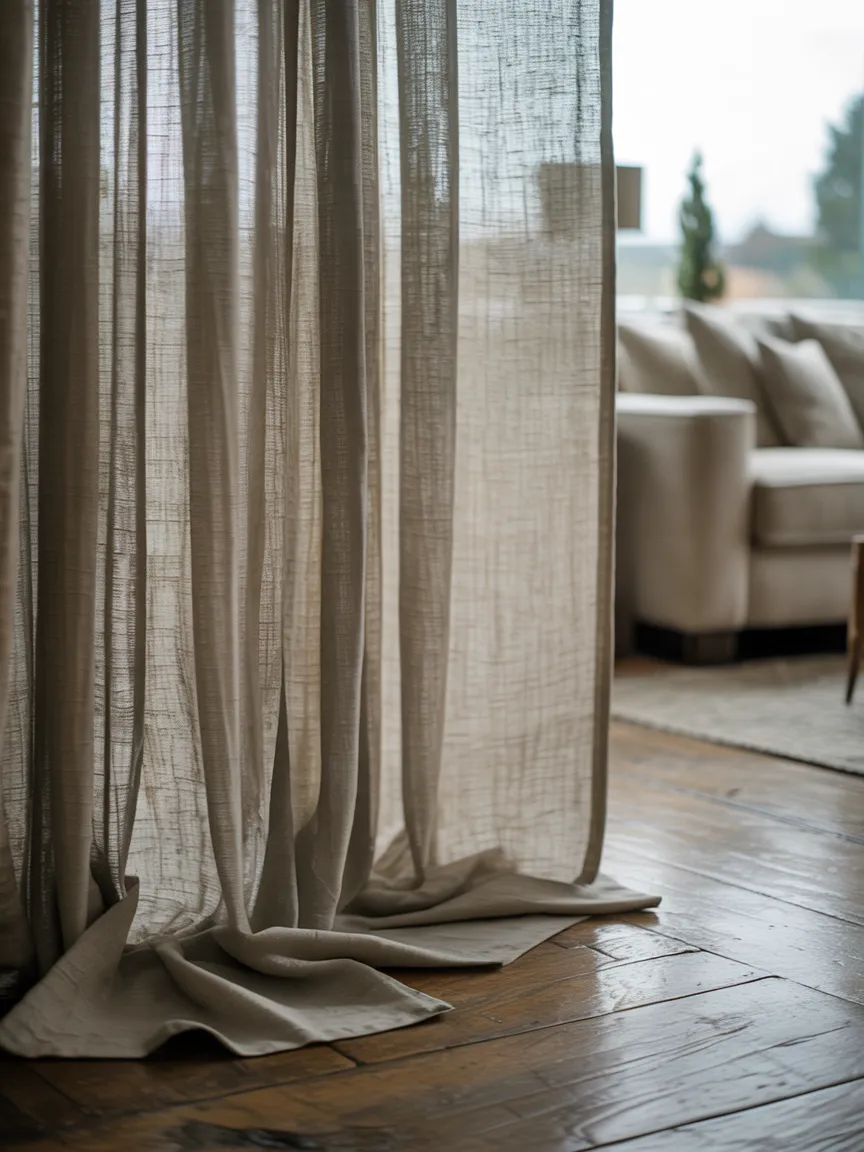
Belgian linen drapery hung from ceiling height and allowed to pool two to three inches on the floor creates that soft, undone elegance that defines neutral european interior design. Source undyed or oatmeal linen from IKEA’s DYTÅG panels or Rough Linen’s fabric by the yard for a budget-conscious version. The slight wrinkling is intentional — never iron these curtains.
10. A Persian or Antique-Style Rug as the Room’s Anchor
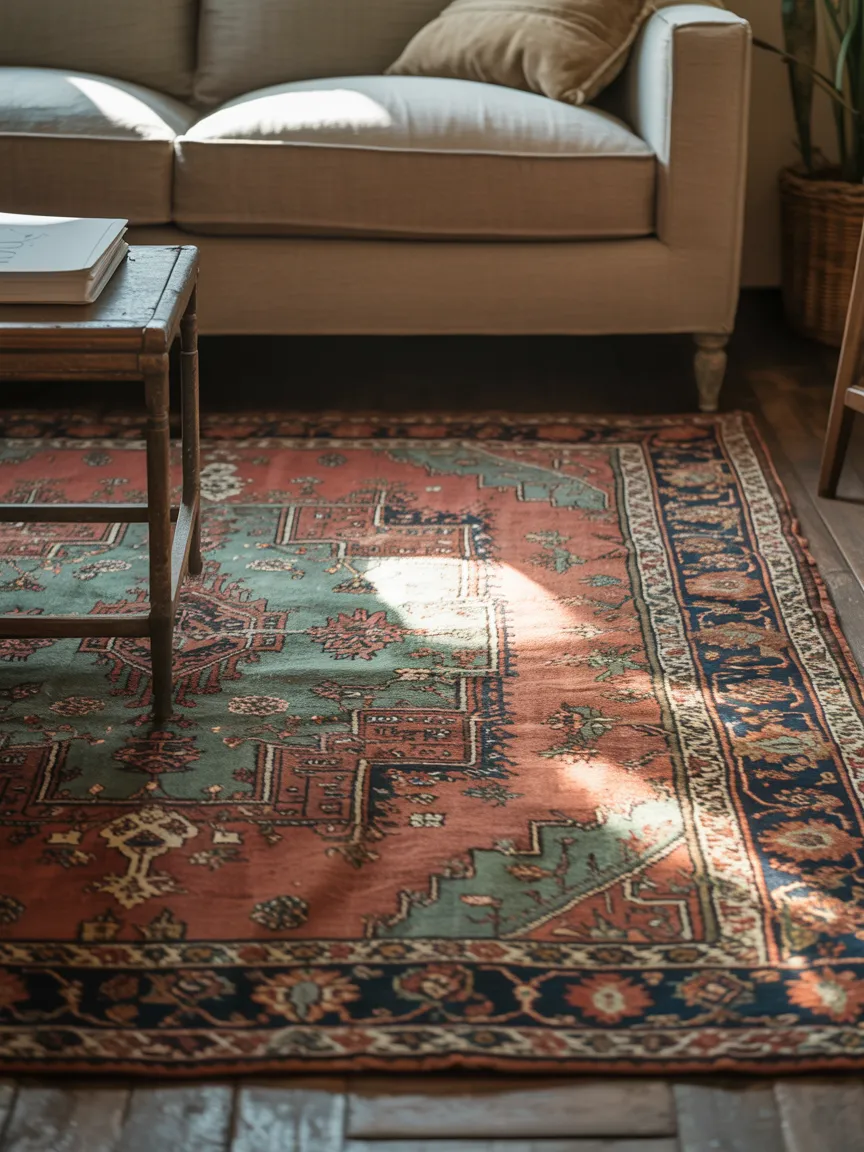
A faded, muted Persian or Turkish rug grounds a European farmhouse living room with centuries of pattern history without competing with the neutral walls. Look for hand-knotted vintage options — the craftsmanship and aging in Persian rugs handmade with traditional techniques delivers a depth that machine-made reproductions simply cannot touch. Size up — a rug that is too small is the fastest way to make a curated room look accidental.
11. Antique Oil Paintings in Gilded or Ebonized Frames

Antique oil paintings — landscapes, portraits, still lifes — hung in slightly oversized gilded or ebonized frames bring the art-collecting sensibility of old European homes into any rental apartment. Thrift stores and estate sales regularly yield genuine oil paintings for under thirty dollars, and even reproductions in the right frame read as collected rather than purchased. The frame matters more than the painting — a great frame elevates a mediocre canvas instantly.
12. Linen or Wool Upholstery in Warm Stone Tones
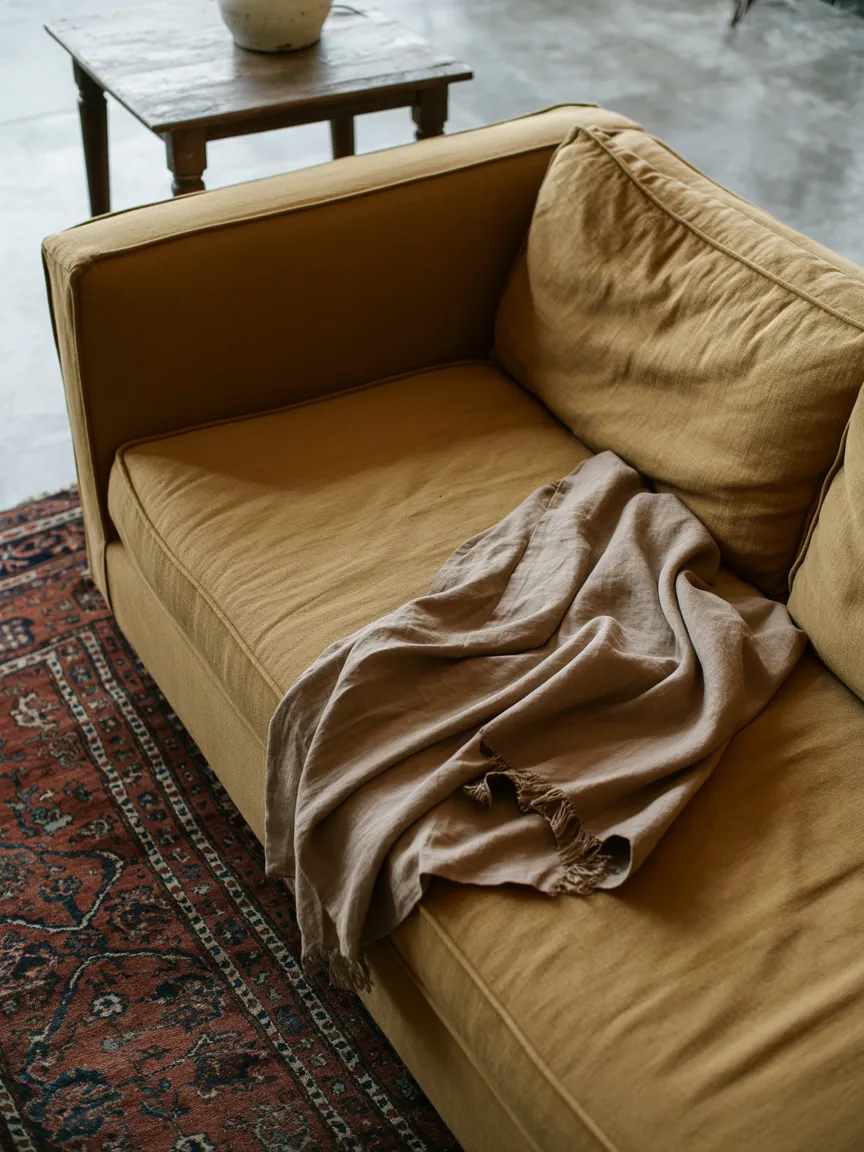
Sofas and chairs upholstered in natural linen, nubby wool, or cotton-linen blends in warm stone, putty, or flax tones are the seating foundation of the english cottage farmhouse style. Avoid anything with a sheen — velvet is too glamorous and polyester blends read as modern rather than timeworn. For apartment-specific approaches to layering this kind of seating, the guidance on apartment living room designs offers smart spatial solutions.
13. Wabi-Sabi Ceramics on Every Surface
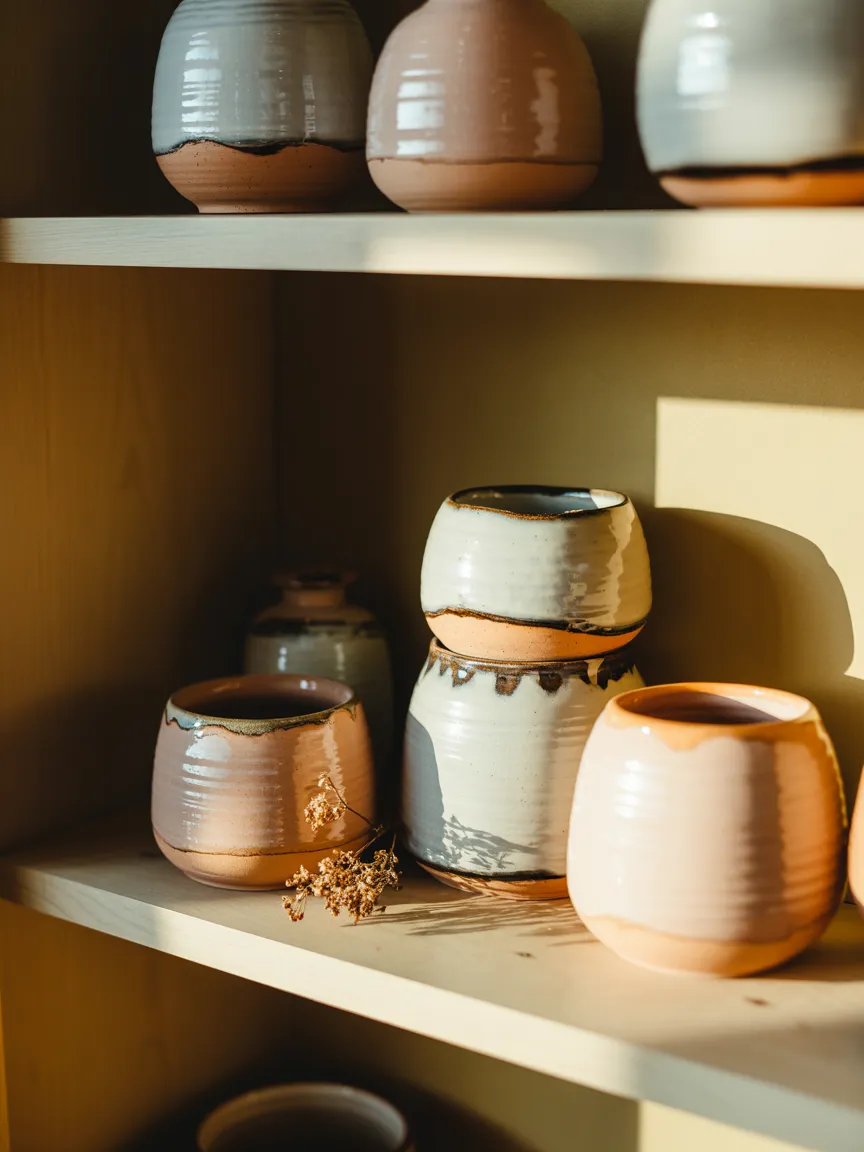
Hand-thrown ceramics with uneven rims, ash glazes, or visible throwing lines bring the wabi-sabi philosophy that runs quietly through European farmhouse styling — the beauty of imperfection. Stack them in groups of three on shelves, mantels, and kitchen counters in muted terracotta, sage, and cream. Never buy a matching set — the point is that these pieces look found, not curated from a single collection.
What Nobody Tells You Before You Start Decorating This Way
Here is the part most design articles skip entirely: the european farmhouse aesthetic takes longer to build than any other style, and that is actually its greatest strength. You cannot buy it all at once from a single store and have it look right. The rooms that genuinely nail this style were assembled over months and years — one thrifted painting here, one inherited candlestick there, one hardware swap that took twenty minutes but changed everything. The slowness is the method, not the obstacle.
The other thing worth knowing before you spend a single dollar: start with your color palette and commit to it completely before buying anything else. Every piece you bring in should be able to live inside a palette of no more than four tones — typically a warm white, a soft greige, one deeper earth tone, and one aged metal. If you are still working out what those four tones should be for your specific light conditions, exploring color palette ideas organized by room and light exposure will save you from expensive repainting mistakes.
Vintage Rustic European Home Details That Cost Almost Nothing
These are the finishing touches that separate a decorated room from a truly styled one.
14. Beeswax-Finished Wood Furniture Instead of Lacquered Pieces
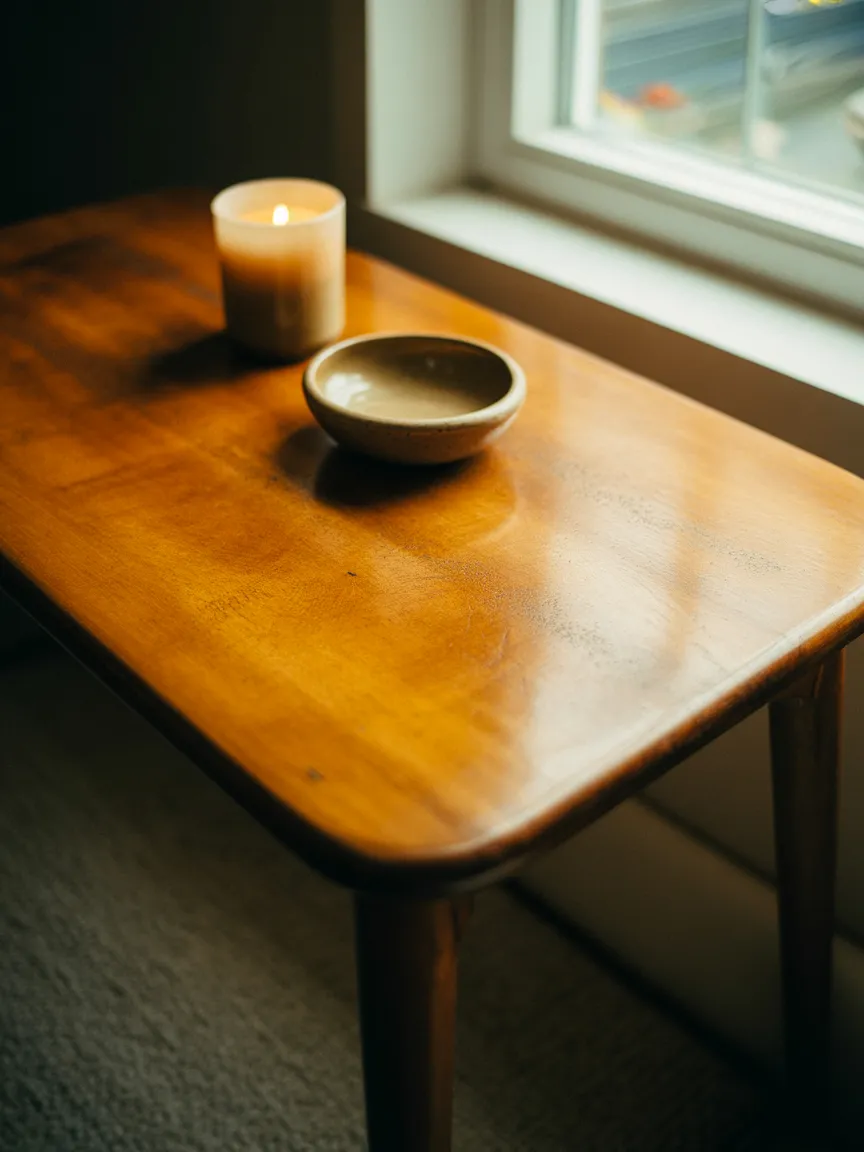
Furniture finished with beeswax rather than lacquer or polyurethane has the soft, hand-rubbed warmth that is central to vintage rustic european home styling. Apply a thin coat of Briwax in “Antique Brown” to any wood piece — thrifted or new — and the transformation takes under an hour. This single product has rescued more flat-looking wood furniture in my home than anything else I have tried.
15. Aged Terracotta Pots Clustered Near Windows
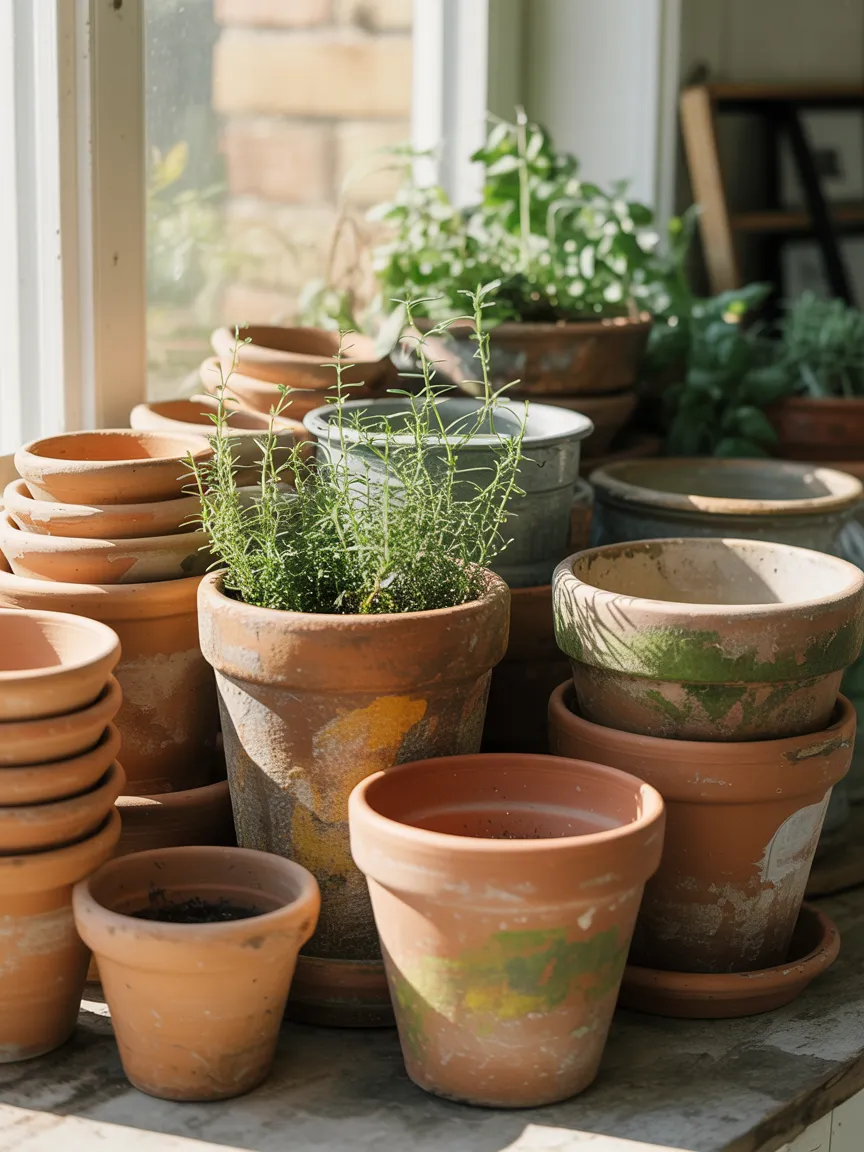
Authentic aged terracotta pots — not the bright orange new ones — clustered in groups near windows or on kitchen windowsills bring the Mediterranean and southern European farmhouse sensibility indoors. Age new terracotta by coating it with diluted yogurt and leaving it outside for two weeks to encourage moss growth. The patina you get is indistinguishable from a pot that sat in a Provençal garden for forty years.
16. Wrought Iron Candle Holders and Sconces
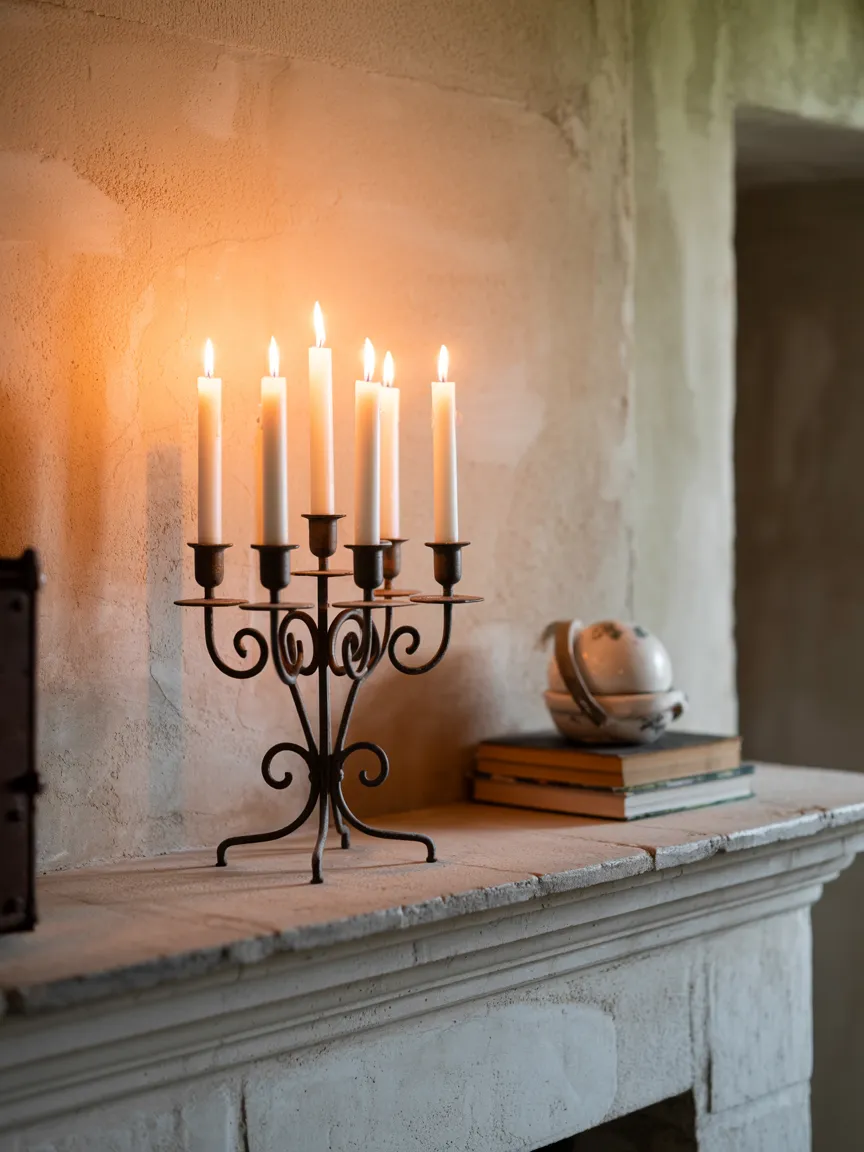
Wrought iron candle holders — the kind with multiple arms and drip cups — placed on mantels, dining tables, and bookshelves anchor the old world farmhouse decor palette with their heavy, forged quality. Look for genuine wrought iron rather than cast iron at antique malls; the slightly irregular surface is the tell. Actual candles, not LED — the moving flame is non-negotiable for this aesthetic.
17. Linen-Wrapped or Paper-Covered Books on Open Shelves
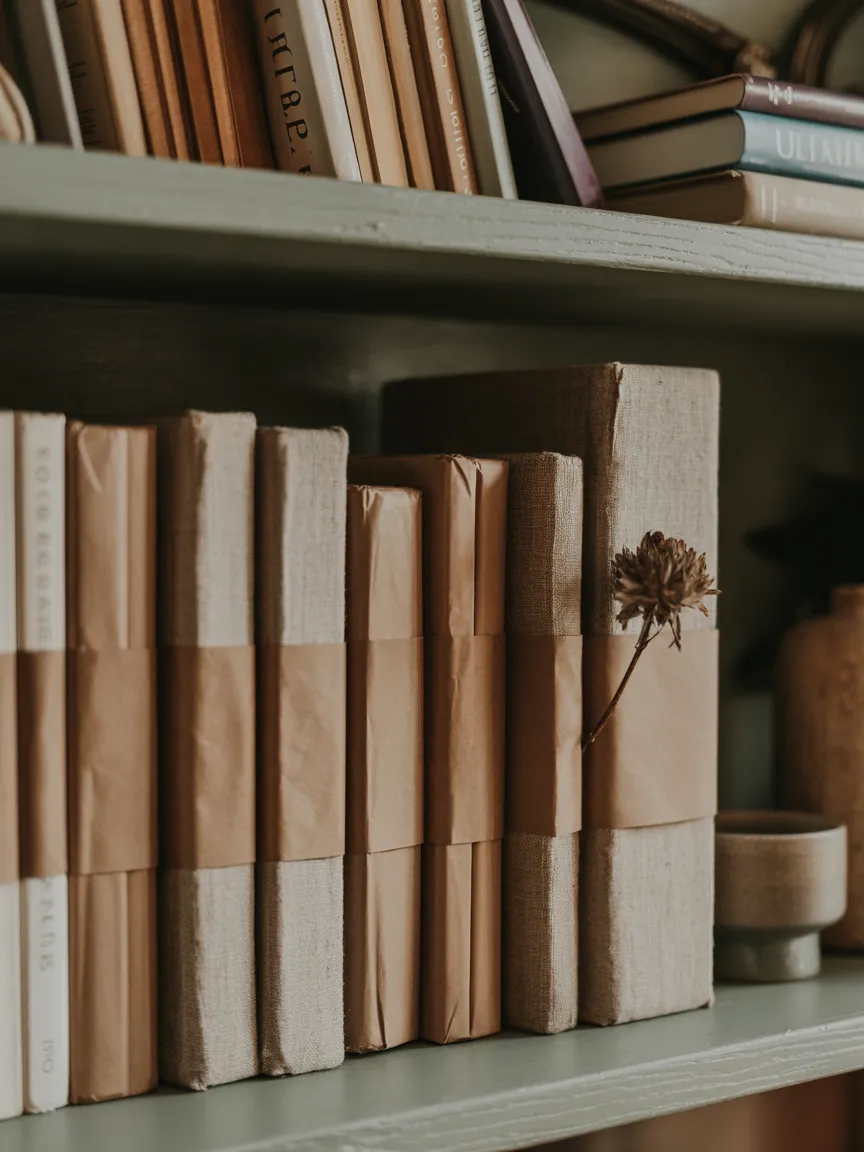
Covering book spines with brown kraft paper or wrapping them in neutral linen fabric transforms a chaotic bookshelf into a calm, editorial display in minutes. Group them by size rather than color for a more organic, collected look. This costs nothing and takes about twenty minutes — it is the kind of small move that makes guests ask who your decorator is.
18. A Vintage French or English Market Basket as Functional Decor
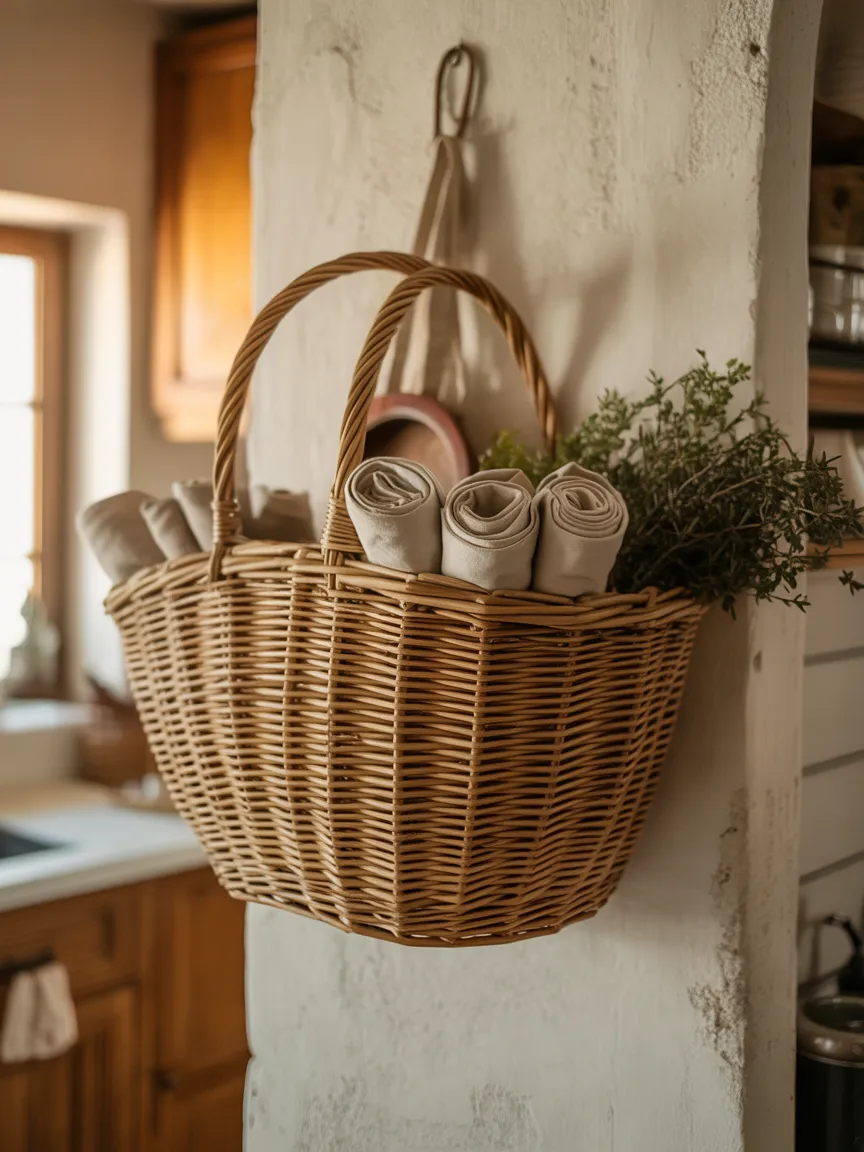
A large woven market basket — the flat-bottomed kind used in French and English markets — hung on a wall or propped against a kitchen island brings texture, warmth, and cultural reference simultaneously. Source them at estate sales, World Market, or directly from French vendors on Etsy for under forty dollars. Use it — fill it with bread, vegetables, or rolled linen napkins — because functional objects always look more authentic than purely decorative ones.
Elegant Farmhouse Styling Trends Worth Adopting (and One to Skip)
Not every trend deserves space in a truly timeless room — here is how to filter them.
19. Modern Organic Shapes Paired With European Antiques
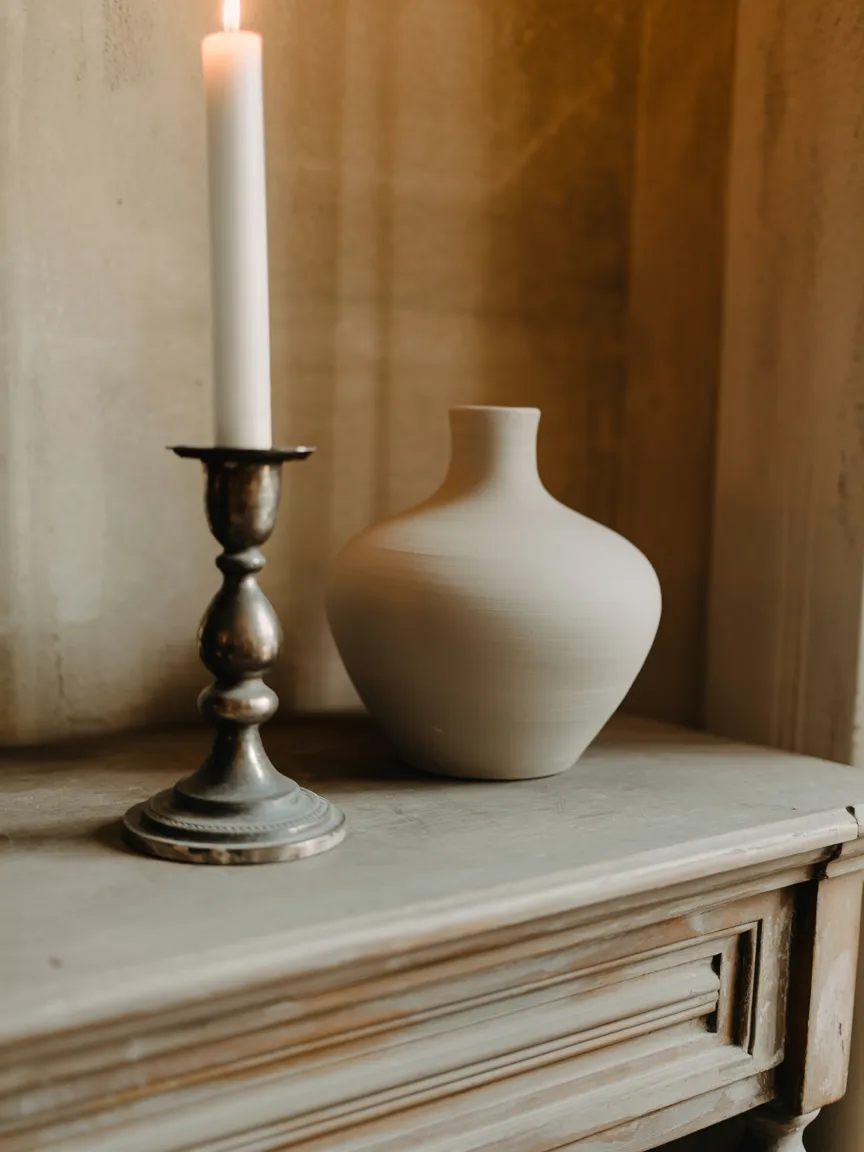
One of the most sophisticated moves in current elegant farmhouse styling trends is placing a modern organic-shaped ceramic or sculptural object directly next to a genuine antique — the contrast highlights both. A smooth, hand-formed white clay vase next to a tarnished silver candlestick creates that specific tension that makes a room feel collected by someone with real taste. The key is that the modern piece must be handmade — factory-produced modern shapes look jarring rather than intentional.
20. Plaster or Venetian Plaster Walls in Warm White
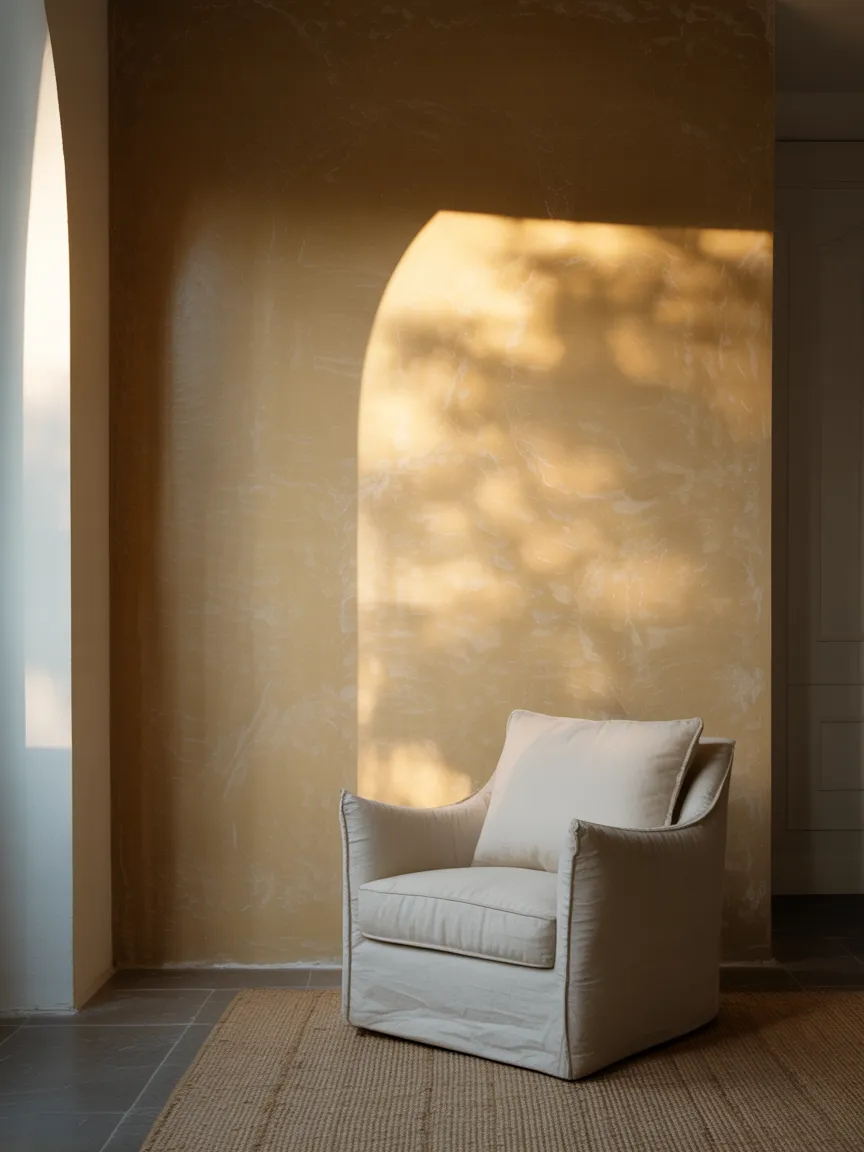
Venetian plaster walls in a warm white or pale bone tone have the luminous, slightly irregular surface that reads as genuinely old European — it catches light differently at every hour of the day. Hire a skilled applicator for one accent wall rather than attempting a full room DIY if you are new to the technique. This is the one area where spending more upfront saves you from a costly redo.
21. Forgoing Matching Furniture Sets Entirely
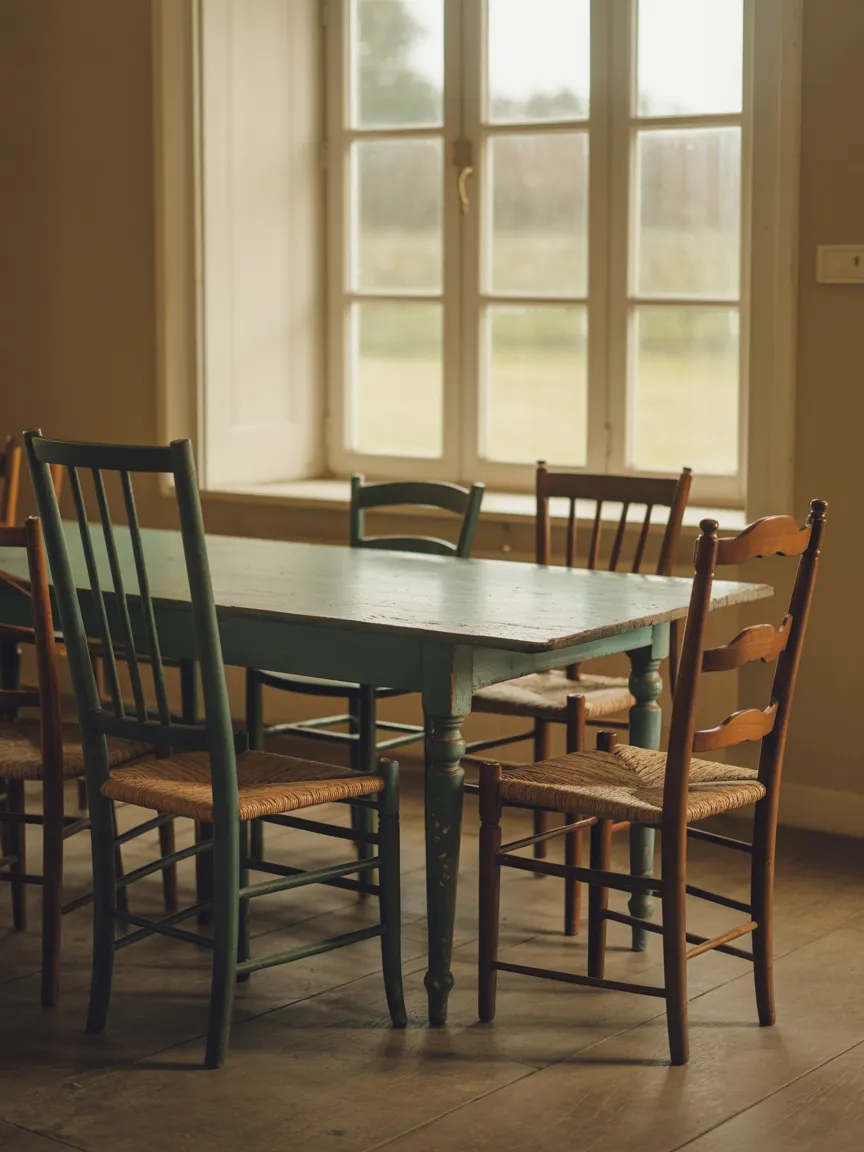
The single most european thing you can do in a dining room is seat mismatched chairs around one table — some wooden, some rush-seated, one with arms, none from the same decade. This is how actual European farmhouse dining rooms are furnished, because pieces were added as families grew and budgets allowed. Buy the table first, then hunt for chairs individually over several months — patience produces the best results here.
22. Avoiding Shiplap — It Is Not European
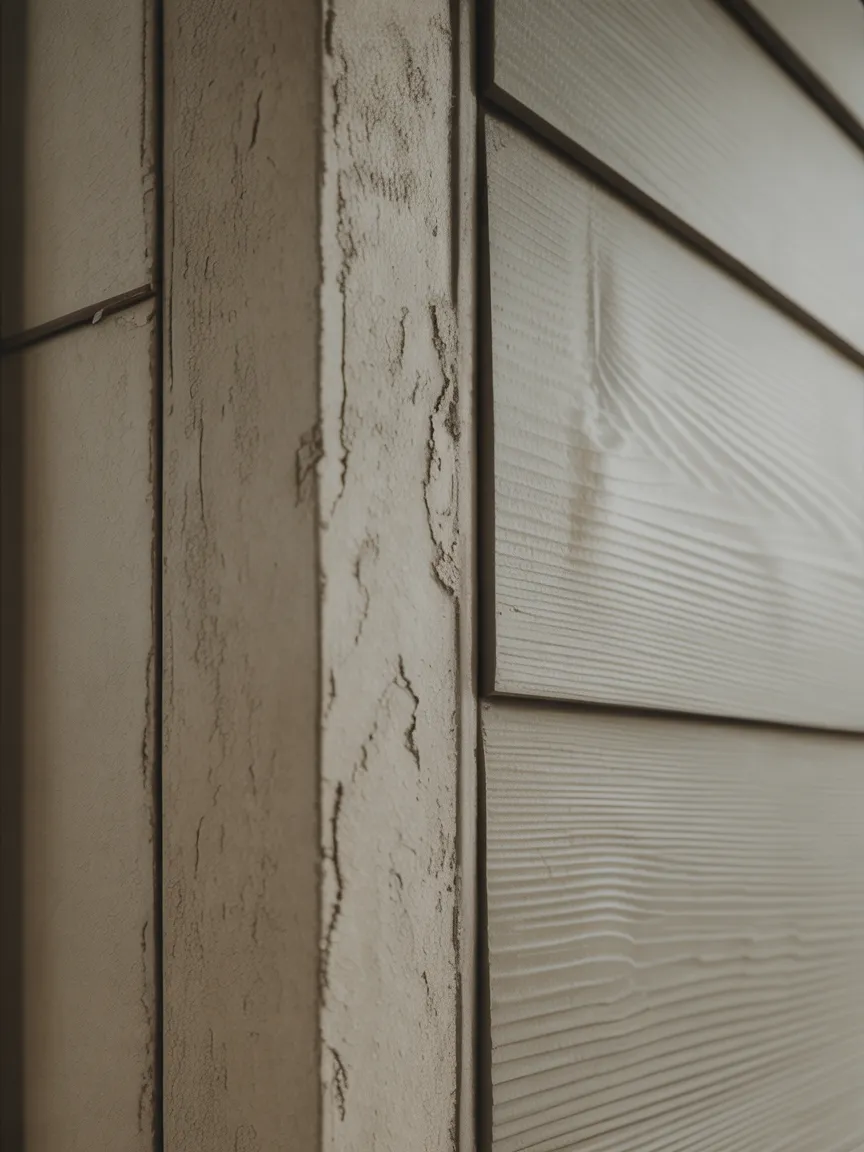
Shiplap is an American farmhouse detail, not a European one — and mixing it into a european farmhouse aesthetic immediately shifts the room toward a different style entirely. If you want wall texture, reach for plaster, limewash, or genuine board-and-batten with a plaster skim coat instead. This distinction is the clearest line between modern farmhouse and european farmhouse design.
Thrifting and Sourcing: Affordable Paths to the European Farmhouse Look
Budget is not a barrier here — it is actually an advantage, because the best pieces for this look are the ones nobody else wanted.
23. Estate Sales Are Your Primary Source
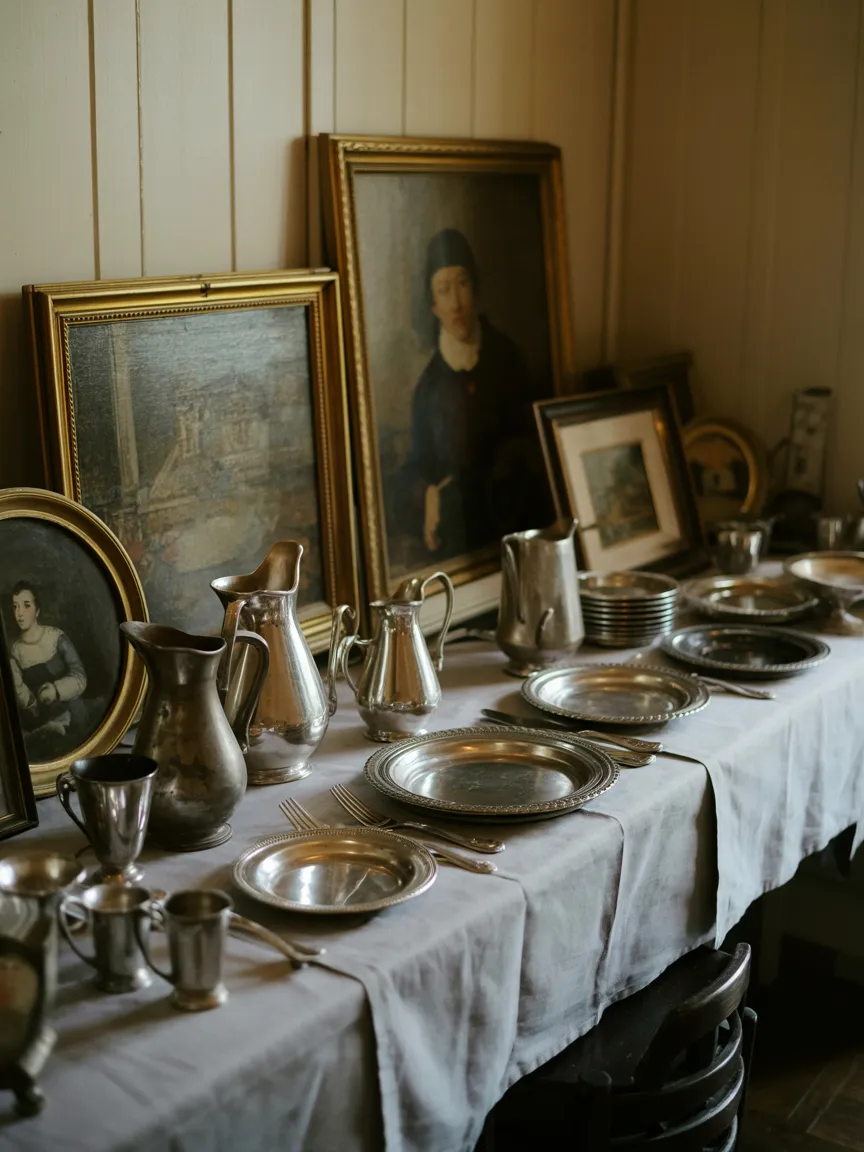
Estate sales — particularly in older neighborhoods — regularly yield the exact objects that define old world farmhouse decor: silver-plate serving pieces, oil paintings, linen tablecloths, ironstone, and solid wood furniture with genuine age. Use the EstateSales.net app to filter by location and preview photos before attending. Arrive on the last day for the deepest discounts, but on the first day for the best selection — choose based on what you need most.
24. Thrift Stores in Wealthy Zip Codes
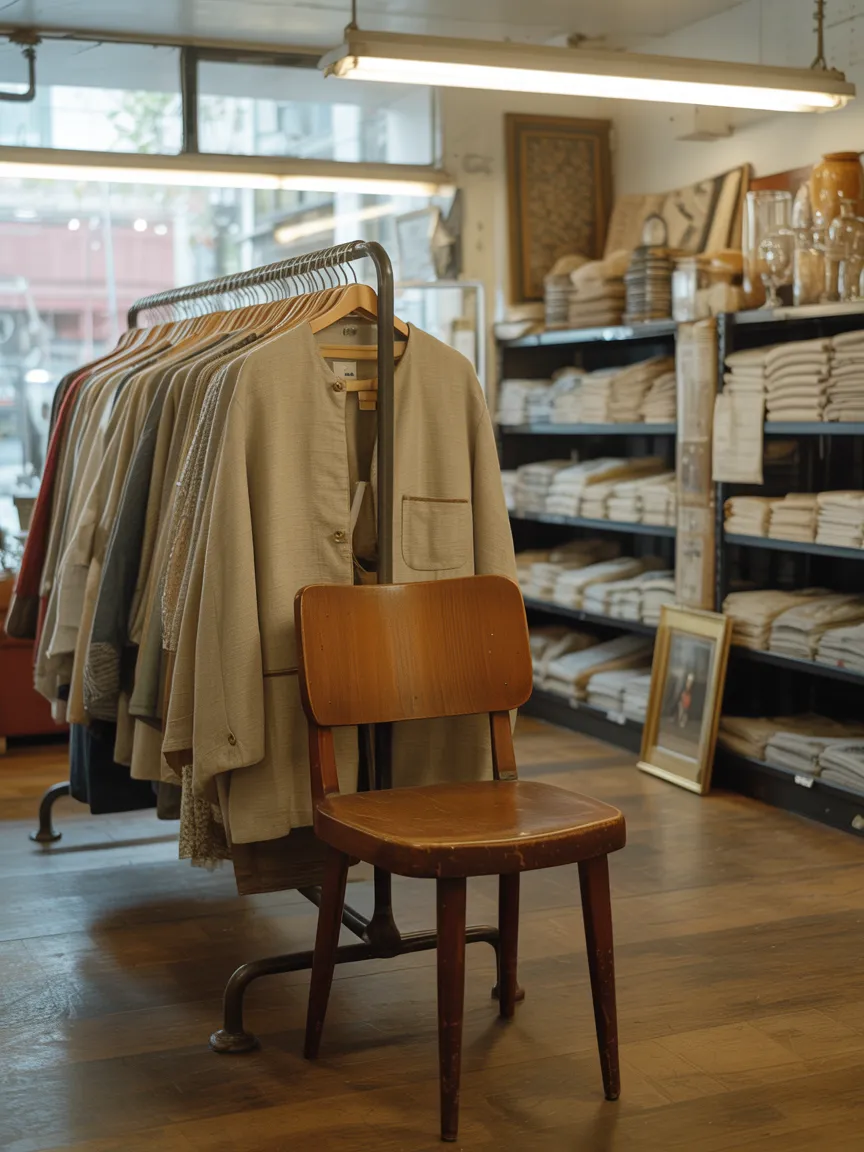
Goodwill and Salvation Army locations in affluent neighborhoods receive donations of genuinely good furniture, art, and housewares that would cost hundreds at antique shops. Drive thirty minutes to a higher-income area and you will find a fundamentally different caliber of donation. This is not a secret among serious vintage decorators — it is standard practice.
25. Local Furniture Stores With European Sensibility
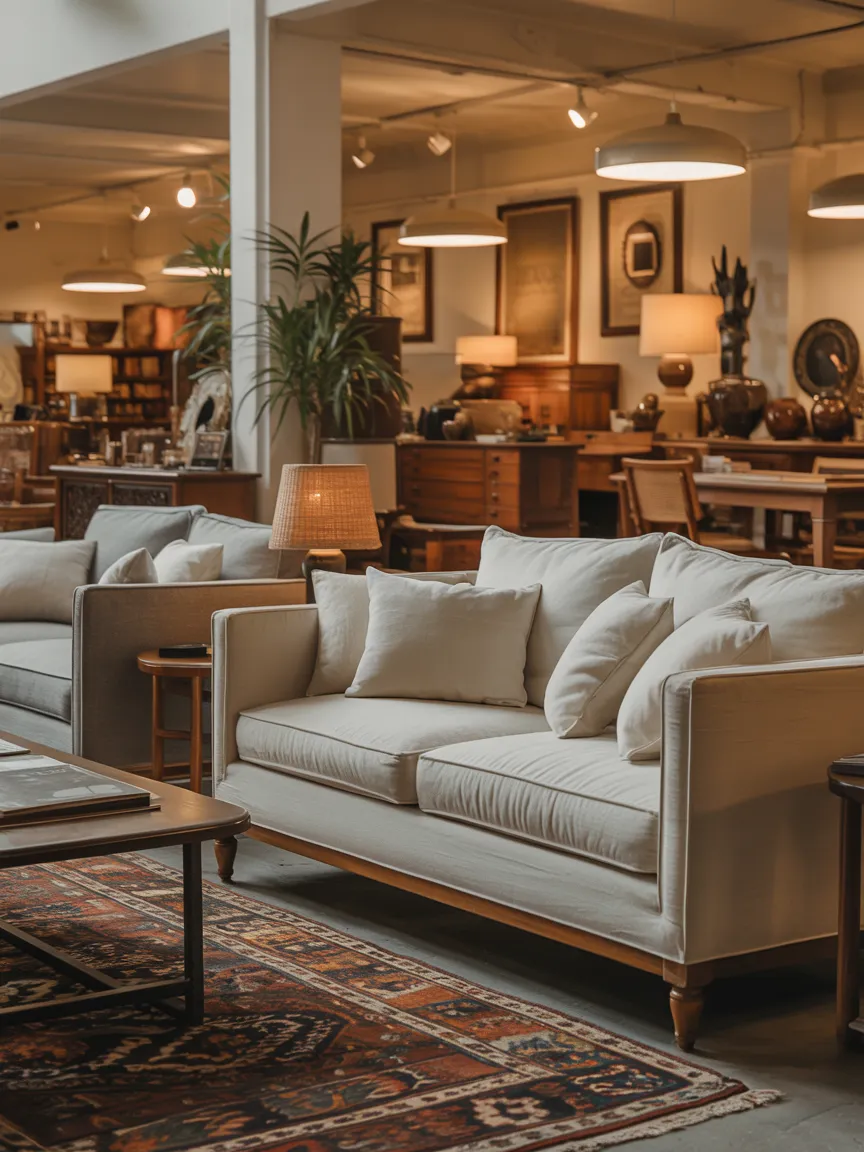
Some independent furniture stores carry European-influenced pieces at prices that compete with big-box retailers, especially if you shop floor models. Stores in cities with strong design communities often carry exactly the kind of linen-upholstered, solid-wood pieces this aesthetic demands — exploring options at furniture stores in Brooklyn or checking what is available at Austin furniture stores can surface pieces you would never find online. Always ask about floor model discounts — they are almost always negotiable.
Your Practical Guide to Getting Started Without Feeling Overwhelmed
If your living room feels like a blank canvas and you do not know which brush to pick up first, start with one wall and one surface. Pick the wall that gets the most natural light, apply a limewash or Roman clay paint treatment, and then style the surface directly in front of it — a console table, a mantel, a kitchen counter. Getting one vignette completely right gives you a reference point for every other decision in the room. Everything else can wait until that one corner feels true.
Renters, this style was practically designed for you. Limewash paint is removable with a damp cloth before you move out, peel-and-stick stone veneer exists for fireplace surrounds, and command strips hold more than you think. The unlacquered brass hardware swap requires nothing more than a screwdriver and takes under an hour per cabinet — and you simply swap the originals back when you leave. None of the most impactful moves in this aesthetic require a drill or a landlord’s permission.
On a tight budget, the order of operations matters enormously. Spend on paint first — it covers the most surface area for the least money. Then hardware. Then one quality textile, like a genuine linen curtain panel. After those three investments, everything else can be thrifted, inherited, or found. The mistake beginners consistently make is spending their entire budget on one statement piece — a sofa, a rug — and having nothing left for the layering that makes the statement piece look intentional.
The one mistake that derails most beginners is buying everything at once from a single source. A room furnished entirely from one store — even a good one — looks like a showroom, not a home. The european farmhouse aesthetic is built on the appearance of accumulation. Mix a thrifted painting with a new linen sofa with an inherited wooden bowl and suddenly the room has a history, even if that history is only six months old.
To make it look intentional rather than random, use the rule of three materials per vignette: one rough texture, one smooth, one aged. A rough linen pillow, a smooth ceramic lamp base, and an aged brass tray. That combination, repeated in different forms across the room, creates the visual coherence that makes people assume you had a designer. Start with one shelf or one table today — style it with those three material types and see what it teaches you about the rest of the room.
Honestly, the best thing I ever did was stop trying to finish the room and start enjoying the process of building it. Pick one thing from this list — just one — and do it this week. Maybe it is ordering a sample pot of Roman Clay. Maybe it is driving to an estate sale on Saturday morning with forty dollars in your pocket. The rooms I am most proud of were not planned all at once; they grew slowly, the way the best things do. That is the real secret of the european farmhouse aesthetic, and now it is yours.


