
Pros and Cons of Freestanding Tub Ideas: 8 Great Pros & 5 Cons
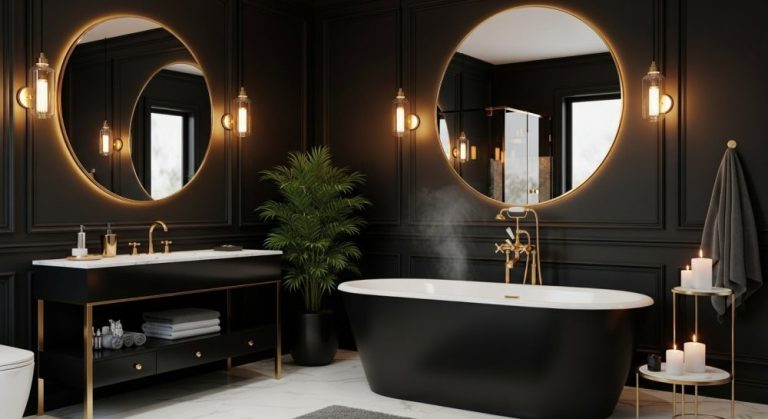
Freestanding tubs have become a popular choice for modern bathroom designs, adding both luxury and sophistication. They serve as a statement piece while offering the comfort and relaxation that every bathroom needs. Whether you’re building a new bathroom or remodelling an existing one, freestanding tubs can elevate your space. In this blog post, we will dive into the 8 pros and 5 cons of freestanding tub ideas to help you determine if they are right for your home.
8 Pros of Freestanding Tub Ideas
Elegant Aesthetic Appeal
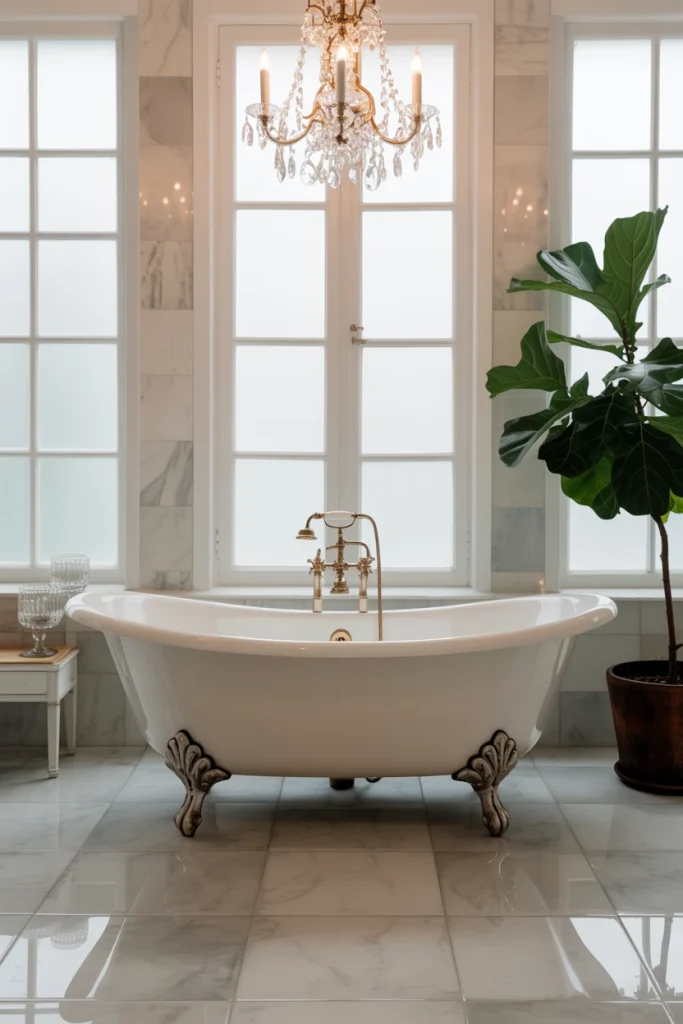
Freestanding tubs exude elegance and style. They can become the focal point of your bathroom, creating a spa-like atmosphere. Available in various materials such as acrylic, cast iron, and stone, these tubs offer a wide range of designs that suit any bathroom style from modern minimalist to classic vintage.
Space Efficiency

Unlike traditional bathtubs that are built into the walls, freestanding tubs can be placed anywhere in the bathroom. This flexibility allows you to maximize the space, especially in larger bathrooms. Additionally, you can create a stunning centerpiece while still maintaining a sense of openness and flow.
Ease of Cleaning
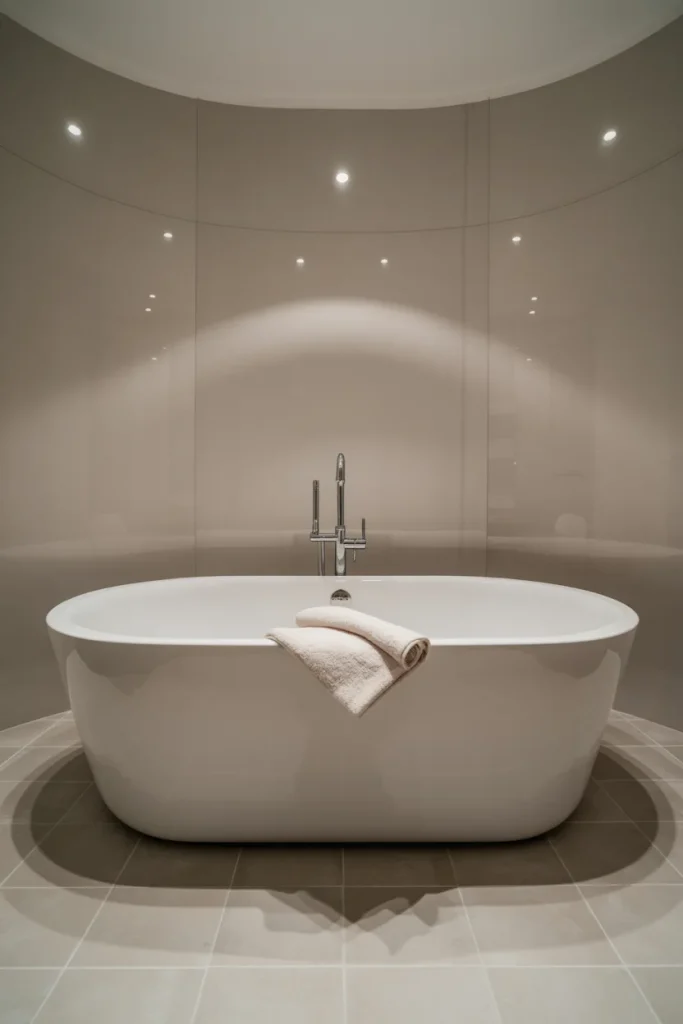
Since freestanding tubs don’t have surrounding walls, there are fewer crevices and corners where grime and dirt can accumulate. This makes cleaning much easier compared to traditional bathtubs. A simple wipe-down is usually all that’s needed to keep your tub sparkling clean.
Comfortable and Spacious

Most freestanding tubs offer a larger interior space, making them ideal for long, relaxing soaks. The design allows you to stretch out fully, providing comfort and relaxation after a long day. Some tubs even come with ergonomic designs to support your back and neck, enhancing the soaking experience.
Increased Home Value
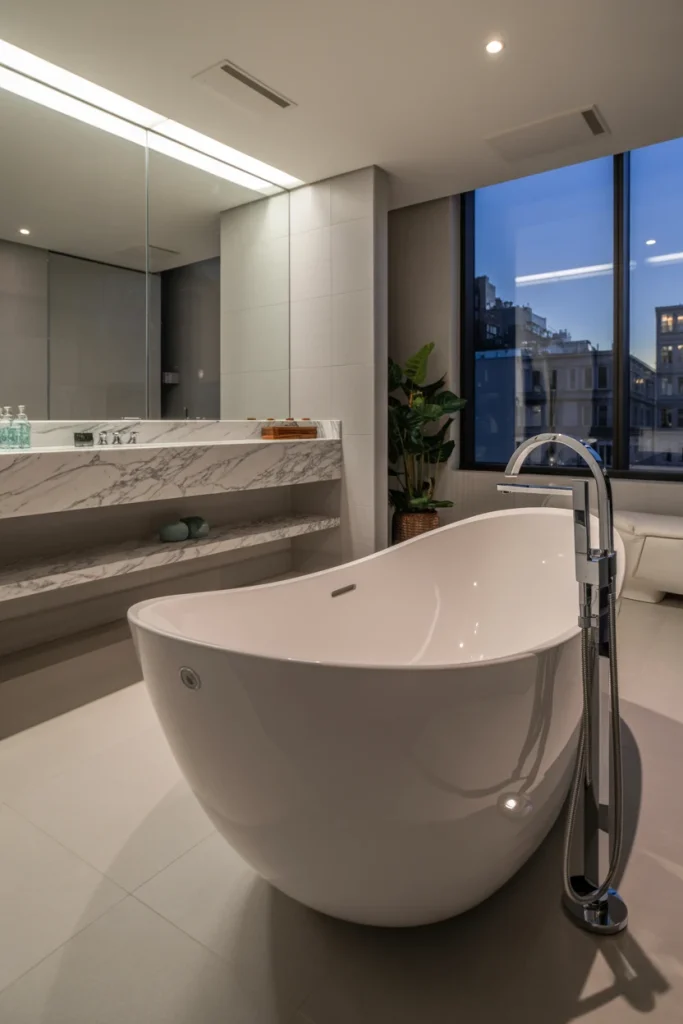
Installing a freestanding tub can increase the value of your home. Potential buyers often see them as a luxury feature that adds appeal to the bathroom. If you’re considering selling your property in the future, a stylish freestanding tub could be a great selling point.
Variety of Designs
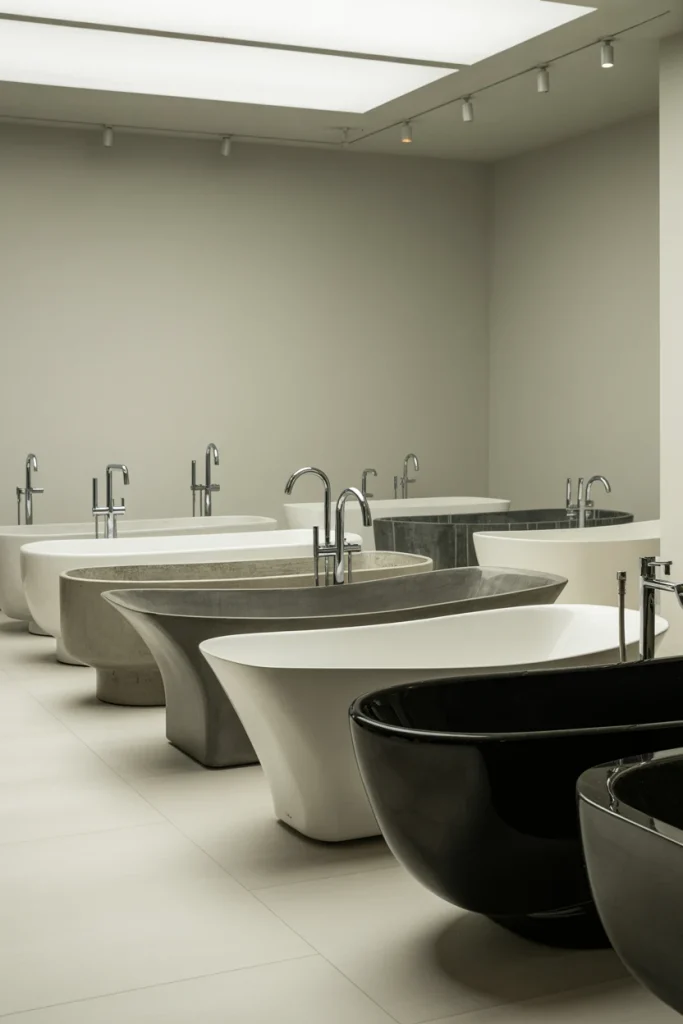
Freestanding tubs come in a multitude of shapes and sizes, from oval and round to more unique, artistic forms. This diversity in design options ensures that you can find a tub that fits your personal style and the overall aesthetic of your bathroom.
More Room for Other Bathroom Fixtures
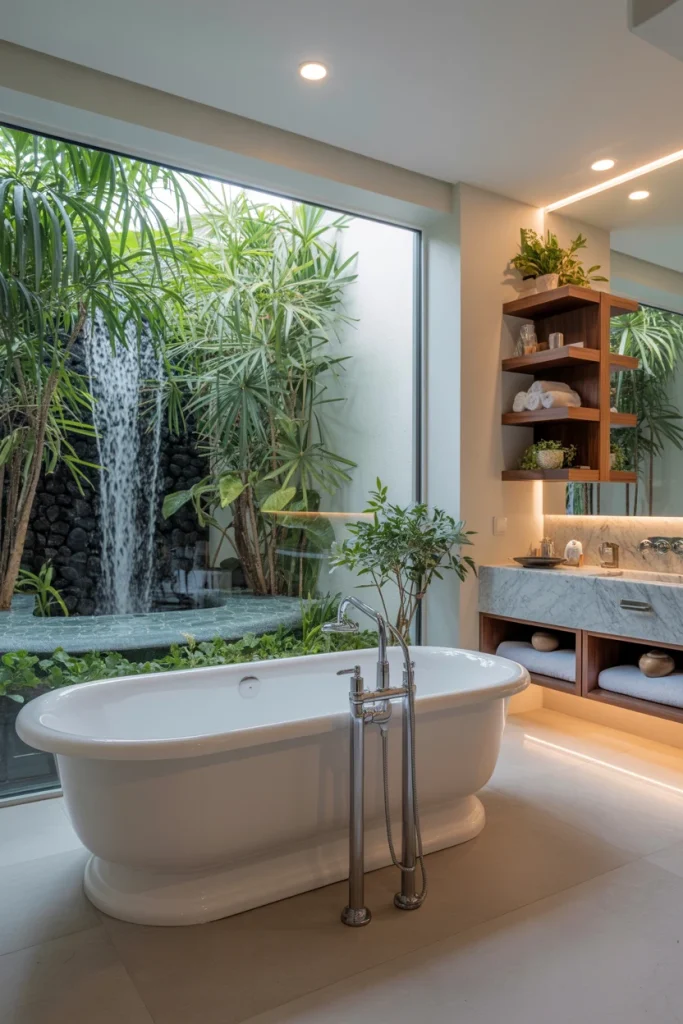
By eliminating the need for a traditional built-in tub, you open up more space for additional bathroom features. You could add a larger shower, vanity, or even extra storage, depending on your needs.
Customization Options

Many freestanding tubs can be customized to suit your preferences. From faucets to finishes and colors, you can create a bathtub that matches your vision for the bathroom. Some tubs even come with integrated features like LED lighting or built-in heaters for added luxury.
5 Cons of Freestanding Tub Ideas
Higher Installation Costs

The initial cost of purchasing and installing a freestanding tub is often higher than a traditional built-in tub. This is due to the additional plumbing requirements and the quality of materials involved. Depending on the brand and design, installation costs can vary significantly.
Space Constraints in Smaller Bathrooms

While freestanding tubs are versatile, they might not be the best fit for smaller bathrooms. The tub’s location often requires more space to ensure it doesn’t overcrowd the room. In compact bathrooms, a freestanding tub can make the space feel cramped and reduce the functionality of the area.
Potential for Water Spillage

Since freestanding tubs are often positioned away from walls, there is an increased risk of water splashing onto the bathroom floor. This can lead to water damage if the area around the tub isn’t adequately protected or if the design doesn’t consider splash zones.
Requires Strong Flooring

Due to their weight, especially for materials like cast iron, freestanding tubs require sturdy flooring. Before installation, you must ensure that your bathroom floor can support the tub’s weight. This may involve additional structural considerations and could add to the cost of installation.
Limited Storage Space

Unlike built-in tubs, freestanding tubs don’t offer any integrated storage options, such as shelves or cabinets. If you prefer having a place to store bath products or other essentials close to the tub, you may need to invest in additional storage solutions, like a nearby cabinet or shelf.
Conclusion
Freestanding tubs are undeniably beautiful and luxurious, offering a stylish and comfortable bathroom experience. However, they come with considerations such as higher costs and the need for sufficient space. Whether or not they are the right choice for you will depend on your bathroom size, budget, and design preferences.
If you’re looking for more ideas to enhance your bathroom’s aesthetic, check out our small bedroom ideas for inspiration on maximizing space and adding style. Additionally, consider exploring modern farmhouse exterior styles to bring a rustic charm to your bathroom or home.
Ultimately, a freestanding tub can transform your bathroom into a luxurious retreat, but it’s important to weigh both the pros and cons before making a decision.