
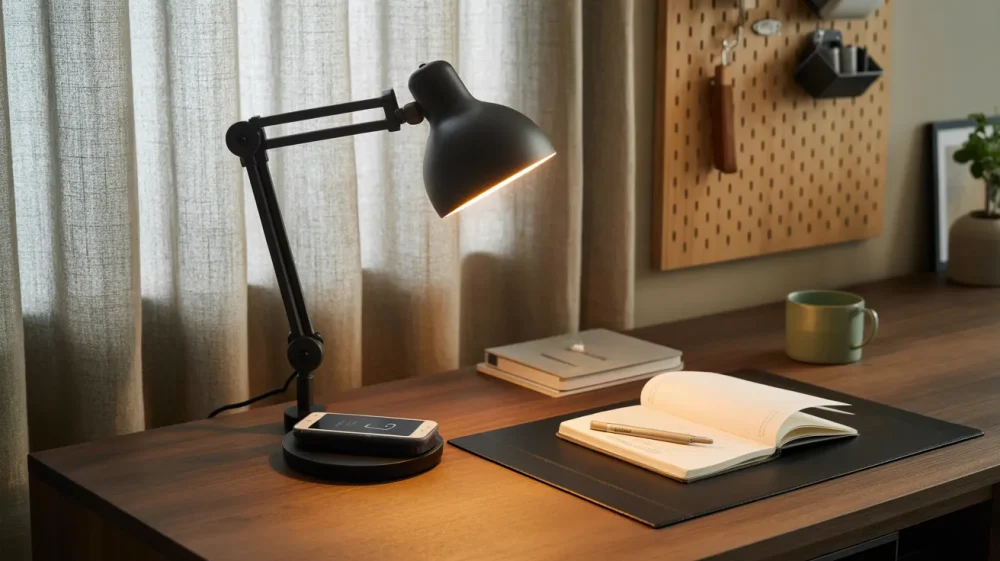
23 Clever Study Table Lamp Designs That Mix High-End Style with Peak Productivity
There is a particular kind of frustration that hits around 9 PM — eyes burning, neck stiff, the overhead light doing absolutely nothing useful — when you realize your workspace is working against you. Good study table task lighting is one of those things nobody talks about until they get it wrong for the third time. I have been there, and I spent way too long thinking any lamp would do the job. It does not. The right desk lamp changes how long you can focus, how your eyes feel at the end of a long session, and honestly, how much you actually want to sit down and work in the first place. These 23 ideas cover everything from swing arm adjustables to wireless charging bases — real designs, real opinions, and a few things I wish someone had told me earlier.
Where I Went Wrong First (So You Don’t Have To)
My first desk lamp was a cheap warm-toned bulb in a generic metal shade I grabbed from a discount store. It looked fine in the photo online. In practice, it cast a yellowish pool of light that barely reached my keyboard, left my monitor in shadow, and gave me a headache by hour two. I thought I was just tired. I was not tired — I was working under the lighting equivalent of a birthday cake candle.
The biggest lesson: color temperature matters as much as brightness. Warm light is cozy for a living room but genuinely terrible for reading fine print or staring at a screen for four hours. I switched to a daylight-balanced LED at 4000K and the difference was immediate — less squinting, less fatigue, more actual focus. Start there before you spend money on anything else.
Architectural Statement Lamps That Do Real Work
These are the lamps that look like they belong in a design magazine and still manage to light your notes properly.
1. The Pivoting Boom Arm in Matte Black
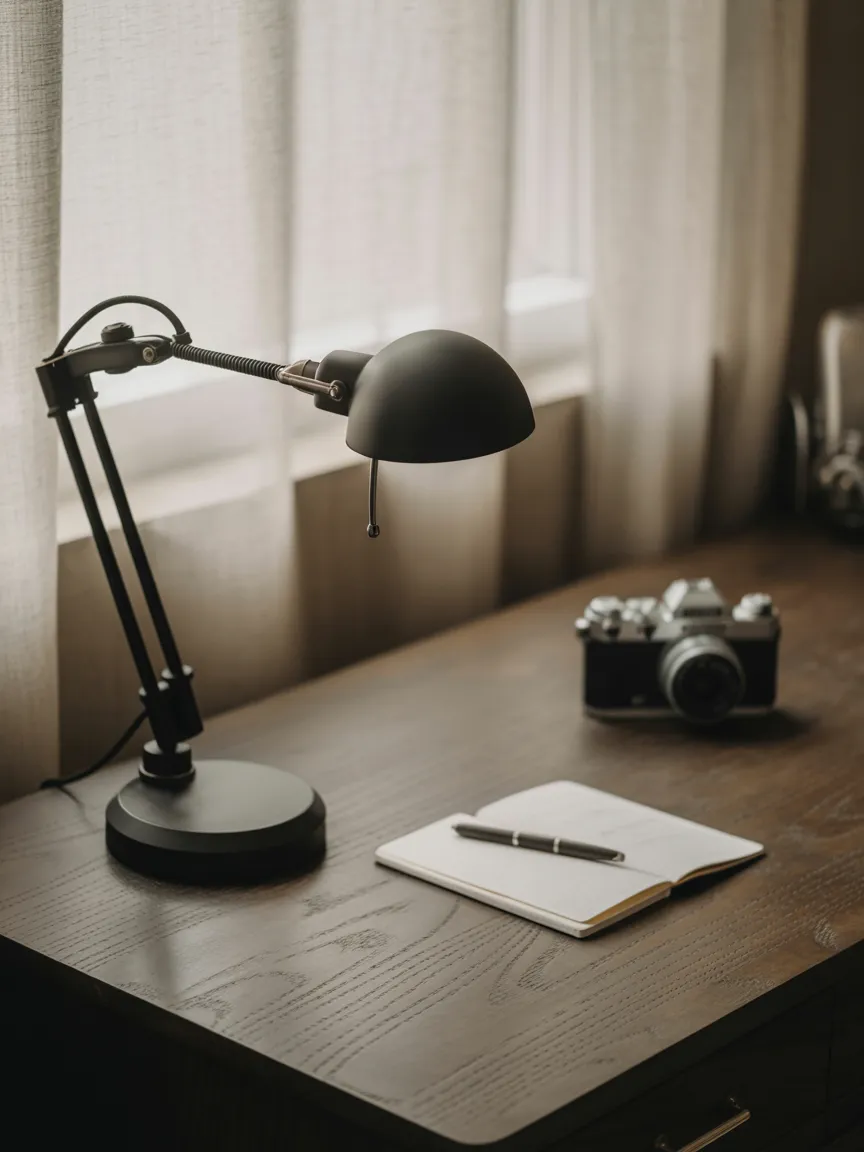
A boom-arm lamp with a horizontal extension gives you precise control over exactly where light falls on your desk surface. Matte black metal finishes pair effortlessly with dark wood desks or white laminate without looking like an afterthought. The extended reach means zero shadow on your notebook, which is the whole point.
2. The Articulated Architect’s Lamp in Raw Brass
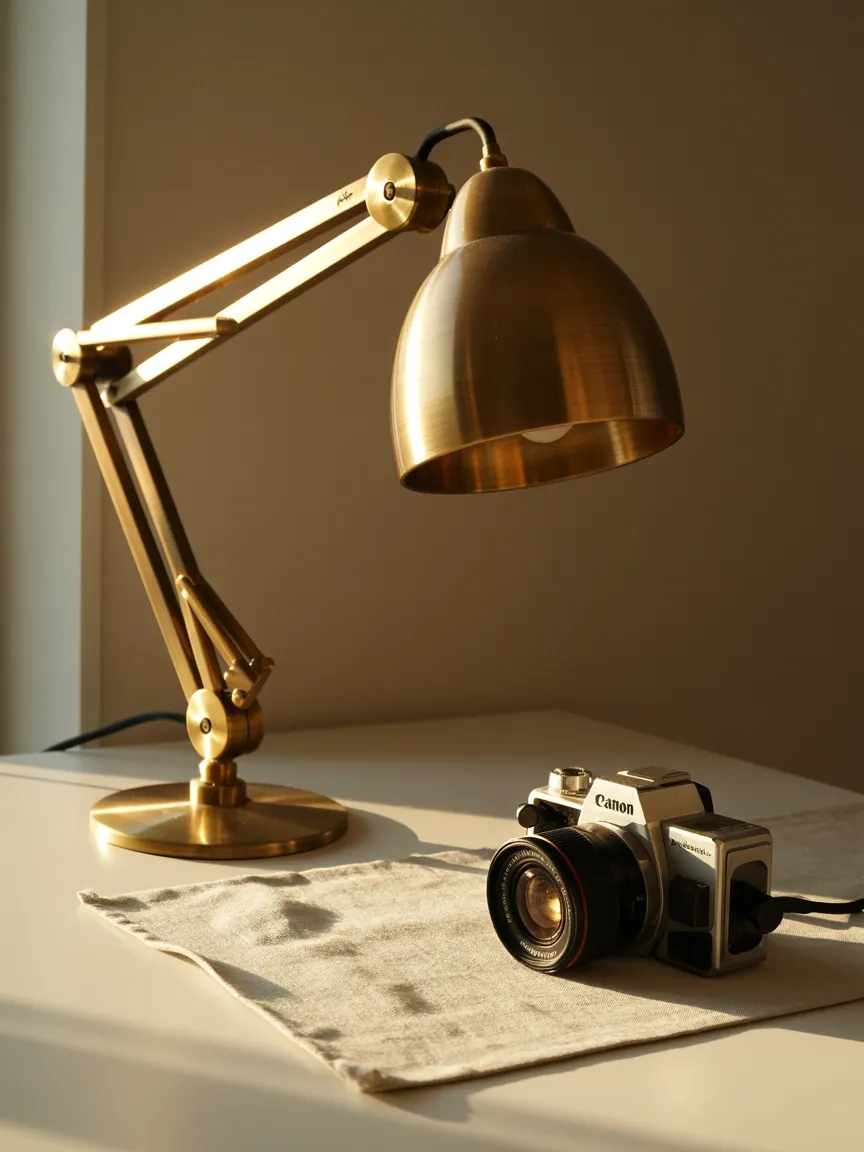
Inspired by the classic Anglepoise silhouette, a raw or matte brass version brings warmth to a minimal workspace without sacrificing the adjustability that makes architect lamps genuinely useful. Look for one with at least three pivot points so you can angle the head independently of the arm. This is one of those modern matte brass desk lamps that earns its price tag every single day.
3. The Cone-Shade Directional Task Light
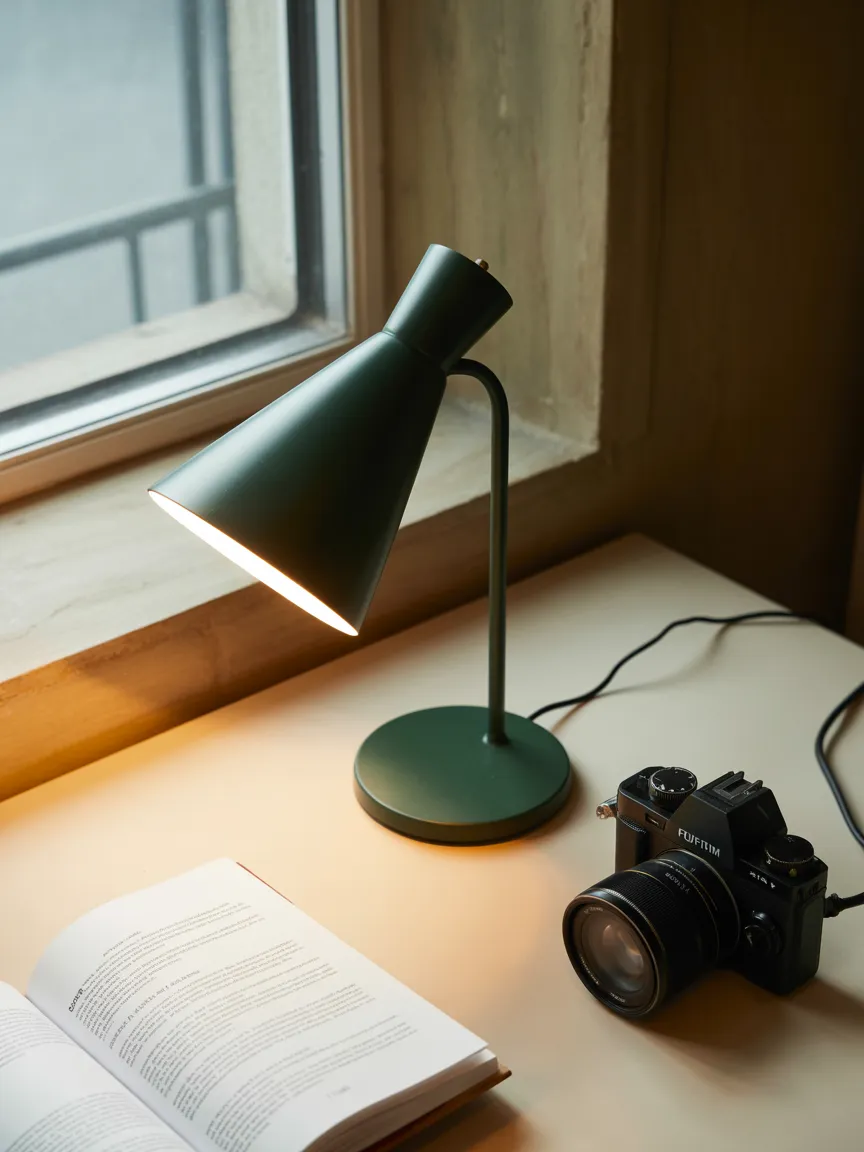
A deep cone shade narrows the light beam so it hits your work surface without bleeding onto your screen — a simple fix for the glare problem most people never trace back to their lamp. Powder-coated steel in forest green or terracotta makes this feel intentional rather than utilitarian. Avoid shallow shades if screen glare is your enemy.
4. The Sculptural Concrete Base Lamp
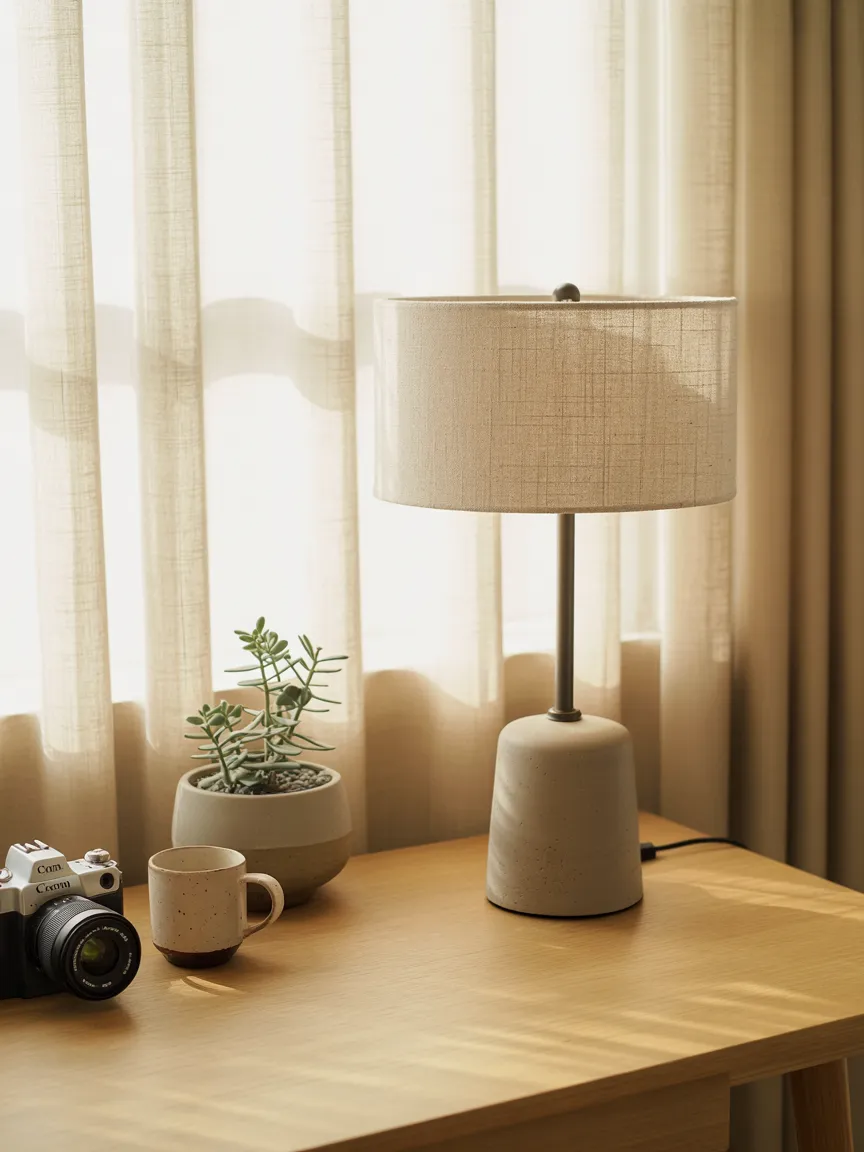
A concrete base with a slim adjustable neck is heavy enough to stay put during late-night typing marathons and looks genuinely architectural on a styled desk. Pair it with a slim linen shade for a texture contrast that reads as curated rather than random. Just know that concrete bases are not light — moving your desk setup becomes a two-hand job.
Adjustable and Swing Arm Designs Built for Long Sessions
For anyone who reads, writes, and types in the same sitting, adjustability is not a luxury — it is a requirement.
5. The Wall-Mounted Swing Arm (No Desk Space Lost)
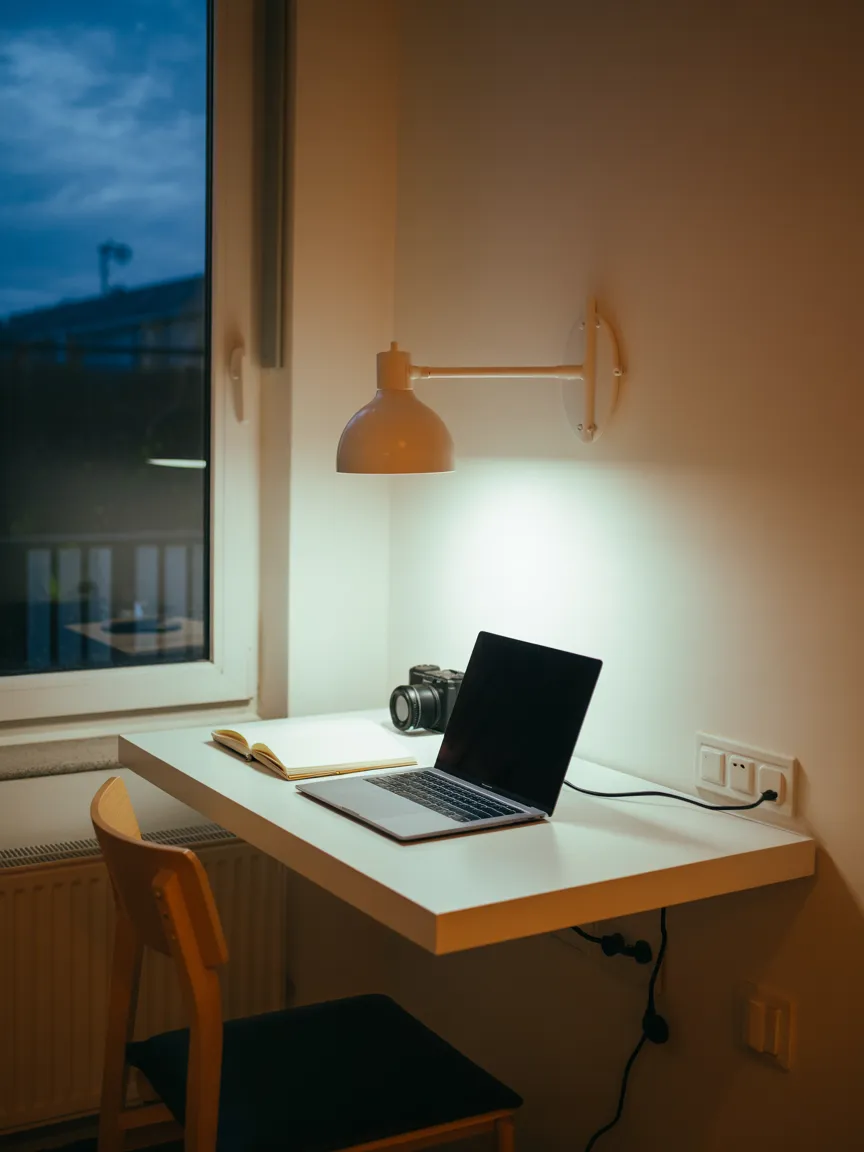
A swing arm adjustable desk lamp mounted to the wall behind your desk frees up the entire surface and lets you position light from above rather than beside — which is how professional drafting studios have done it for decades. If you are a renter, look for versions that use adhesive mounting plates rated for the lamp’s weight. This is the single best option for small desks that are already crowded with monitors and notebooks.
6. The Clamp-On Task Light for Renters
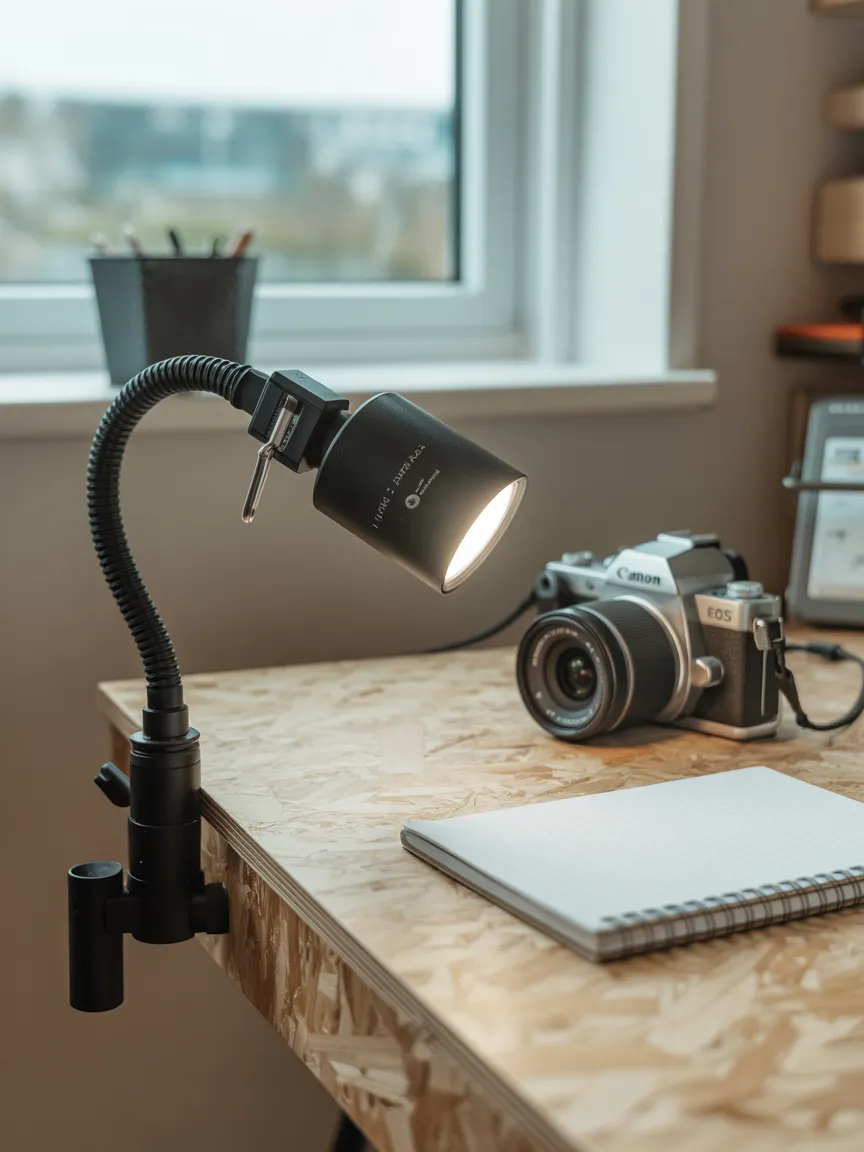
Clamp-on desk task lights attach to the edge of any desk surface and are completely removable — no holes, no damage, no landlord conversations. A clamp lamp with a flexible gooseneck gives you the same directional control as a fixed mount without the commitment. Make sure the clamp jaw is padded so it does not scratch your desk edge.
7. The Counterbalance Spring Arm Lamp
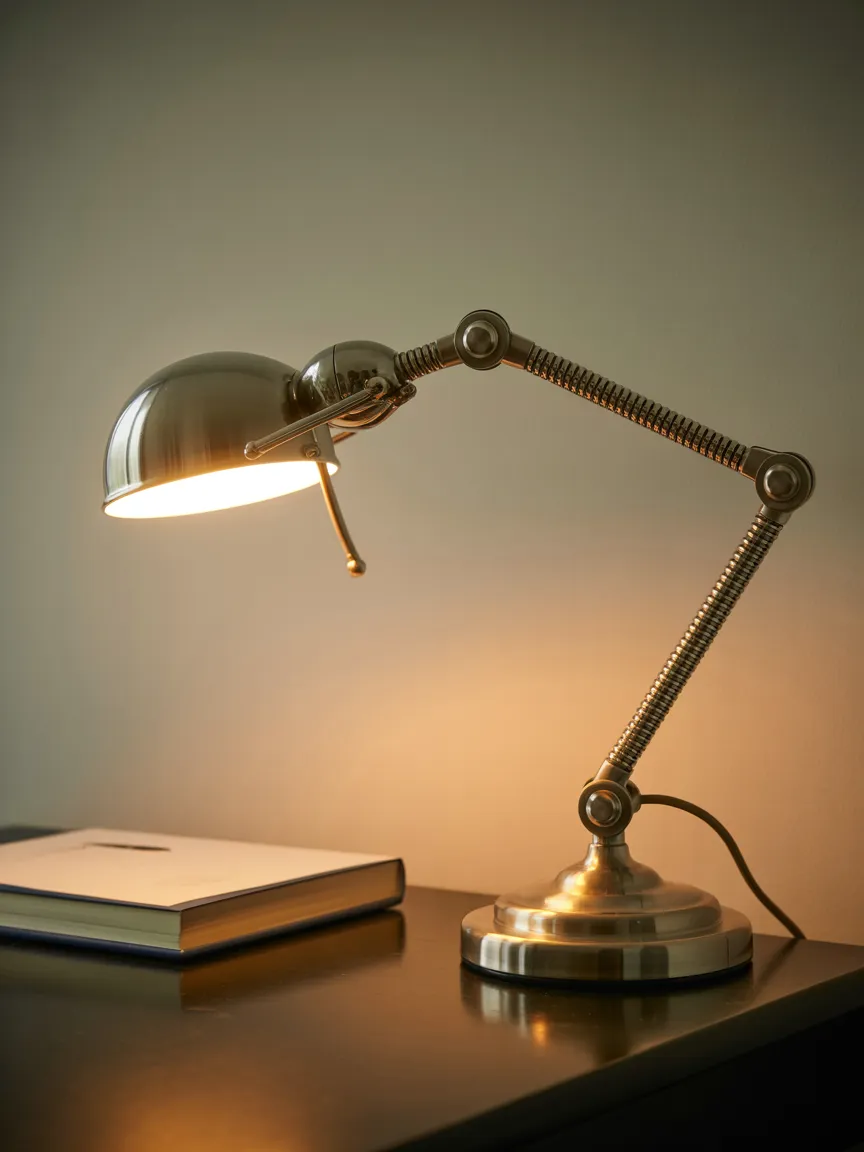
The spring-tension arm stays exactly where you position it — no drooping, no drifting — which sounds like a small thing until you have owned a lamp that slowly sags toward your coffee mug over the course of an hour. A good counterbalance mechanism is what separates a $40 lamp from a $140 one, and it is worth every dollar. Test the spring tension before buying if you can — it should hold position with one finger.
8. The Flexible Gooseneck LED Strip Lamp
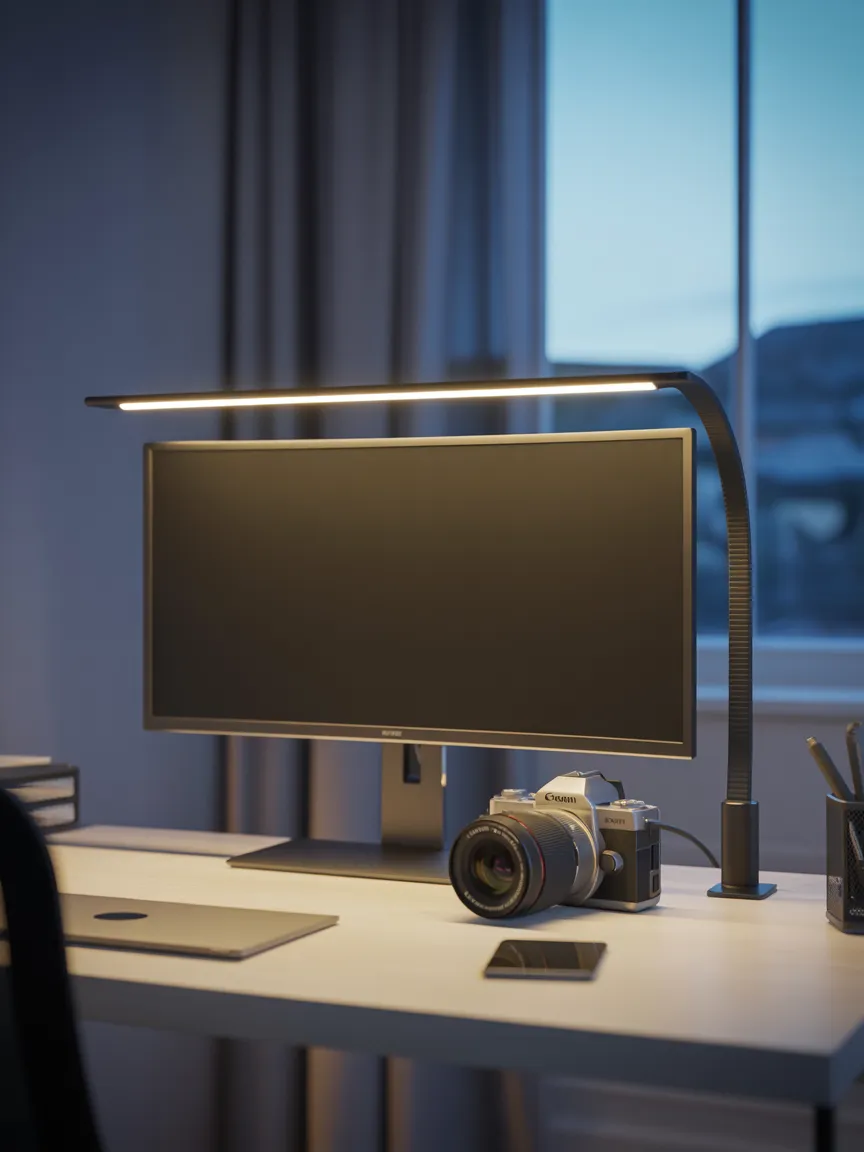
A gooseneck lamp with an integrated LED strip instead of a single bulb distributes light more evenly across a wide desk surface, which is ideal for dual-monitor setups where a single point source creates uneven brightness. The slim profile means it fits neatly behind a monitor without blocking anything. These are some of the best architectural desk lamps for long hours of reading and studying precisely because they eliminate hotspots.
Minimal Student Desk Designs That Still Look Elevated
Minimal student study table decor does not have to mean boring — it means edited, intentional, and genuinely functional.
9. The Single-Bulb Exposed Edison on a Weighted Base
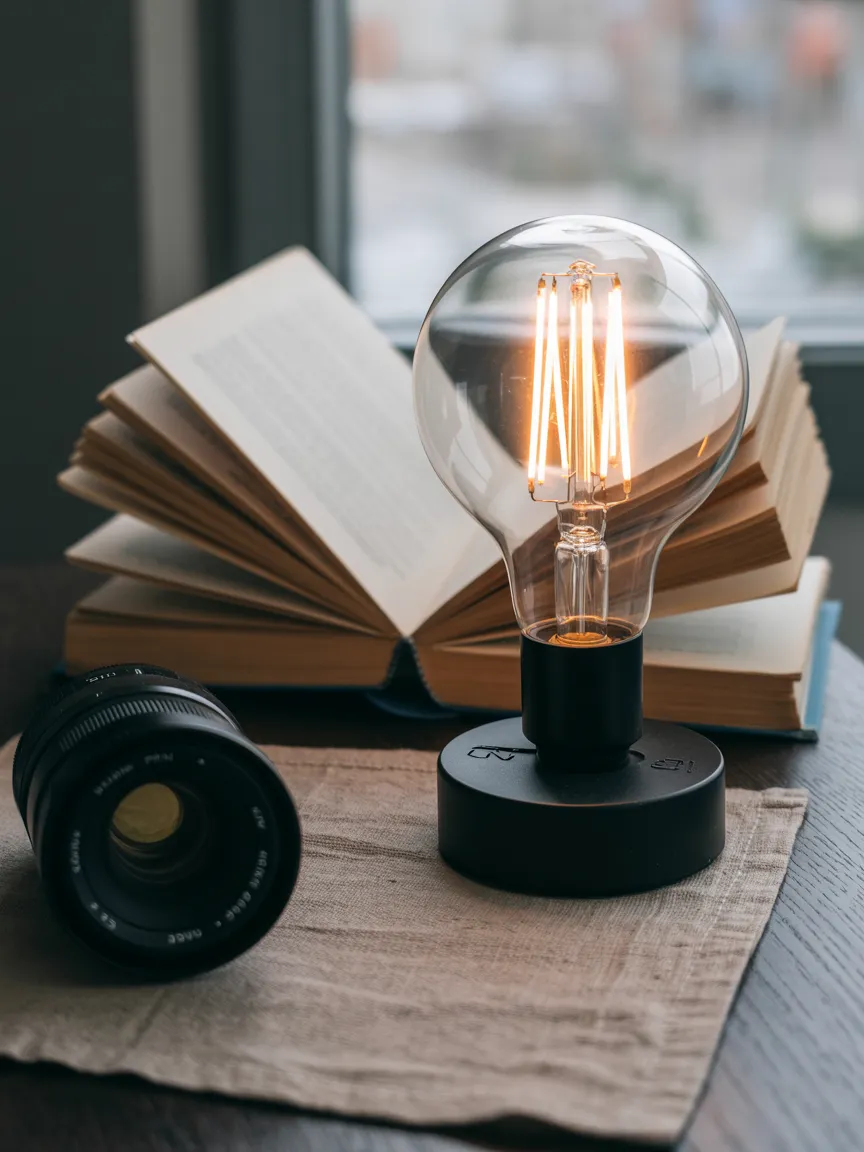
An exposed Edison bulb on a minimal weighted base looks effortlessly cool on a student desk and costs very little — but use a daylight LED version of the Edison shape, not the warm amber original, or you will be studying in candlelight vibes. The amber glow is gorgeous for a moody dining room aesthetic but genuinely unhelpful for reading. Style and function only coexist here if you get the bulb right.
10. The Clip Lamp on a Pegboard Wall
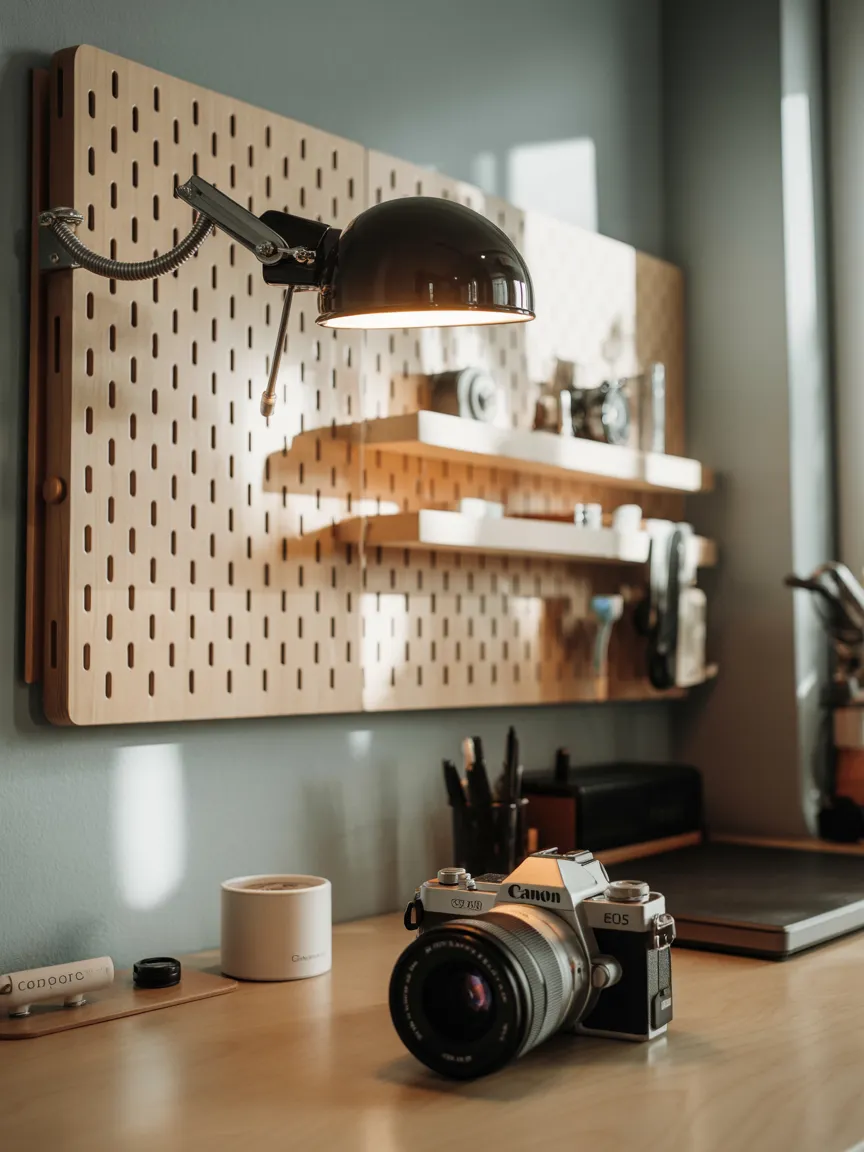
Mounting a clip lamp directly onto a pegboard above your desk keeps cords managed, light directed, and desk surface completely clear — a setup that looks organized in a way that feels almost effortless. This works especially well in small bedroom office setups where the pegboard doubles as storage. It is one of the most underrated minimalist home office task lighting setups for small bedrooms you can put together for under $60 total.
11. The Slim Bar LED Desk Lamp
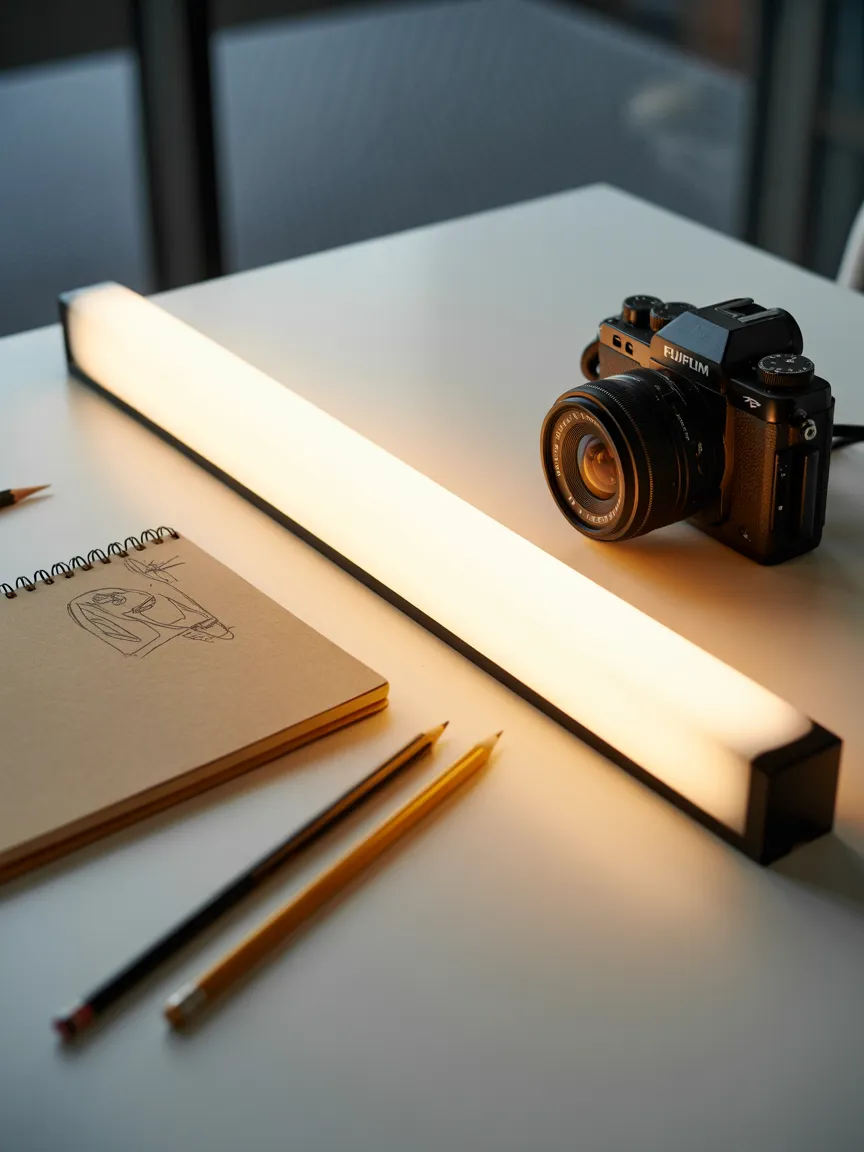
A horizontal LED bar lamp sits flat along the back edge of your desk like a light shelf, casting an even wash of daylight-balanced illumination across the whole surface without any shadows. This is the move for anyone who draws, sketches, or works with physical materials that need consistent color rendering. Look for one with a CRI rating above 90 for the most accurate light quality.
12. The Adjustable Tripod Floor Lamp Used as a Desk Light
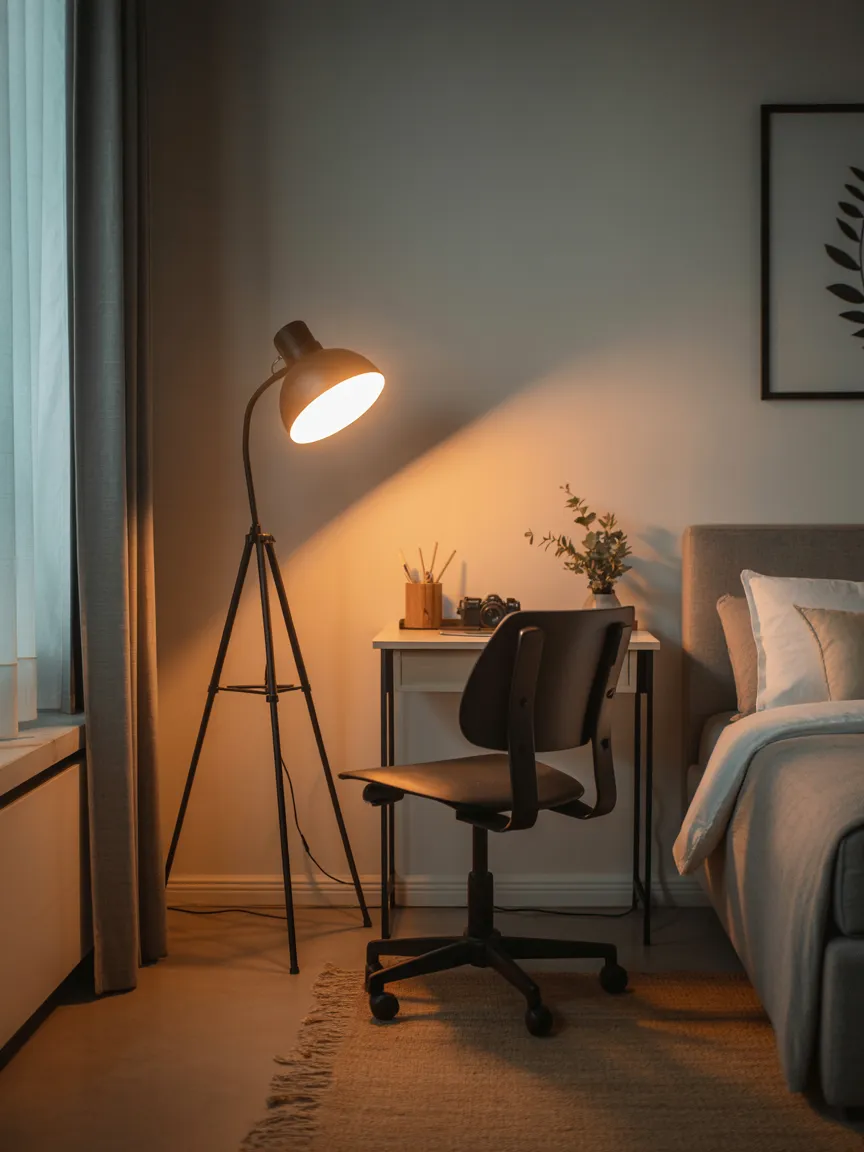
A slim tripod floor lamp positioned beside a desk at head height does the job of a task lamp without touching the desk surface at all — a genuinely clever workaround for tiny desks. Choose a shade with a directional interior so the light focuses downward rather than flooding the whole room. This pairs beautifully with the kind of thoughtful room styling you see in well-curated small space decor ideas.
What I Wish I’d Known Before I Started
Nobody tells you that the position of your lamp matters as much as the lamp itself. The rule of thumb — and I learned this the embarrassing way after months of squinting — is that if you are right-handed, your lamp should come from the left, and vice versa. That way your writing hand does not cast a shadow across your own work. It sounds obvious in retrospect. It was not obvious to me at all when I was buying my third lamp in two years wondering why I still had eye strain.
The other thing I wish someone had said plainly: lumens are not the same as watts, and the number on the box is not the whole story. For focused study table task lighting, you want somewhere between 450 and 800 lumens aimed directly at your work surface — not the ceiling, not the room, your actual desk. A lamp with 1500 lumens pointed at the wall is less useful than a 500-lumen lamp aimed precisely where you need it. Knowing how to position a task lamp on a study table to avoid screen glare changed everything for me. Angle the light slightly behind and to the side of your monitor, never in front of it.
Smart and Tech-Forward Desk Lighting for the Modern Workspace
These designs bring integrated smart desk controls and wireless convenience into a workspace that actually looks good.
13. The Lamp with Wireless Charging Base
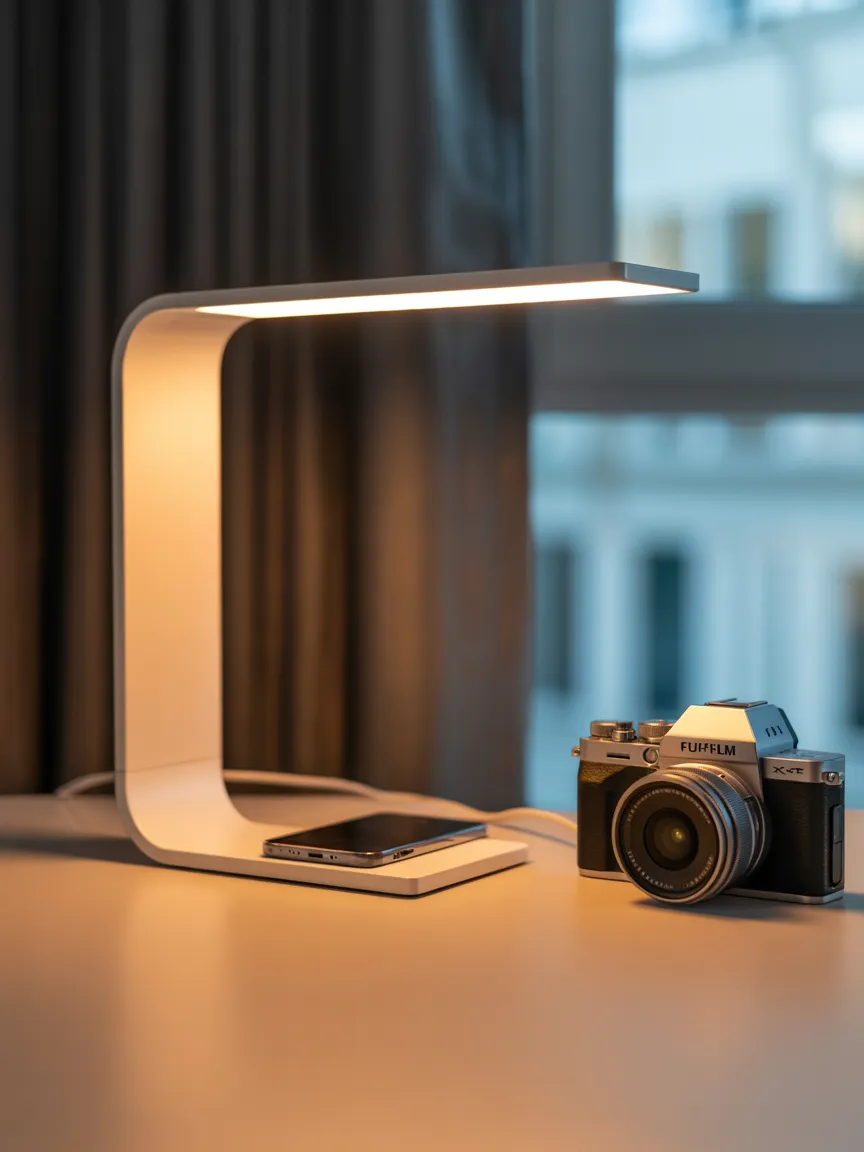
A wireless charging lamp base lets you drop your phone face-down while you work — out of sight, charging, not tempting you — which is a productivity feature disguised as a convenience feature. The best versions have a flat Qi pad built flush into the base so there is no visual clutter. This is the one lamp upgrade that changes your daily routine without you even noticing it happened.
14. The Touch-Dimmer Lamp with Color Temperature Control
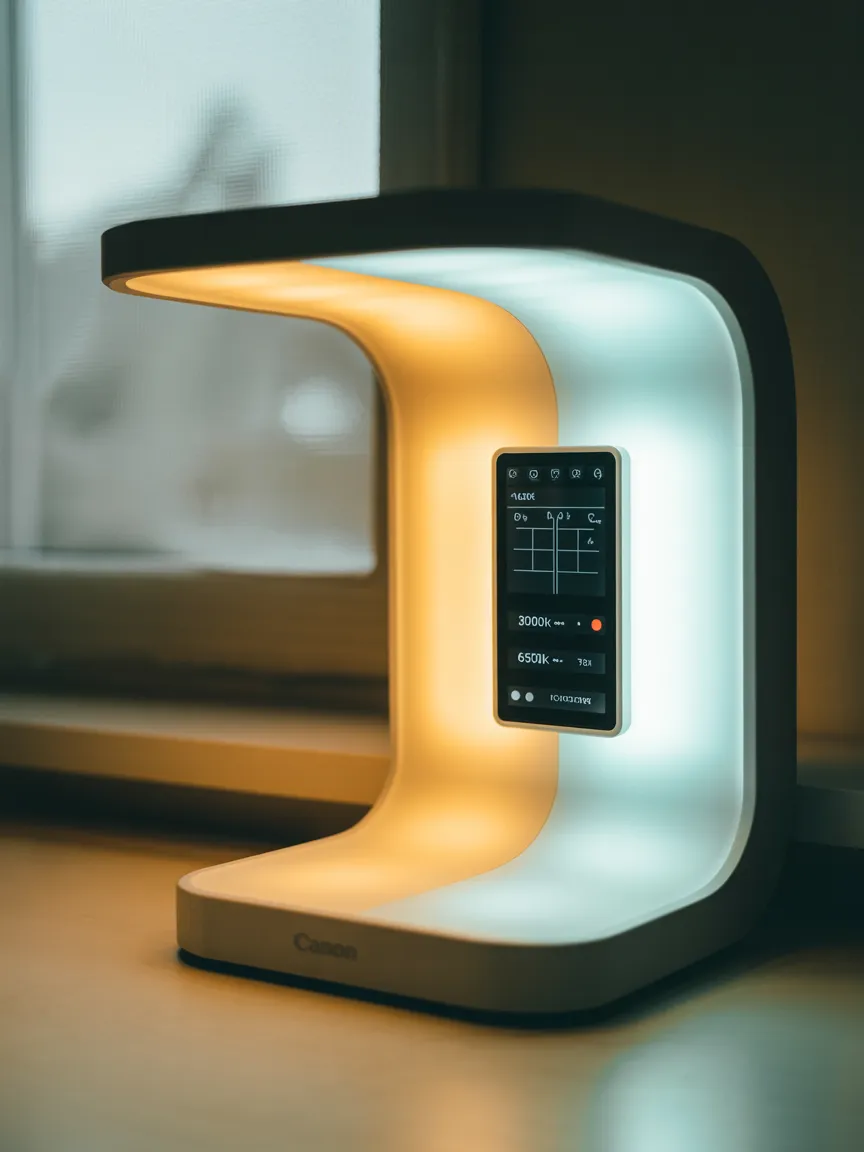
Being able to shift between 3000K warm and 6000K cool from the same lamp means your desk light can support a morning reading session and an afternoon deep-work sprint without you swapping anything. A simple touch panel on the base is more reliable than app-controlled versions that require a Wi-Fi connection to do basic things. Look for one with at least five brightness levels and three color temperatures.
15. The USB-A and USB-C Hub Lamp Base
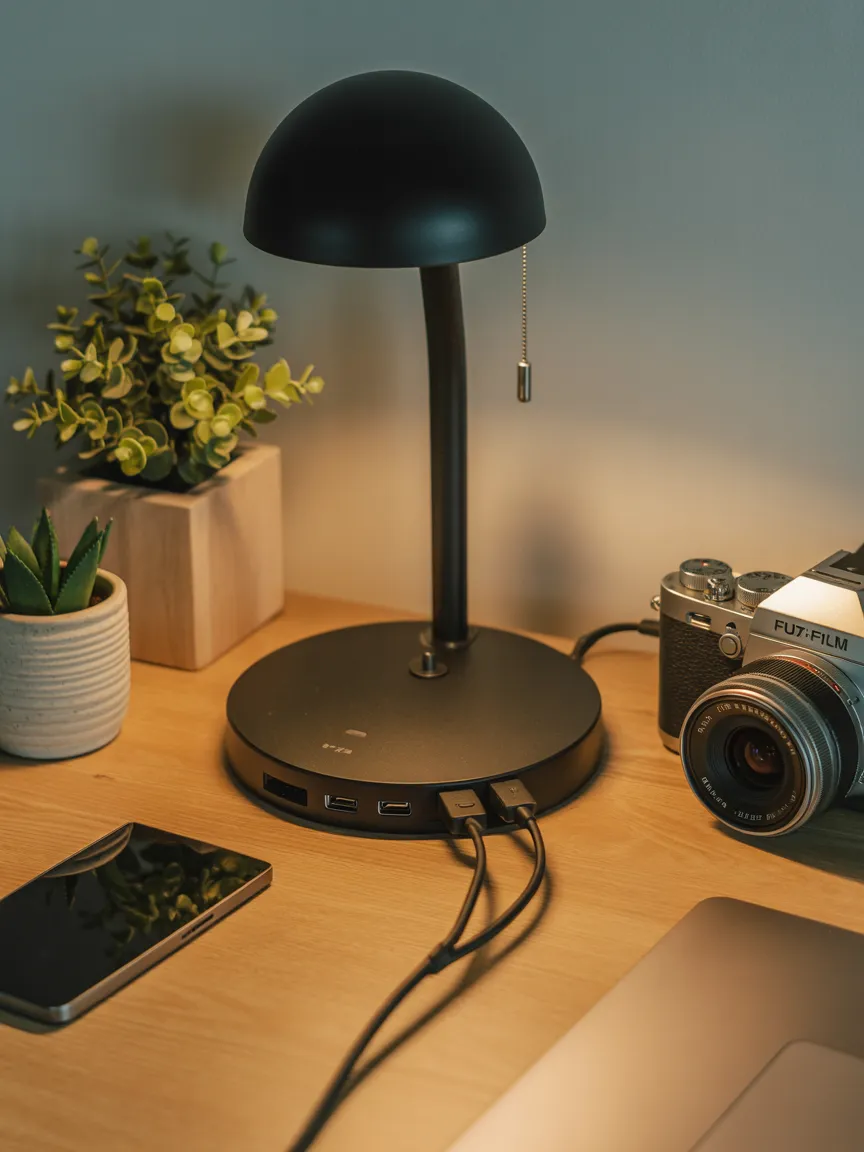
A lamp base with built-in USB ports consolidates your charging cables in one place and removes at least two adapters from your power strip — a small thing that makes a desk look dramatically tidier. Prioritize a model with USB-C Power Delivery if you charge a laptop, not just a phone. This is the kind of functional home office decor that earns its place on a desk every single day.
16. The App-Controlled Smart Desk Lamp
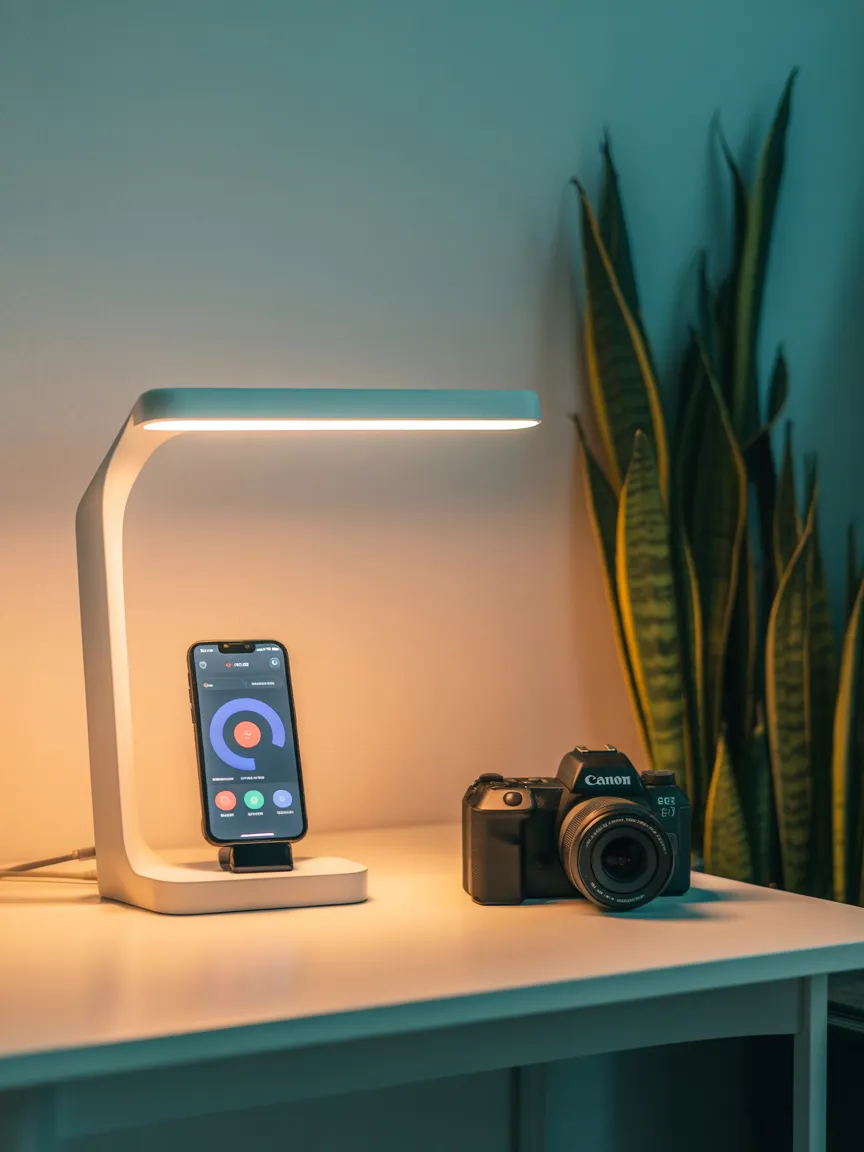
Smart lamps that sync with your calendar or set automatic dimming schedules sound gimmicky until you realize you have been working under harsh light at 10 PM for months and wondering why you cannot sleep. The best ones use Matter or Zigbee protocols so they work with whatever smart home system you already have. Skip the ones that only work with a proprietary app — those tend to get abandoned after a software update.
Designer Aesthetic Lamps That Earn Their Spot on Instagram and Your Desk
These are the aesthetic desk lamp for college and home office setups that photograph beautifully and still do the actual job.
17. The Rattan Shade with LED Filament Bulb
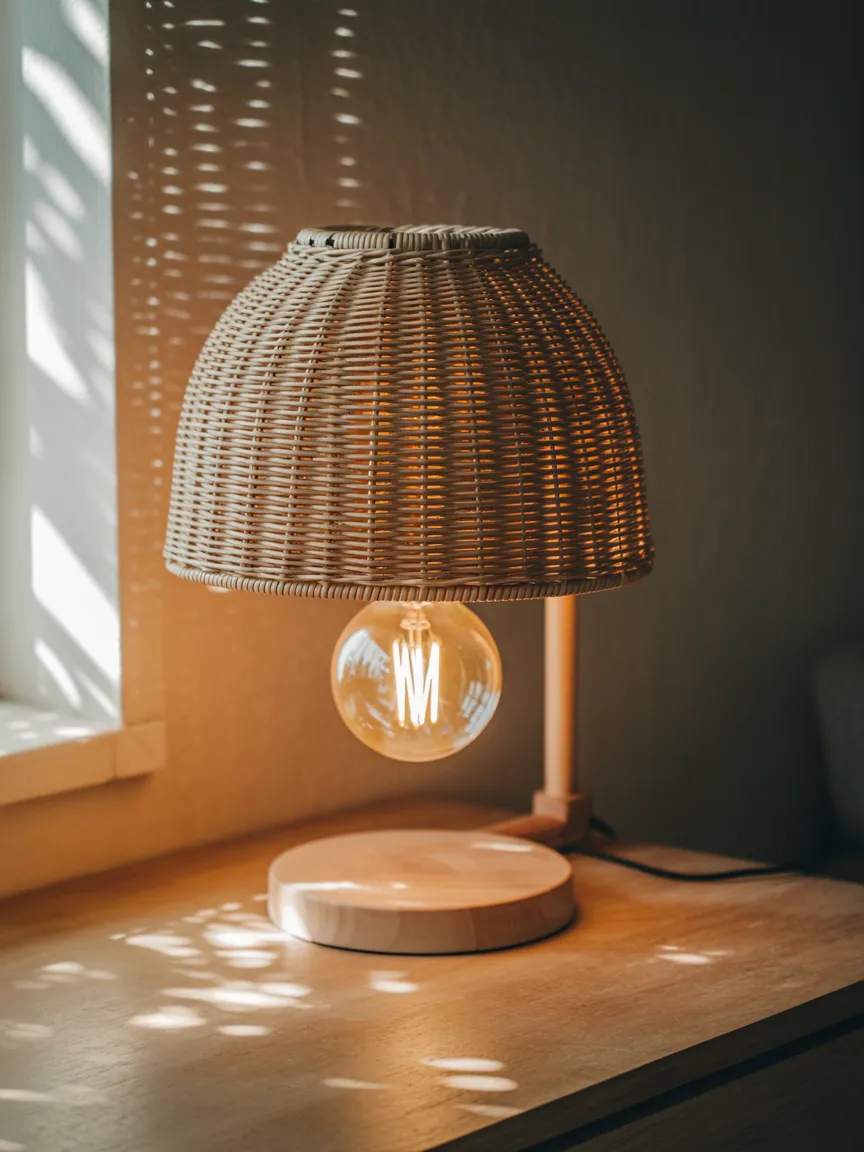
A woven rattan shade casts the most beautiful dappled light pattern across a desk surface — warm, textural, genuinely pretty — but you need to pair it with a daylight LED filament bulb or the warmth tips into “too dim to read” territory fast. This look works especially well alongside natural wood desk surfaces and linen accessories. It is one of the most aesthetic desk lamp ideas that still functions properly if you choose the right bulb.
18. The Matte White Ceramic Base Lamp
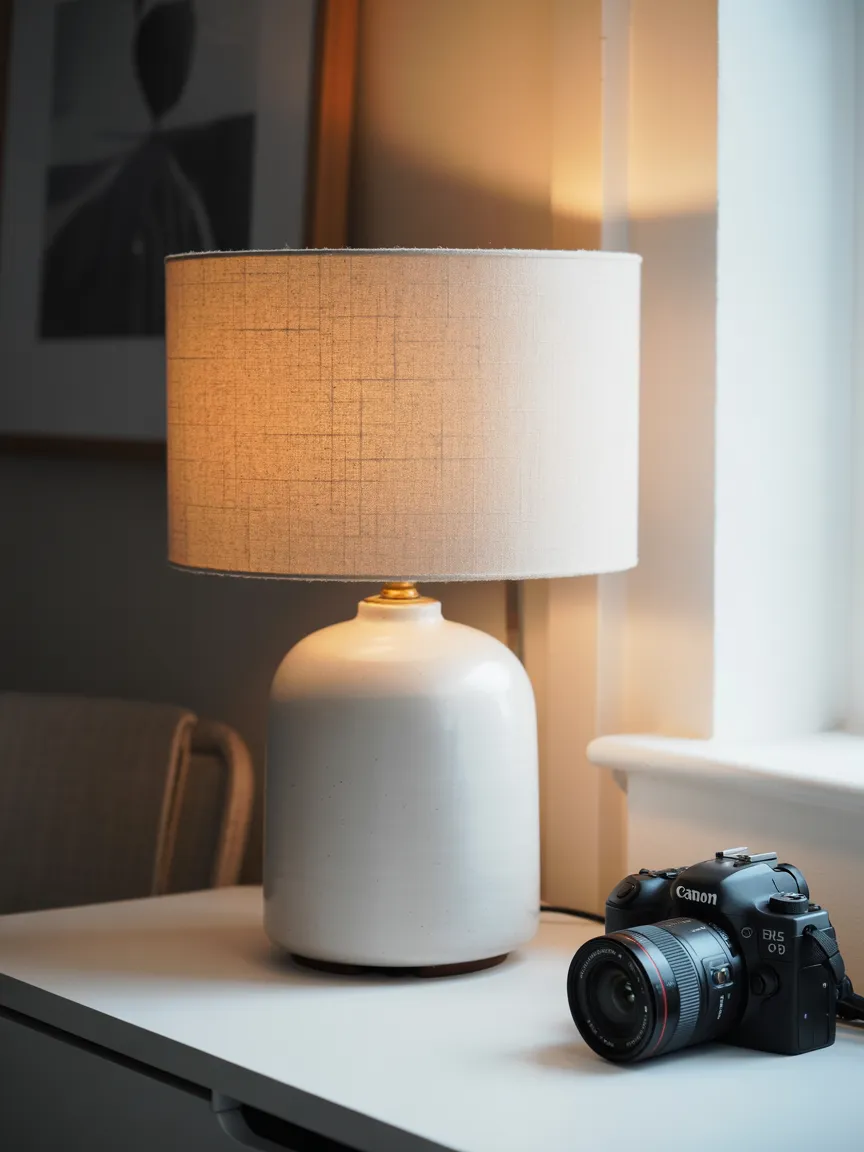
A ceramic base in matte white or off-white brings a quiet, gallery-like quality to a desk setup without competing with anything else on the surface. Pair it with a drum shade in natural linen for a look that feels at home in the same room as the kind of clean, minimal white interiors that never go out of style. The weight of ceramic also means this lamp will not tip when you bump the desk at midnight.
19. The Smoked Glass Globe Lamp
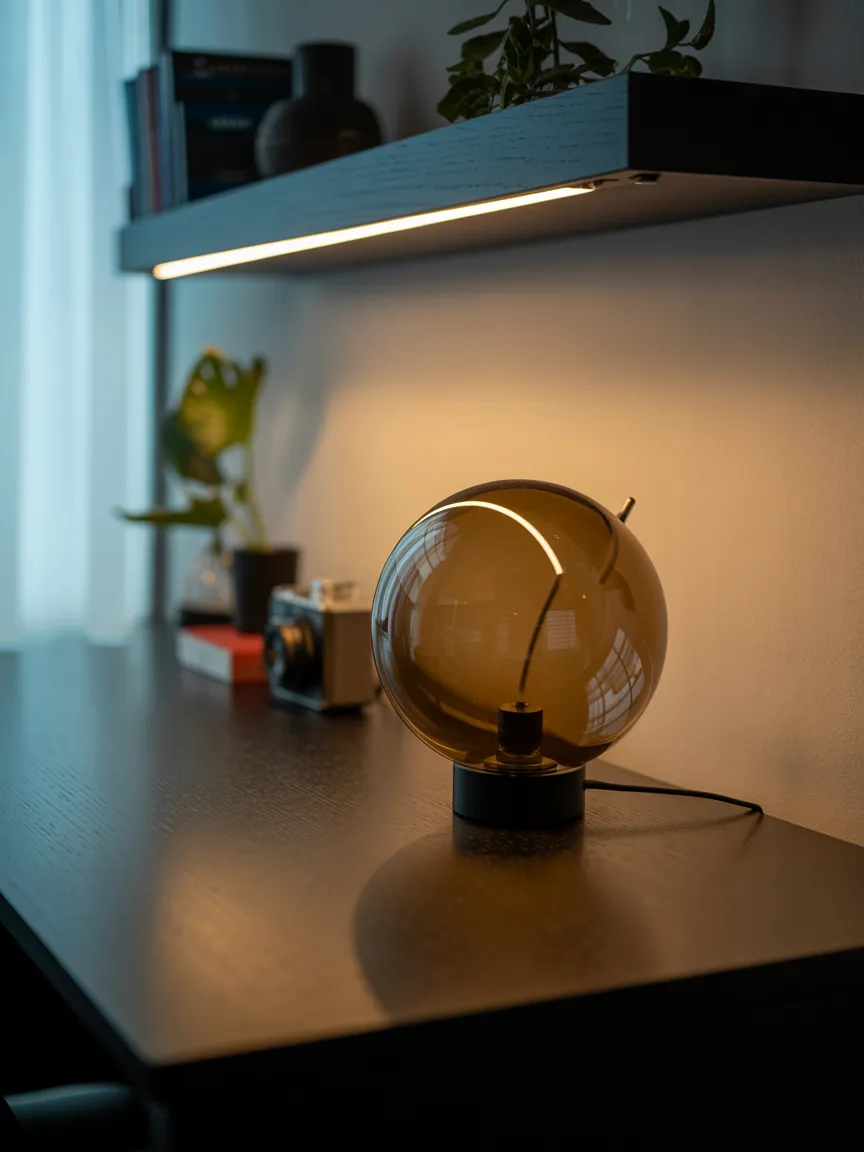
A smoked or amber glass globe diffuses light softly in every direction, which makes it better for ambient desk lighting than focused task work — but layered with an under-shelf LED strip, it creates a genuinely sophisticated two-source lighting setup. The globe shape reads as intentional and slightly sculptural on a styled desk. Use this as your secondary light, not your only one.
20. The Matte Sage Green Metal Lamp
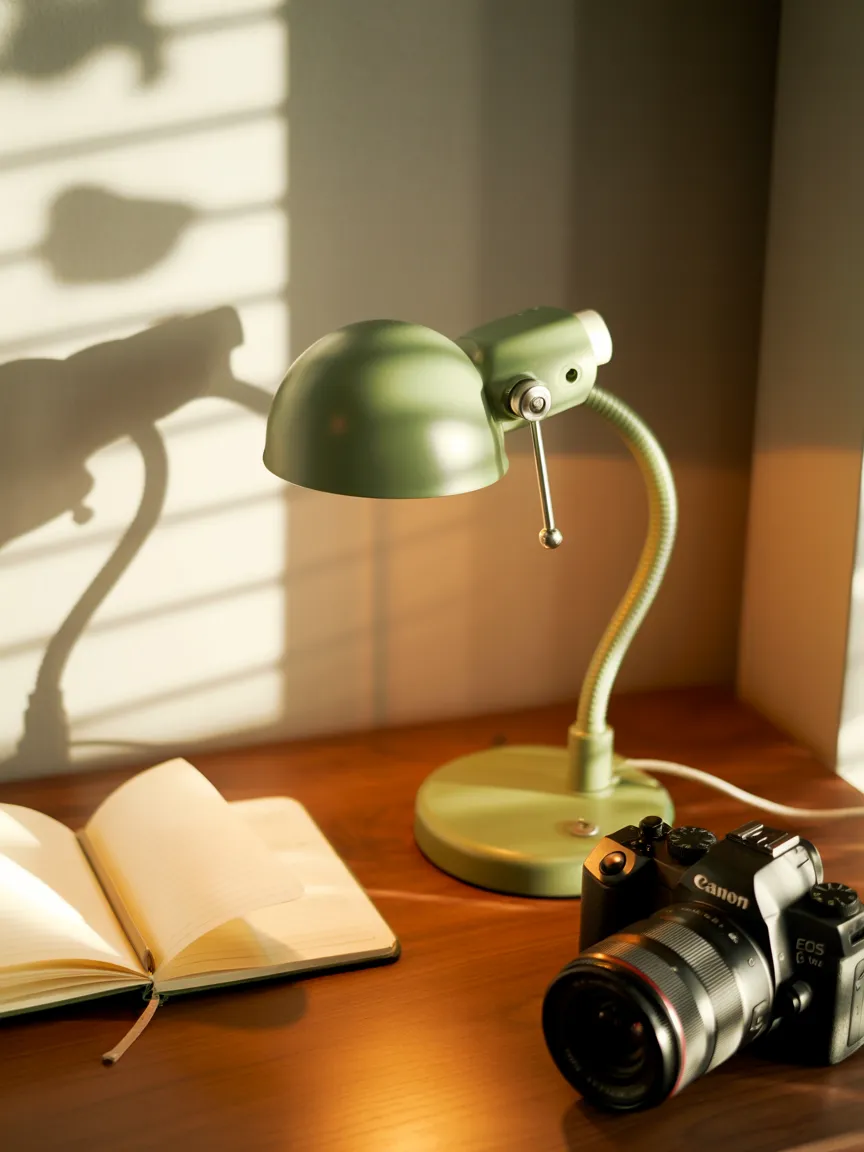
Sage green powder-coated metal is having a quiet moment in designer desk lighting aesthetic right now, and it earns it — the color is neutral enough to work with warm wood, white walls, and even the kind of deep moody tones you see in dramatic dark interiors. A slim adjustable neck in this finish looks expensive at a price point that is not. This is the color I wish I had chosen for my own desk lamp two years ago.
Layered and Multi-Source Lighting Setups for Serious Workspaces
One lamp is rarely enough — here is how to build a lighting setup that actually supports hours of focused work.
21. The Under-Shelf LED Strip Plus Task Lamp Combo
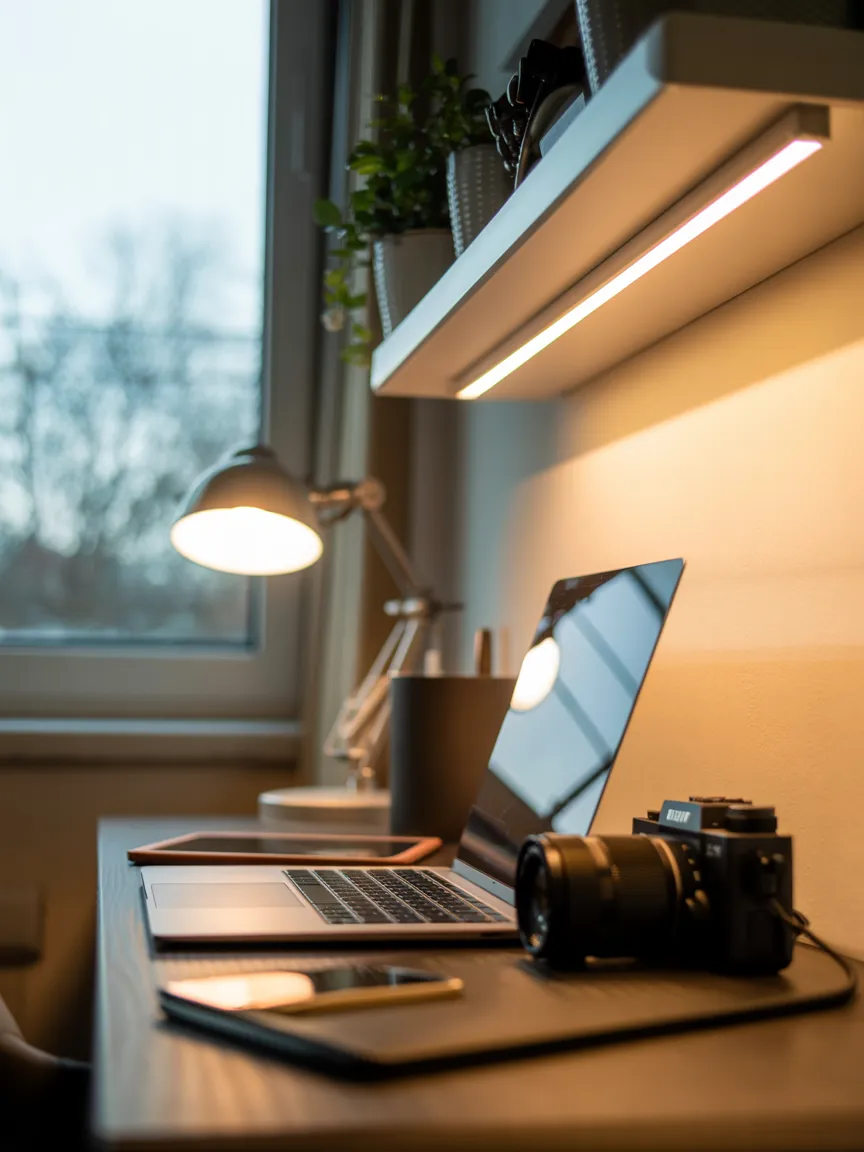
Running a daylight-balanced LED strip along the underside of a floating shelf above your desk creates a soft wash of background light that reduces the contrast between your bright screen and a dark room — which is the actual cause of most screen-related eye strain. Pair it with a directional task lamp for your notebook or reading materials. This two-source approach is what professional home office workspace lighting designers recommend, and it genuinely works.
22. The Monitor Bias Light Combined with a Side Task Lamp
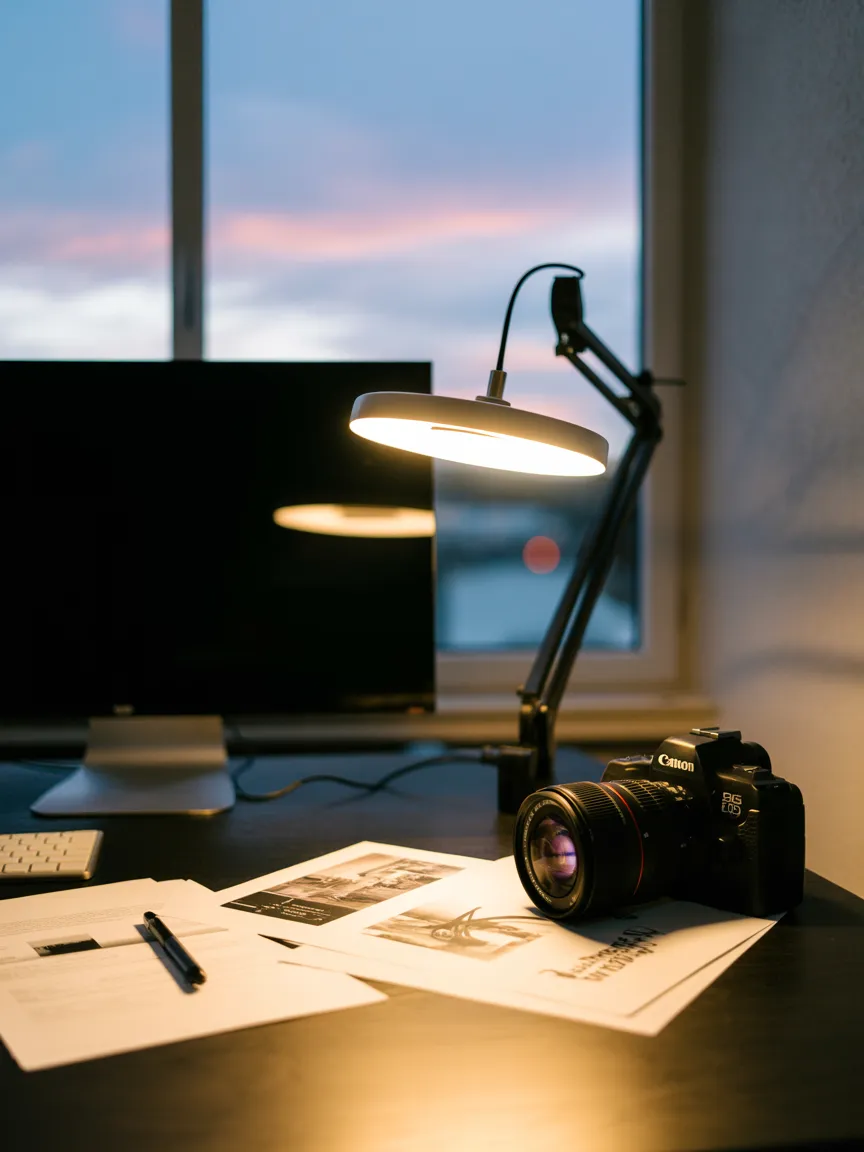
A bias light strip mounted behind your monitor at the same color temperature as your screen reduces the halo effect that makes long screen sessions exhausting — it is a well-documented ergonomic fix used in video editing suites and broadcast studios. Add a swing arm task lamp to the side for paper-based work and you have covered every angle. The whole setup costs less than one mid-range desk lamp if you source the bias light strip separately.
23. The Pendant Light Directly Over a Freestanding Desk
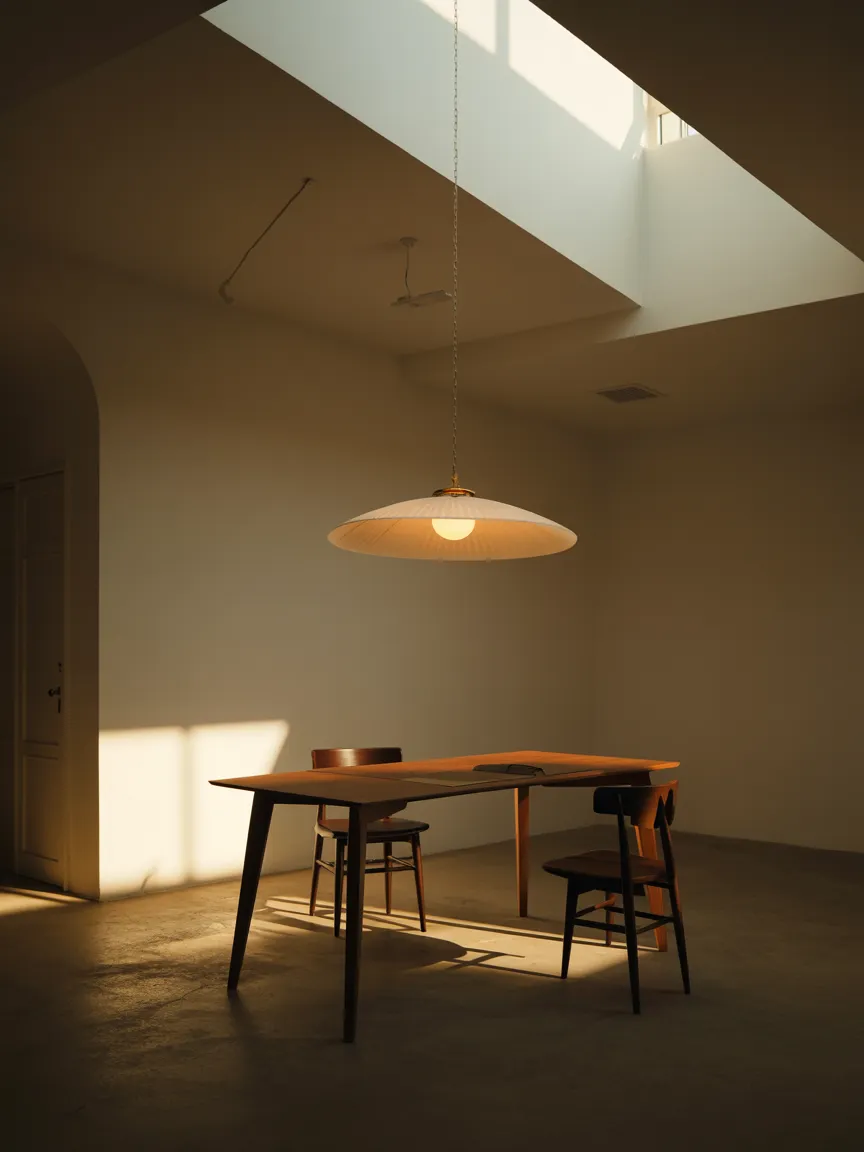
A pendant light hung low over a freestanding desk — especially in a room with high ceilings — creates a defined, almost intimate work zone that feels intentional and focused. This works best with a directional shade that pushes light downward rather than a globe that scatters it. If you love the cohesive room-wide styling approach, this kind of lighting decision belongs in the same conversation as thoughtful living room design choices — it shapes the whole room, not just the desk.
The Stuff I Learned the Hard Way So You Don’t Have To
If you feel overwhelmed looking at lamp options, start with one question: do I need to light a physical surface (notebook, book, keyboard) or reduce screen glare? Those are different problems with different solutions. A directional cone-shade task lamp solves the first. Bias lighting and indirect sources solve the second. Pick your primary problem first, then shop.
Renters, you have more options than you think. Clamp lamps, weighted-base floor lamps, and adhesive-mounted swing arms all require zero drilling and leave no trace. The design world has caught up to renter needs in the last five years, and the options actually look good now — not like dorm room compromises.
Budget is real, and I am not going to pretend otherwise. The honest truth is that you can build an excellent desk lighting setup for under $80 if you prioritize a good clamp lamp with a daylight LED bulb over a beautiful lamp with the wrong color temperature. The bulb is more important than the base. Spend on the light quality first.
The mistake beginners make almost universally is buying a lamp that looks beautiful in a lifestyle photo and then discovering it casts light in every direction except where they actually work. Always check the shade direction and beam angle before purchasing — a downward-facing shade is non-negotiable for real task work. If the product photo shows the shade pointing sideways, keep scrolling.
To make a desk lighting setup look intentional rather than random, stick to two metals maximum and one color temperature throughout. If your lamp is matte black, your monitor stand and pen holder should echo that finish. If you love the warm look of modern farmhouse styling, carry it through in your lamp base material — raw wood, aged brass, or linen shades all speak the same visual language. Cohesion is what separates a styled desk from a cluttered one.
Today, do exactly one thing: check the color temperature of the bulb currently in your desk lamp. If it is below 3500K, swap it for a 4000K daylight LED — most standard bulb sockets take them, they cost about four dollars, and your eyes will thank you by tomorrow morning. Start there. Everything else can wait.


