
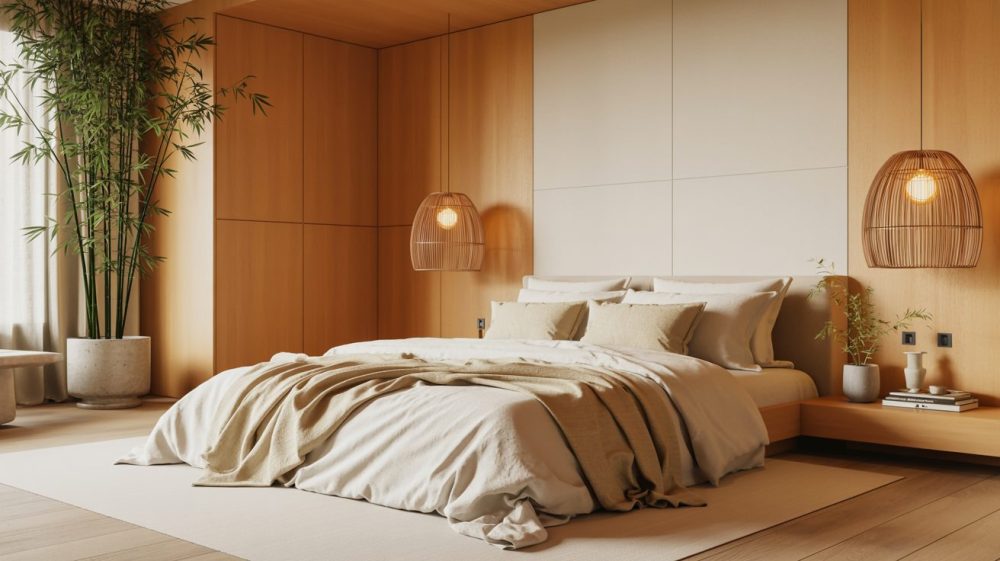
25 Japandi Bedroom Concepts That Blend Scandinavian Comfort with Zen
Ever found yourself scrolling through beautiful home feeds, craving a space that feels both effortlessly cozy and profoundly serene? I certainly have. For years, my bedroom felt like a patchwork of trends, a little bit of this, a little bit of that, but never truly a sanctuary. I longed for that quiet whisper of calm, that inviting embrace that helps you truly unwind after a long day. If you’re nodding along, picturing a retreat that’s decluttered yet warm, minimalist yet soulful, then you’re ready for the magic of Japandi interior design. It’s the sweet spot where Scandinavian hygge meets Japanese wabi-sabi, creating spaces that nourish the soul. Join me as we explore 25 Japandi bedroom concepts that promise to transform your apartment into a haven of balanced beauty.
My Journey from Clutter to Calm (So You Don’t Have To)
My first attempt at creating a peaceful bedroom was a chaotic disaster, to be honest. I thought minimalism meant emptying out everything, leaving stark white walls and a single, lonely plant. The result was cold, uninviting, and certainly not the soothing retreat I craved. Then I swung to the other extreme, trying to infuse “cozy” with every soft blanket and decorative trinket I could find, which quickly led to overwhelming clutter. My biggest mistake was misunderstanding that true tranquility comes from careful curation, not just stripping back or adding more.
I learned the hard way that a truly serene space isn’t about rigid rules, but about intentional choices that speak to simplicity and quality. It’s about finding balance. The room felt incomplete, a collection of disconnected ideas rather than a cohesive whole. The single biggest lesson from that early bedroom struggle was this: Authentic calm in a space comes from intentional design, not just following trends blindly. It’s about creating harmony between form and function.
The Essence of Japandi Bedroom Design
Japandi is all about harmonizing two distinct yet complementary aesthetics. These core principles form the foundation of creating a truly serene and functional interior.
1. Low-Profile Platform Beds
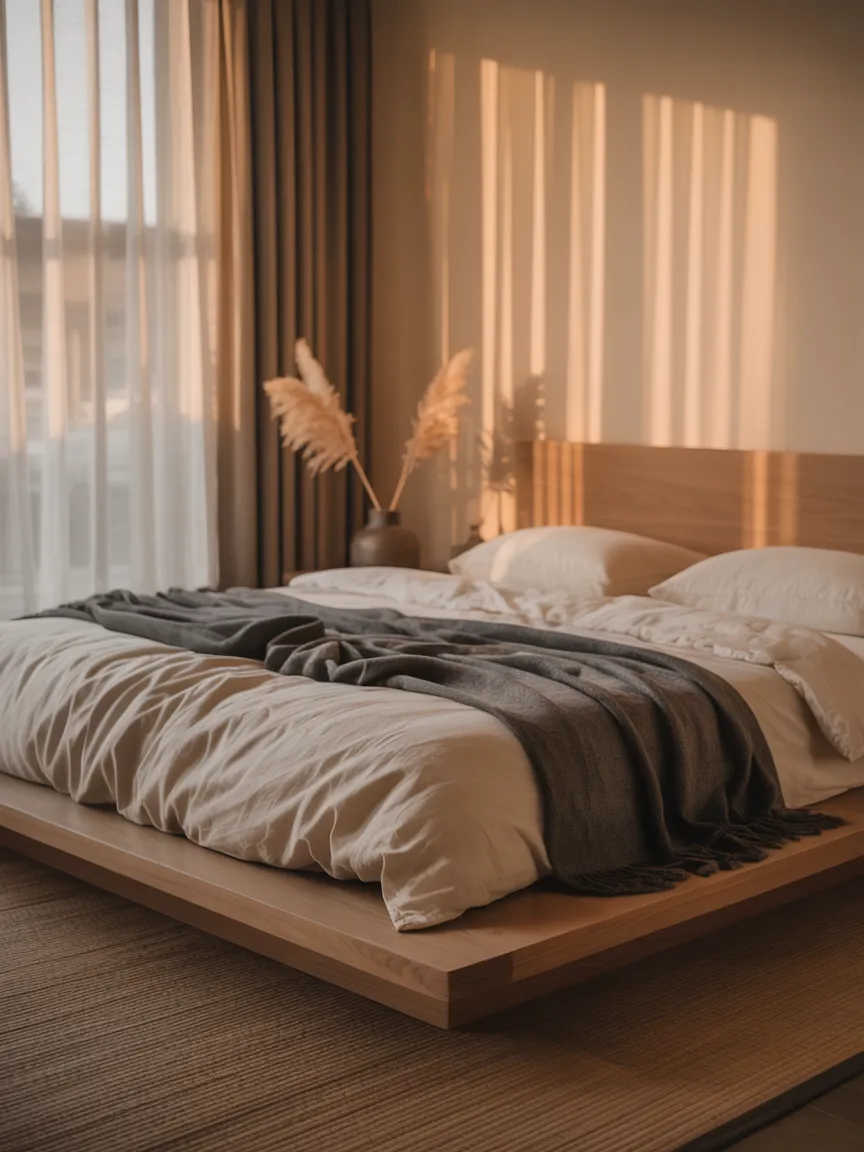
Embrace grounded serenity with a low-profile platform bed, a signature element of both Japanese and Scandinavian design. This style promotes a feeling of openness and calm, keeping your sleep space close to the earth. Choose one made from light wood textures like birch or ash for an authentic feel. A low bed instantly creates a minimalist, airy ambiance in your Japandi bedroom.
2. A Neutral Color Palette, Layered
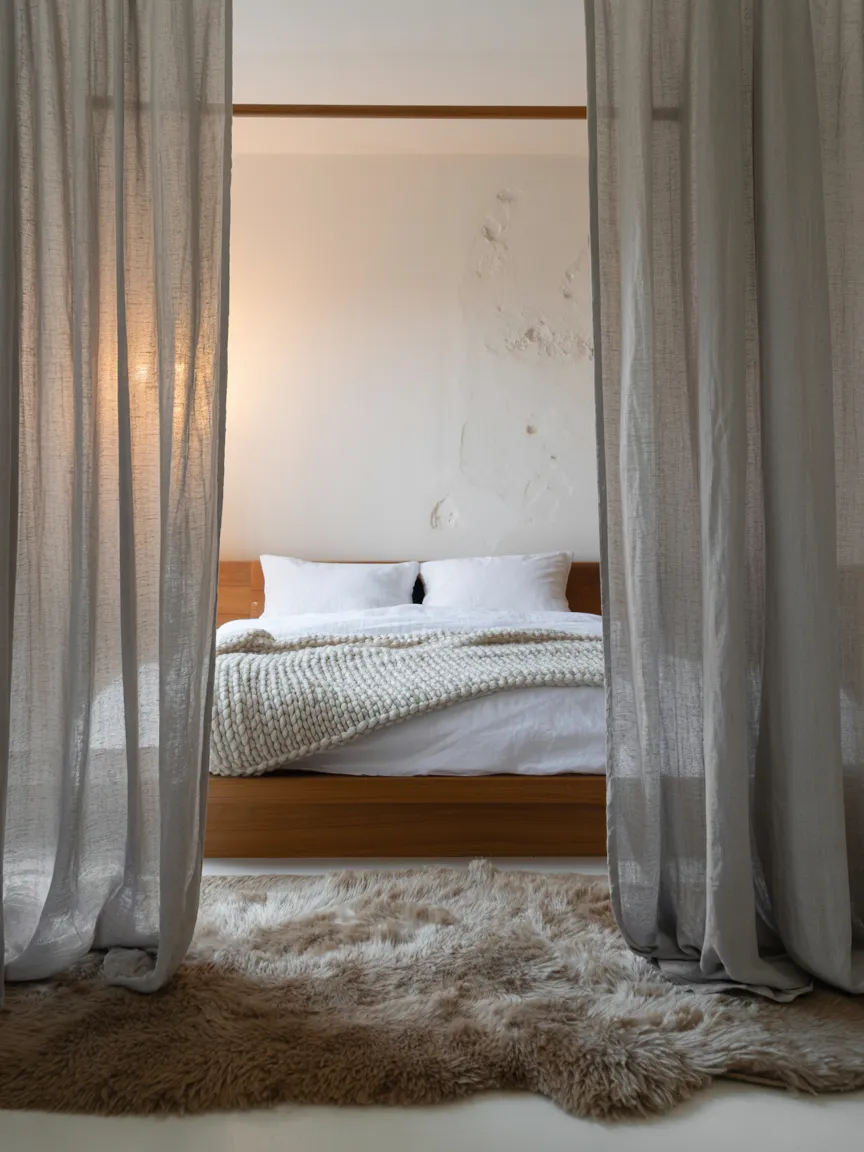
The Japandi aesthetic thrives on a neutral color palette, but it’s far from boring. Think warm whites, soft greys, serene beiges, and muted earthy tones like sage green or terracotta. Layer these shades through linen textiles, wall paint, and natural wood furniture to create subtle depth and warmth. Layered neutrals prevent sterility and build a gentle, inviting atmosphere. For inspiration, you might find some color palette ideas beneficial.
3. Natural Wood Textures (Light & Dark)
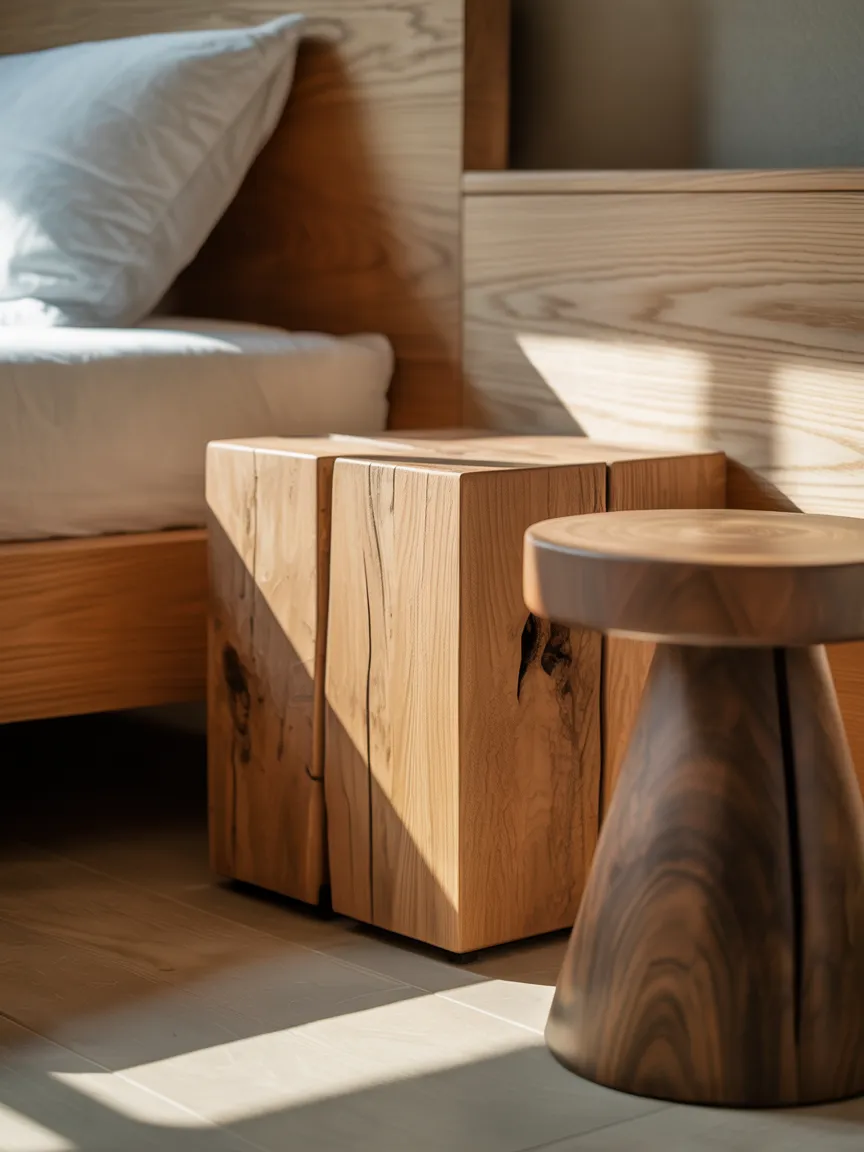
Introduce a variety of natural wood textures to add warmth and organic beauty. Contrast lighter woods like birch or pale oak (Scandi influence) with darker, richer woods like walnut or bamboo (Japanese influence). This dynamic interplay of tones is central to Japandi style. Mixing wood tones adds visual richness and an authentic, earthy feel.
4. Functional Interior Design with Hidden Storage
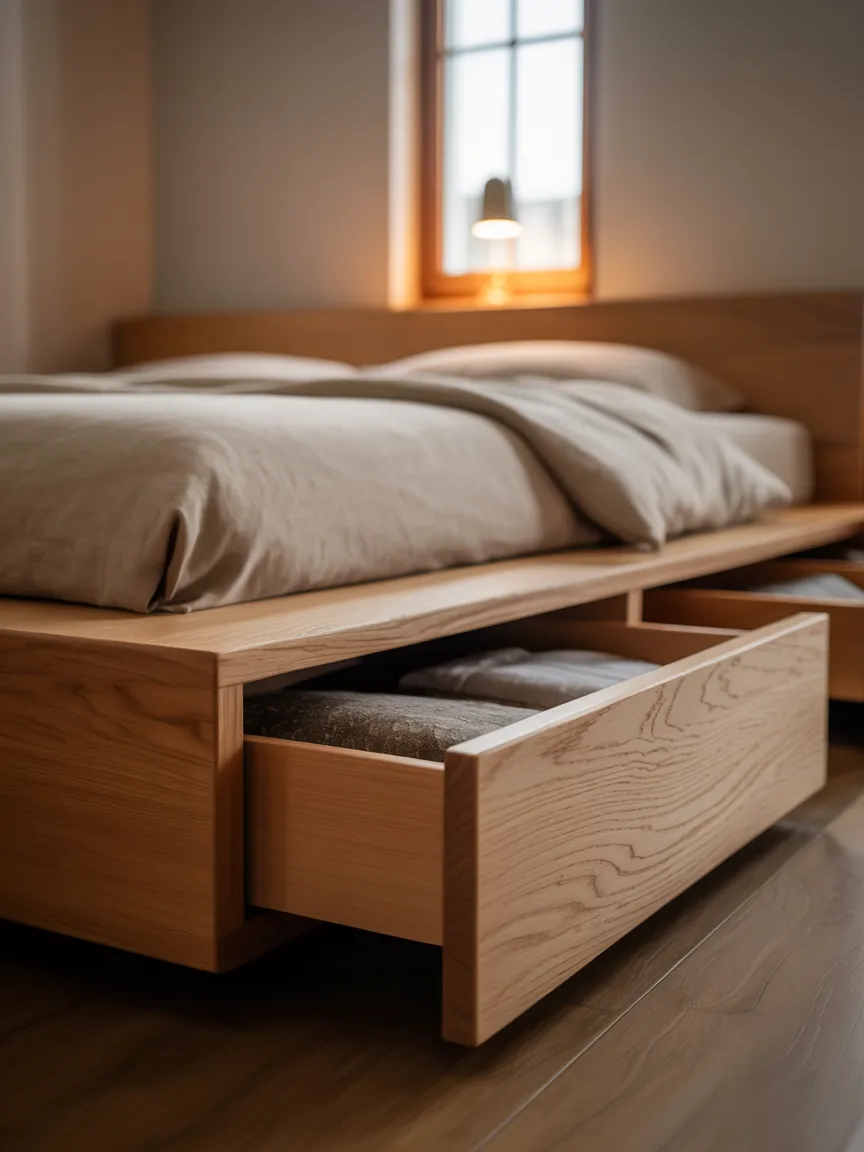
Clutter is the enemy of calm in Japandi design. Opt for furniture with integrated storage, like a platform bed with drawers, or sleek, minimal dressers that keep items out of sight. Every piece should serve a purpose, maintaining decluttered living spaces. Hidden storage is vital for a serene, functional, and tidy bedroom. You might like these bedroom dresser decor ideas that prioritize function.
5. Shoji-Inspired Room Dividers or Screens
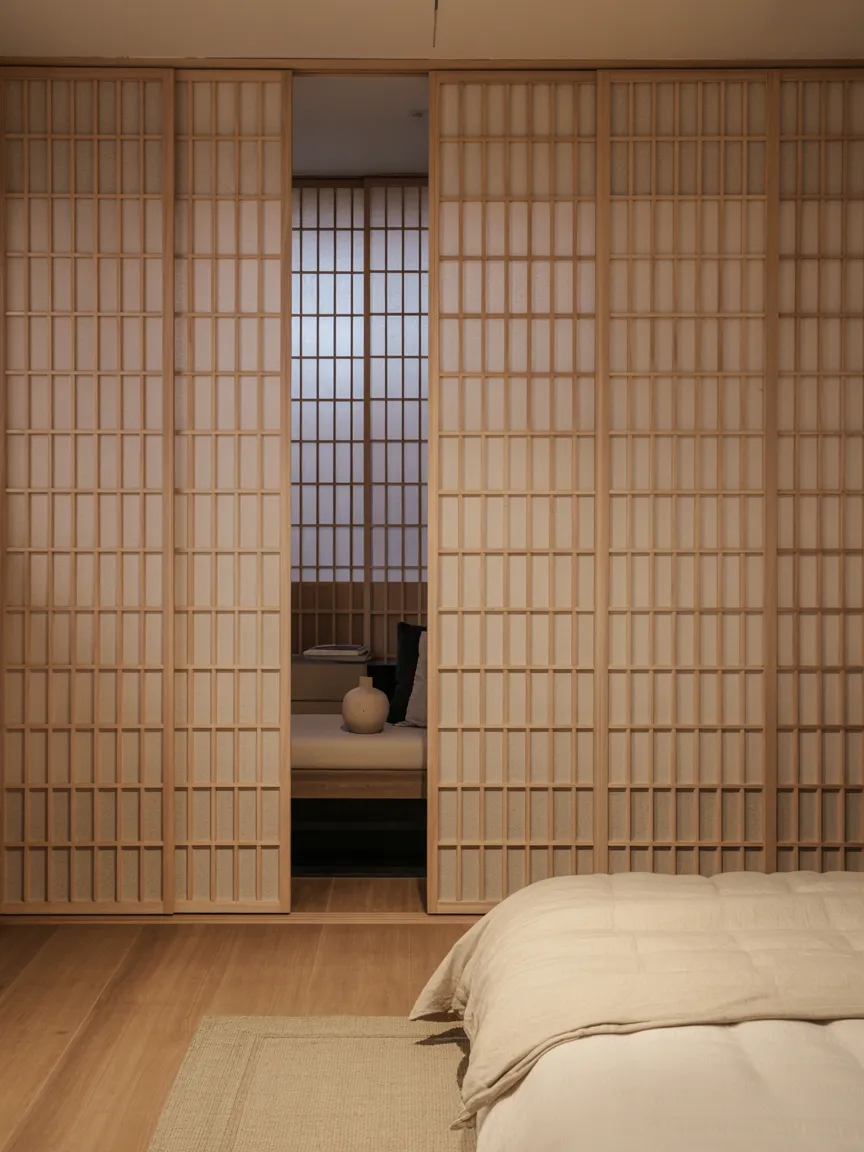
Introduce the delicate beauty and diffused light of a Shoji-inspired screen. These translucent panels, made from wood and rice paper, can function as headboards, room dividers, or simply decorative accents. They offer privacy without blocking natural light, embodying a Scandi-Japanese style. Shoji screens provide architectural interest and a soft, ethereal glow. For more divider ideas, see room divider ideas.
Materials & Textures: The Soul of Japandi Comfort
The beauty of Japandi lies in its tactile richness. These elements bring comfort, warmth, and an appreciation for natural imperfection into your bedroom.
6. Luxurious Linen Textiles

Embrace the soft, slightly wrinkled elegance of linen textiles for bedding, curtains, and throws. Linen’s natural texture and understated drape contribute to the relaxed, organic feel of a Japandi bedroom. Choose earthy tones like oat, charcoal, or muted olive for a soothing effect. Linen adds effortless luxury and breathable comfort, enhancing the cozy vibe.
7. Wabi-Sabi Inspired Ceramics
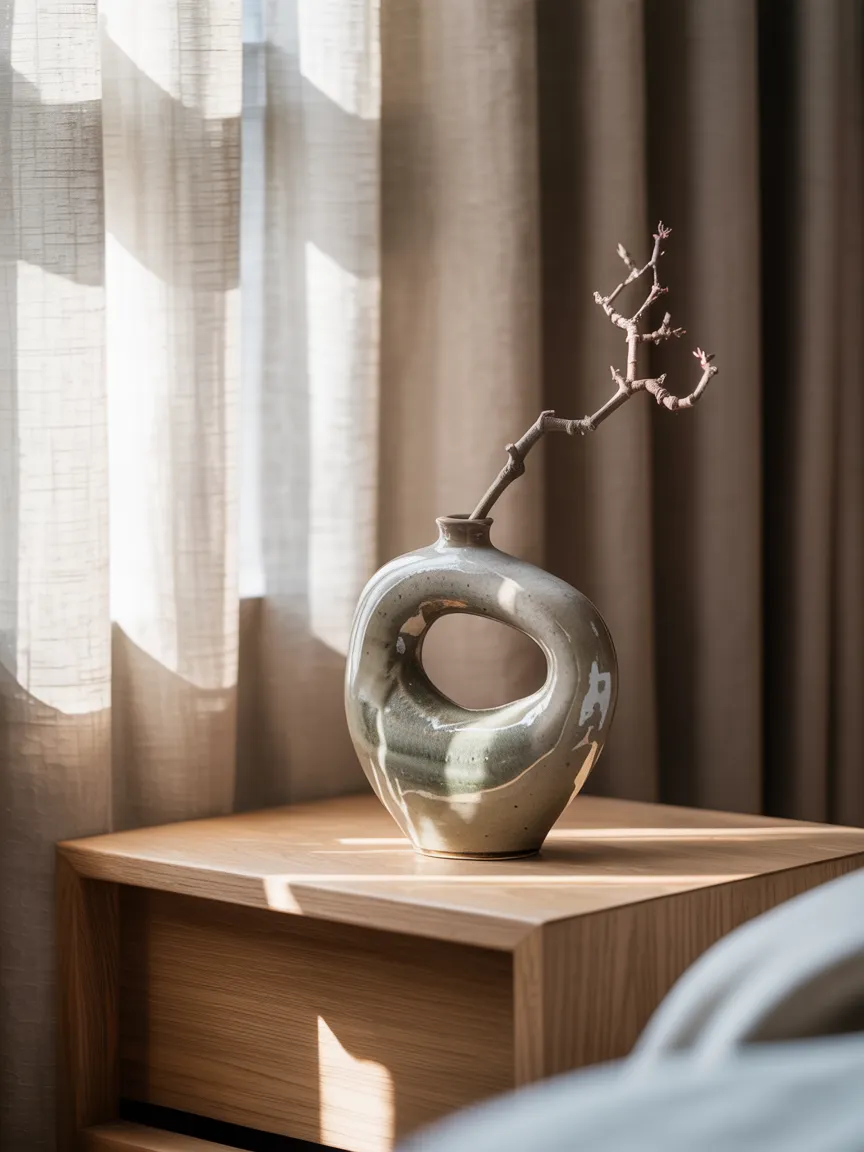
Incorporate Wabi-Sabi decor ideas through handcrafted ceramics with subtle imperfections. Think uneven glazes, organic shapes, and a slightly rough finish in vases, bowls, or small planters. These pieces celebrate beauty in imperfection and uniqueness. Wabi-Sabi ceramics add soul and authentic artistry to your space.
8. Exposed Concrete or Plaster Walls (Subtle)
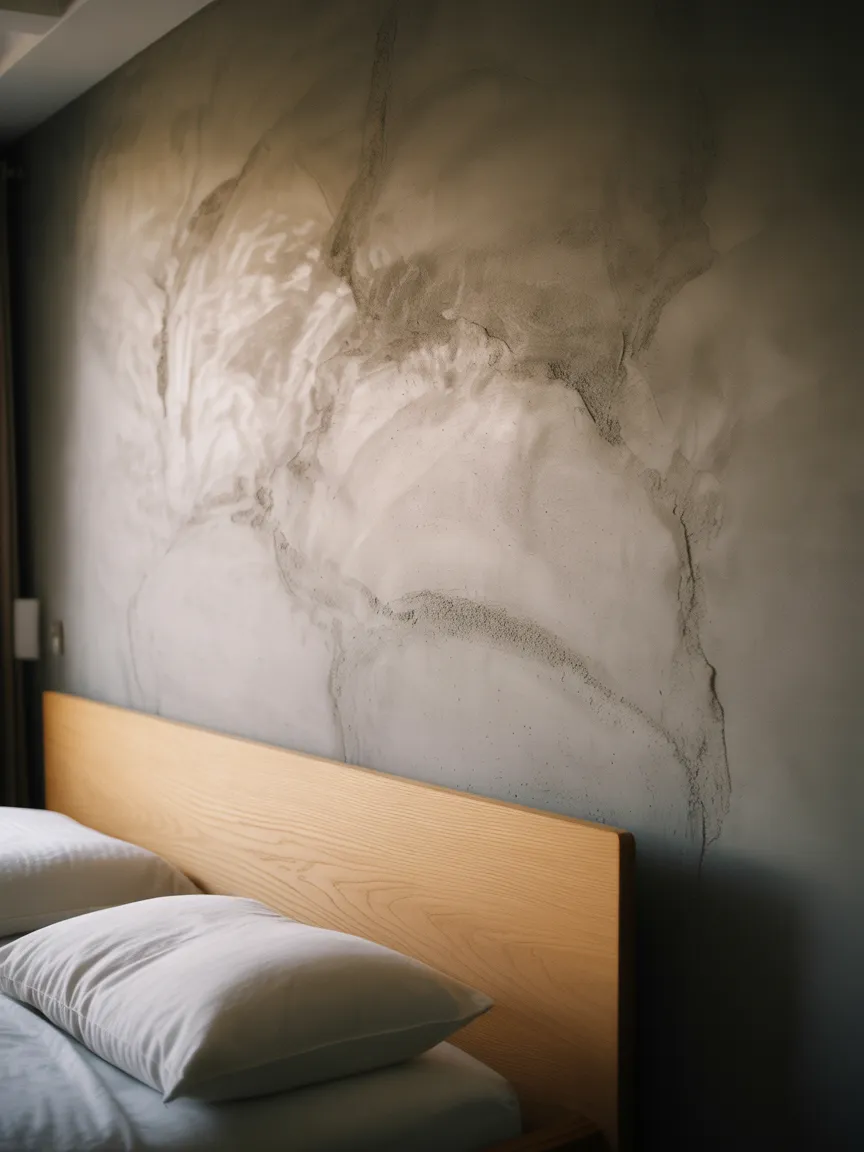
For a touch of raw, understated texture, consider an exposed concrete or subtly textured plaster accent wall. This industrial-meets-organic element contrasts beautifully with soft textiles and warm wood, offering a refined, modern minimalist home feel. It grounds the space with an unpretentious, natural vibe. Raw wall textures provide a sophisticated, elemental backdrop for serene design.
9. Soft Wool or Jute Area Rugs
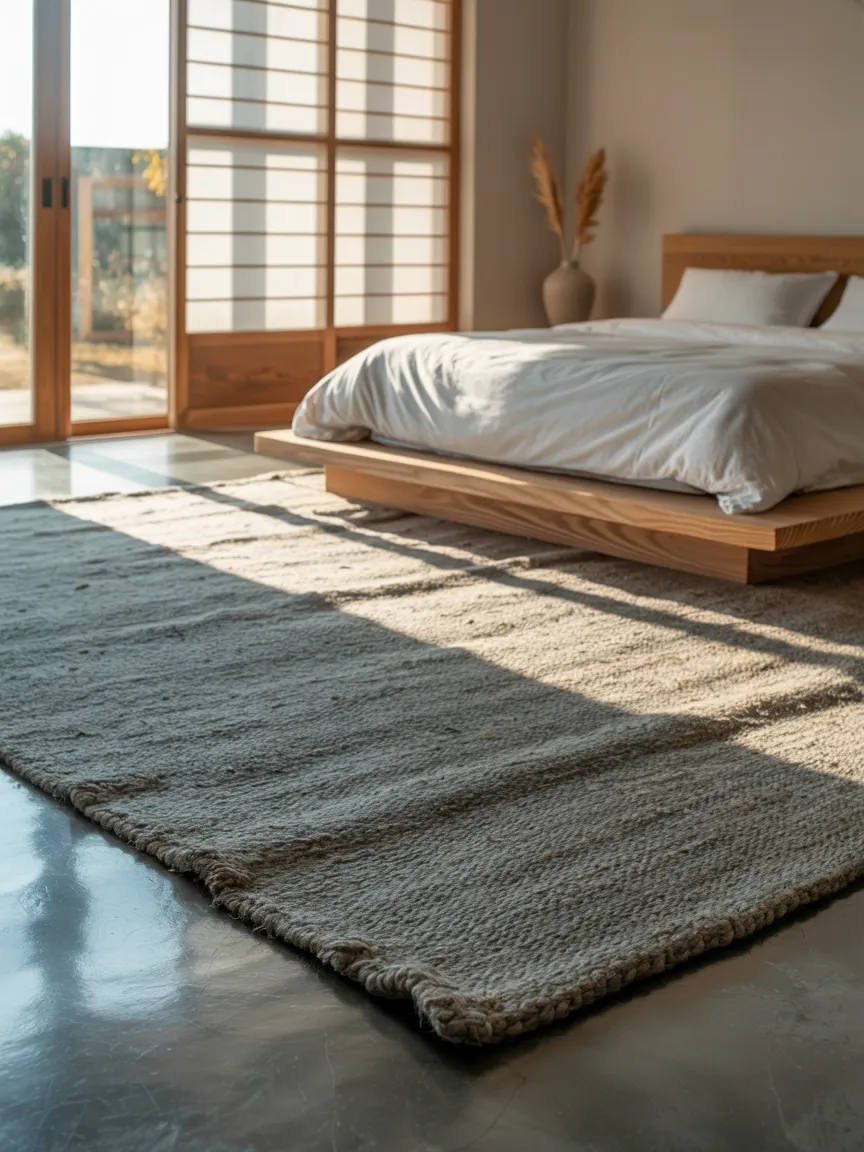
Ground your bedroom with a soft, natural fiber area rug made from wool or jute. These materials add warmth, acoustic dampening, and a tactile sensation underfoot. Choose a simple, understated pattern or a solid texture in a neutral shade to maintain the serene aesthetic. A natural rug adds vital warmth and defines your sleep zone.
10. Minimalist Lighting with Organic Shades
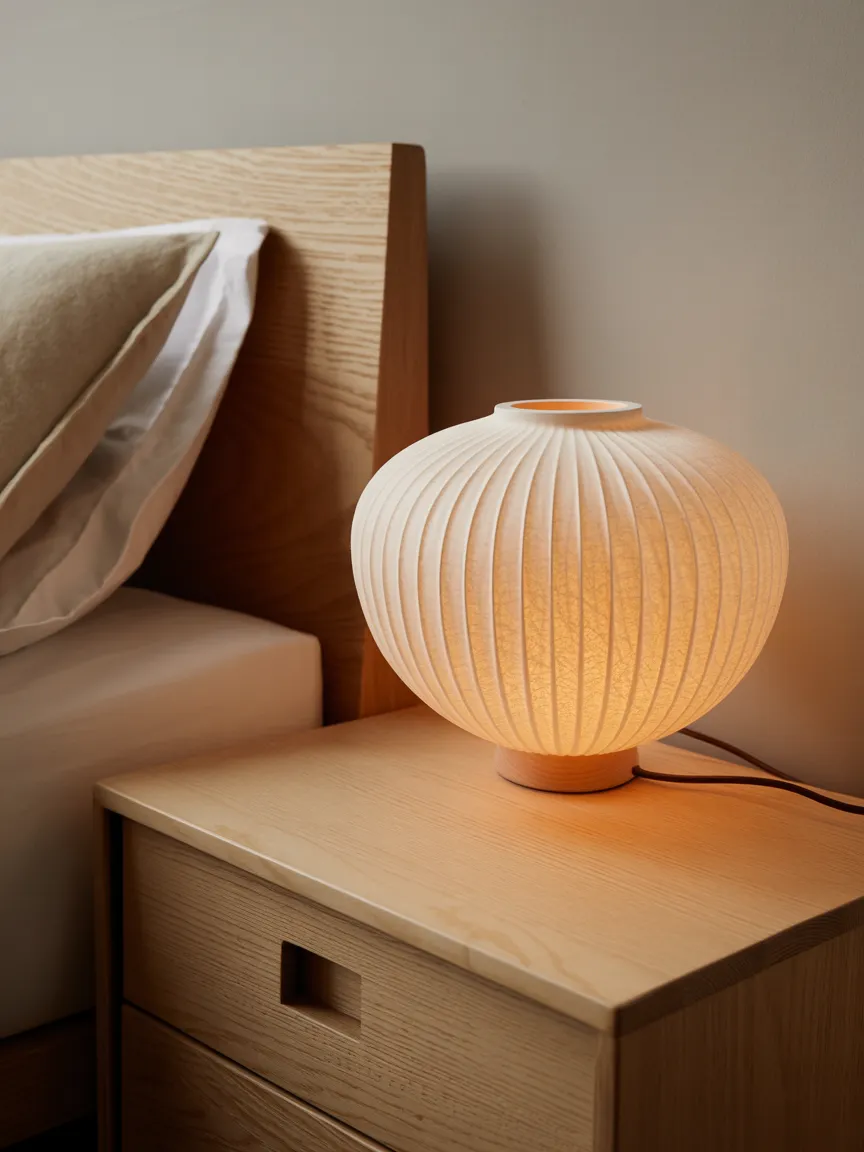
Opt for lighting fixtures that combine clean lines with natural or organic materials. Think pendant lights with paper shades, ceramic bases, or simple wooden floor lamps. The light emitted should be warm and diffused, creating a calm atmosphere. Subtle, natural lighting is crucial for setting a tranquil mood. You can find more living room lighting ideas that work well for bedrooms too.
Zen Accents & Thoughtful Greenery
These elements bring quiet introspection and vibrant life to your Japandi bedroom, embodying the essence of peace and connection to nature.
11. Indoor Bamboo Plants for Vertical Grace
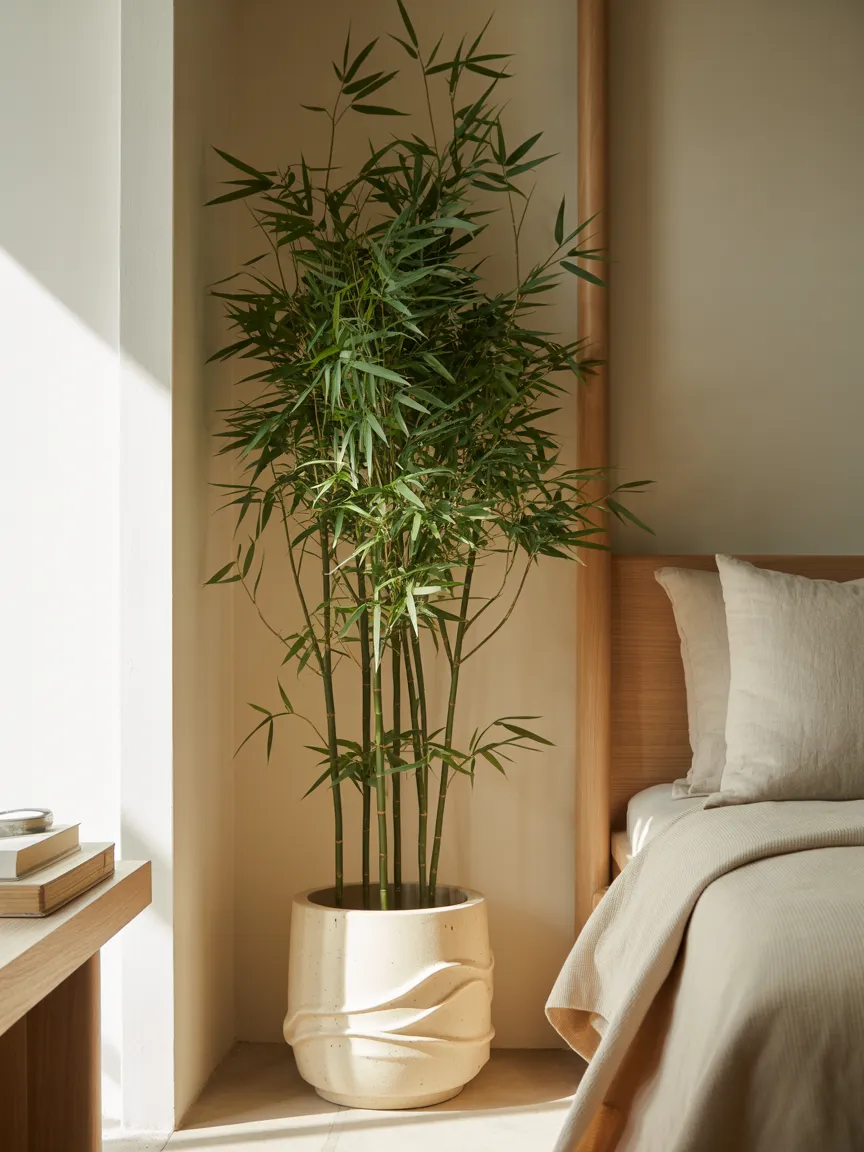
Introduce the graceful, vertical lines of indoor bamboo plants. Lucky bamboo in a simple ceramic pot, or a larger bamboo palm, adds a touch of Zen tranquility and natural elegance. They require minimal fuss and help purify the air. Bamboo plants bring natural calm and a touch of organic sculpture.
12. Single Stem Floral Arrangements
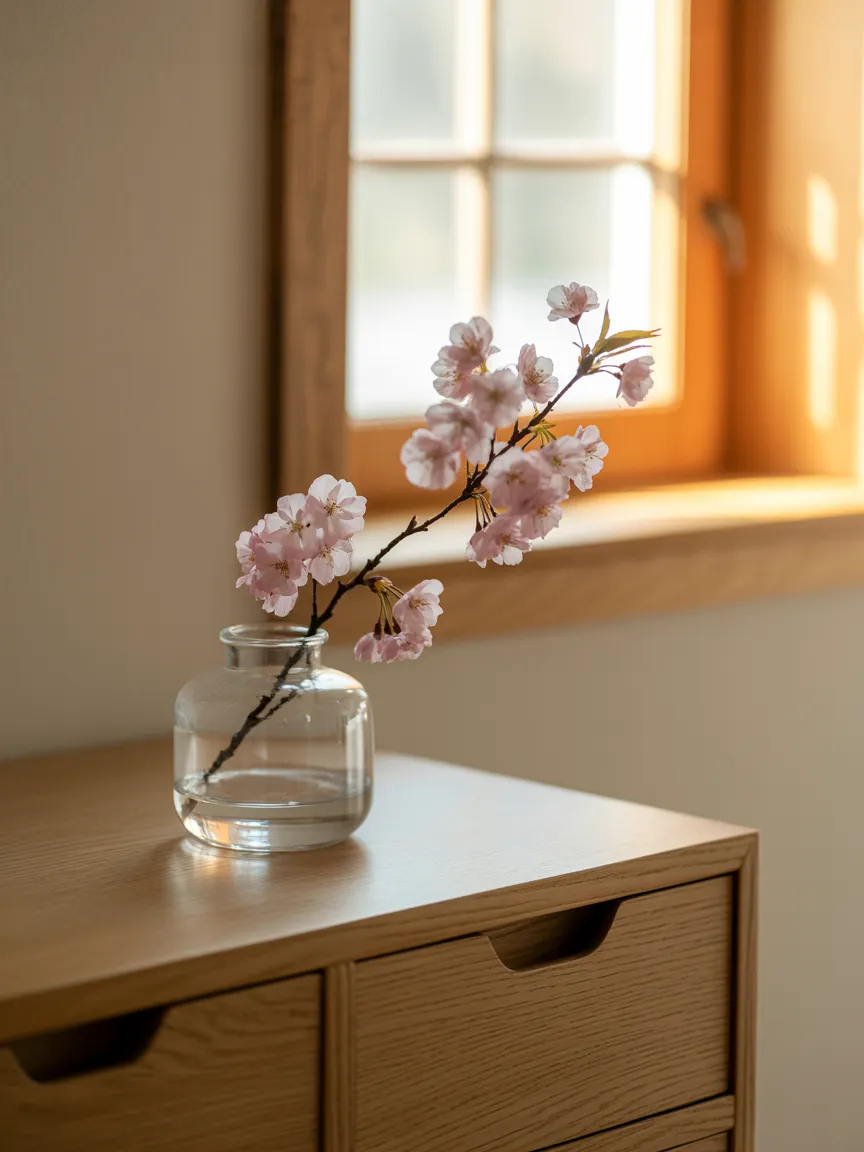
Embrace the beauty of simplicity with single stem floral arrangements. A lone delicate bloom – like an orchid, a cherry blossom branch, or a single eucalyptus stem – in a minimalist vase highlights its natural beauty. This adheres to Wabi-Sabi’s appreciation for individual perfection. One perfect stem speaks volumes, emphasizing simplicity and grace.
13. Abstract, Minimalist Wall Art
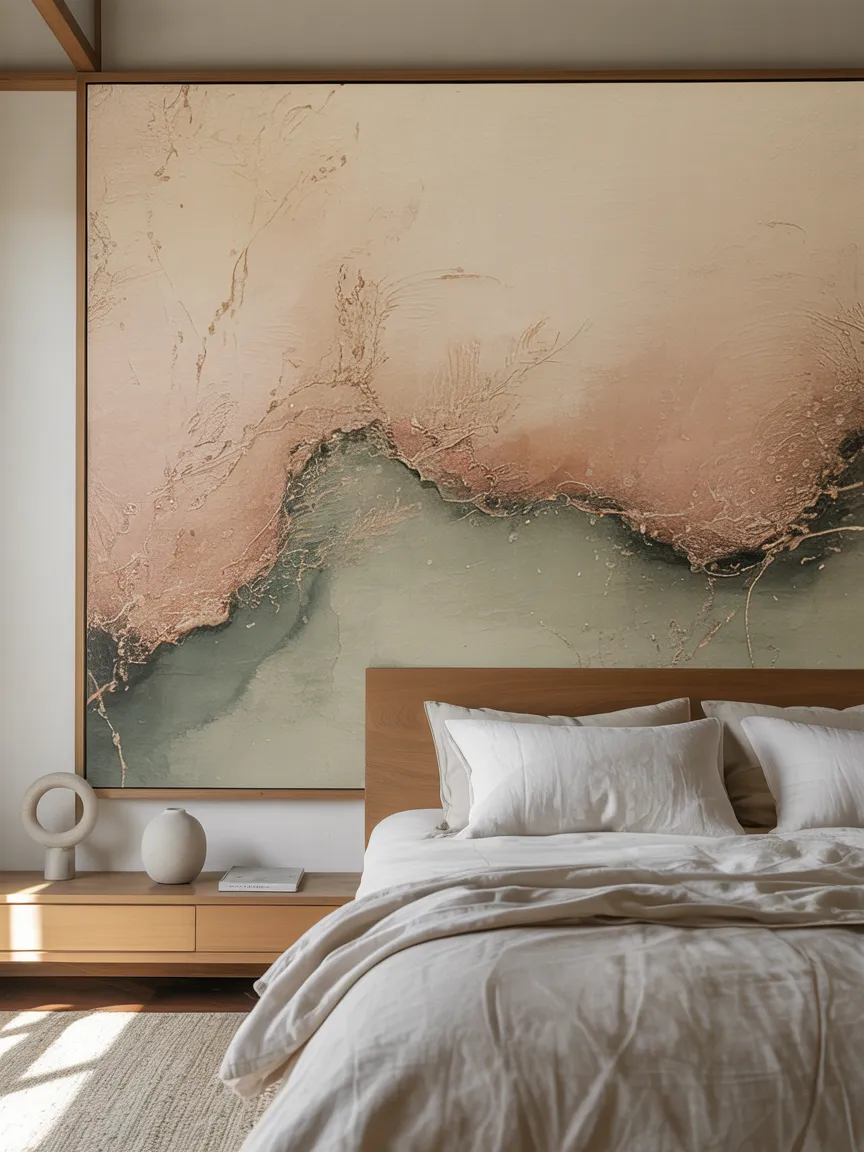
Adorn your walls with abstract, minimalist art pieces that feature soft colors, organic shapes, or subtle textures. These artworks should evoke a sense of calm and introspection, rather than demanding attention. Think muted tones and clean lines over bold statements. Minimalist art adds visual interest without disrupting tranquility. For more ideas, explore wall decor ideas.
14. Stone or Pebble Accents
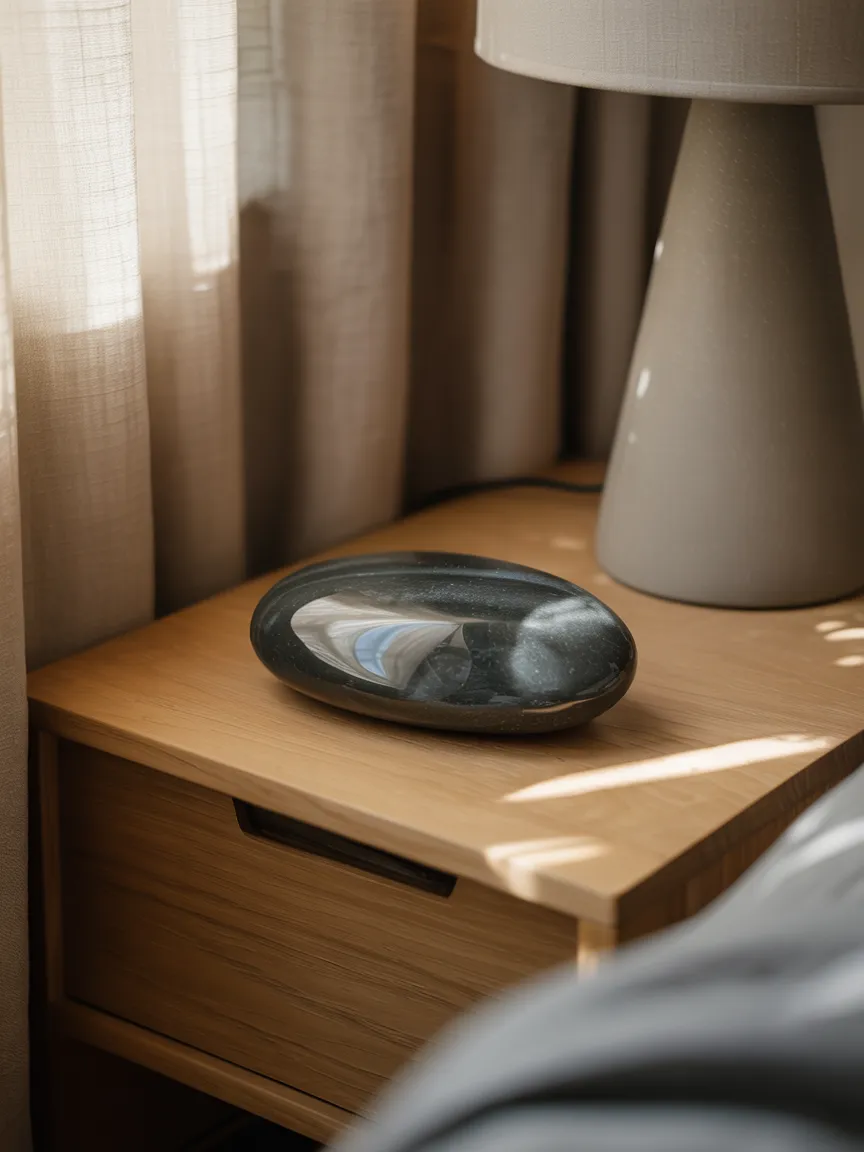
Bring the outdoors in with small, thoughtful stone or pebble accents. A smooth river stone on a bedside table, or a shallow dish filled with polished pebbles, adds an earthy, meditative touch. These elements ground the space and connect it to nature. Natural stones add a grounding, tactile connection to the earth.
15. A Bench at the Foot of the Bed
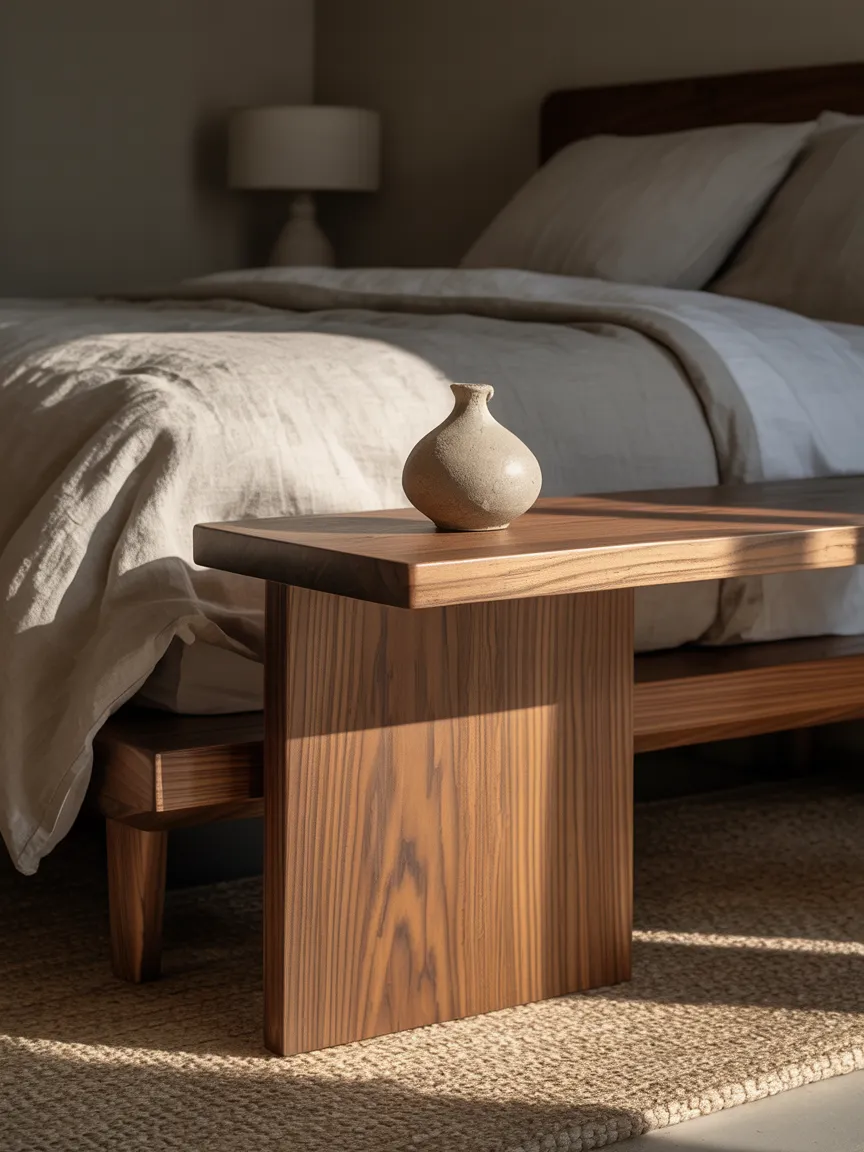
A simple wooden bench at the foot of your bed serves both a functional and aesthetic purpose. It provides a spot to sit, lay out clothes, or display a carefully chosen object. Choose one with clean lines and a natural wood finish to align with the Scandi-Japanese style. This functional piece adds understated elegance and utility.
What I Wish I’d Known Before I Started
When I first envisioned my Japandi bedroom, I pictured effortless serenity. What I didn’t account for was the discipline required to maintain those decluttered living spaces. I quickly realized that if every item doesn’t have a designated, often hidden, home, the minimalist home aesthetic quickly dissolves into visible chaos. I wish I’d invested more upfront in clever storage solutions that truly supported a ‘less is more’ lifestyle, rather than trying to fit my existing clutter into a new aesthetic.
Another big one was the perceived cost. I initially assumed that “quality, natural materials” meant an exorbitant budget. I spent time lamenting that Japandi decor was expensive. What I later discovered was that while some pieces *can* be pricey, the true essence of the style is about appreciation for craftsmanship and natural imperfections, which you can absolutely find at various price points. It’s about being mindful and patient in your sourcing, not just buying the most expensive version of everything. It also taught me how to mix Japanese and Scandinavian design elements effectively, not just purchasing items blindly. The key is balance and texture.
Achieving Zen & Comfort: Practical Japandi Tips
Bringing all these elements together requires a thoughtful approach. These tips help you seamlessly integrate Japandi principles into your bedroom for lasting peace.
16. Minimalist Bedside Tables with Storage
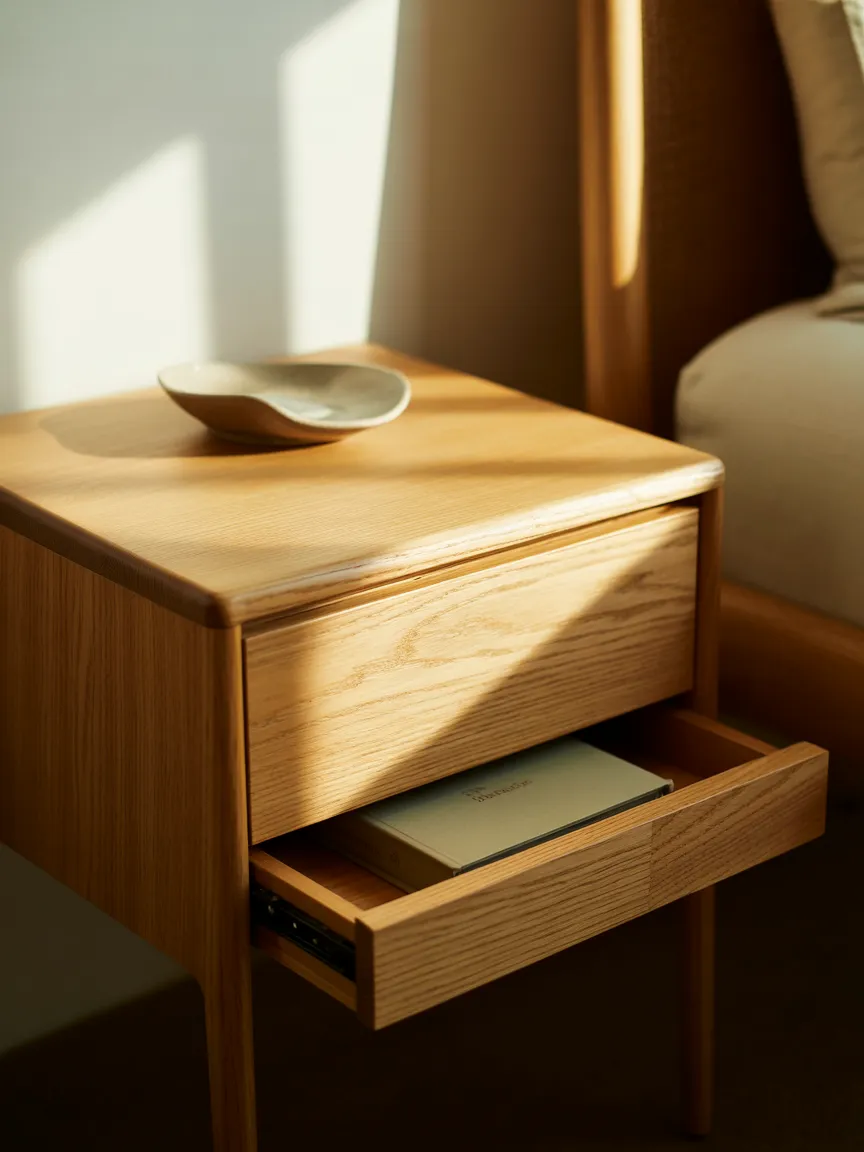
Choose bedside tables with clean lines and minimal fuss, ideally with a single drawer or shelf for essential items. A floating shelf can also work beautifully in a small space, maintaining a decluttered look. Light wood or a simple white finish reinforces the airy aesthetic. Streamlined bedside storage keeps surfaces clear and promotes calm.
17. Frameless Mirrors for Uninterrupted Lines
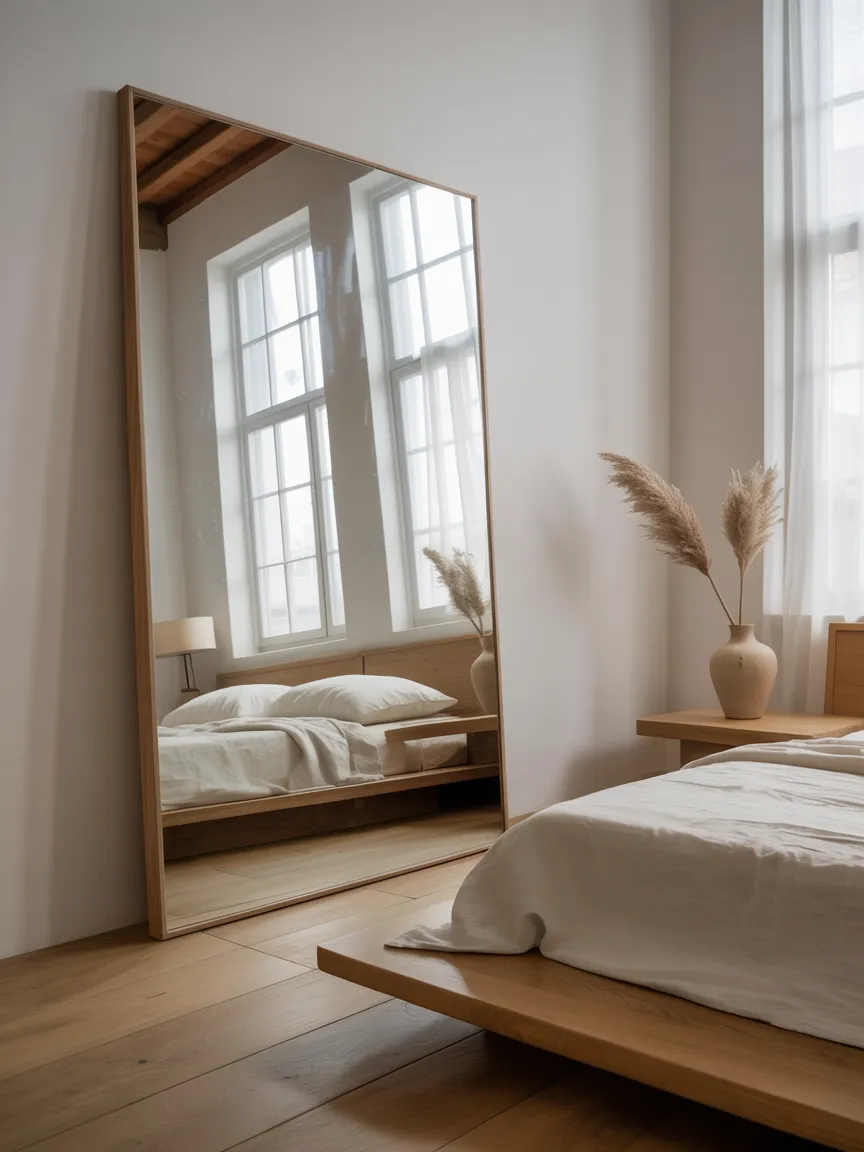
Opt for a large, frameless mirror to reflect light and expand the sense of space without adding visual clutter. A simple, full-length mirror leaned against a wall can be incredibly impactful and aligns with the minimalist home aesthetic. Its clean edges keep the focus on simplicity. Frameless mirrors add light and openness without breaking clean lines. For more options, explore mirror wall decor ideas.
18. Open Closet Systems for Mindful Living

While counter-intuitive to “hidden storage,” a neatly organized open closet system, featuring beautiful wooden hangers and carefully folded linen textiles, can reinforce mindful living. It encourages you to maintain a curated wardrobe and keep only what you truly need. This is a bold choice that requires discipline! An open closet reinforces intentionality and a clutter-free mindset.
19. Weighted Blankets for Deep Relaxation

Enhance your sleep quality and relaxation with a weighted blanket, draped neatly at the foot of your bed. The gentle pressure promotes a sense of calm and security, aligning perfectly with the Japandi emphasis on comfort and well-being. Choose one in a neutral, natural fiber cover. A weighted blanket provides therapeutic comfort for ultimate tranquility.
20. Textured Wall Art with Subtle Patterns
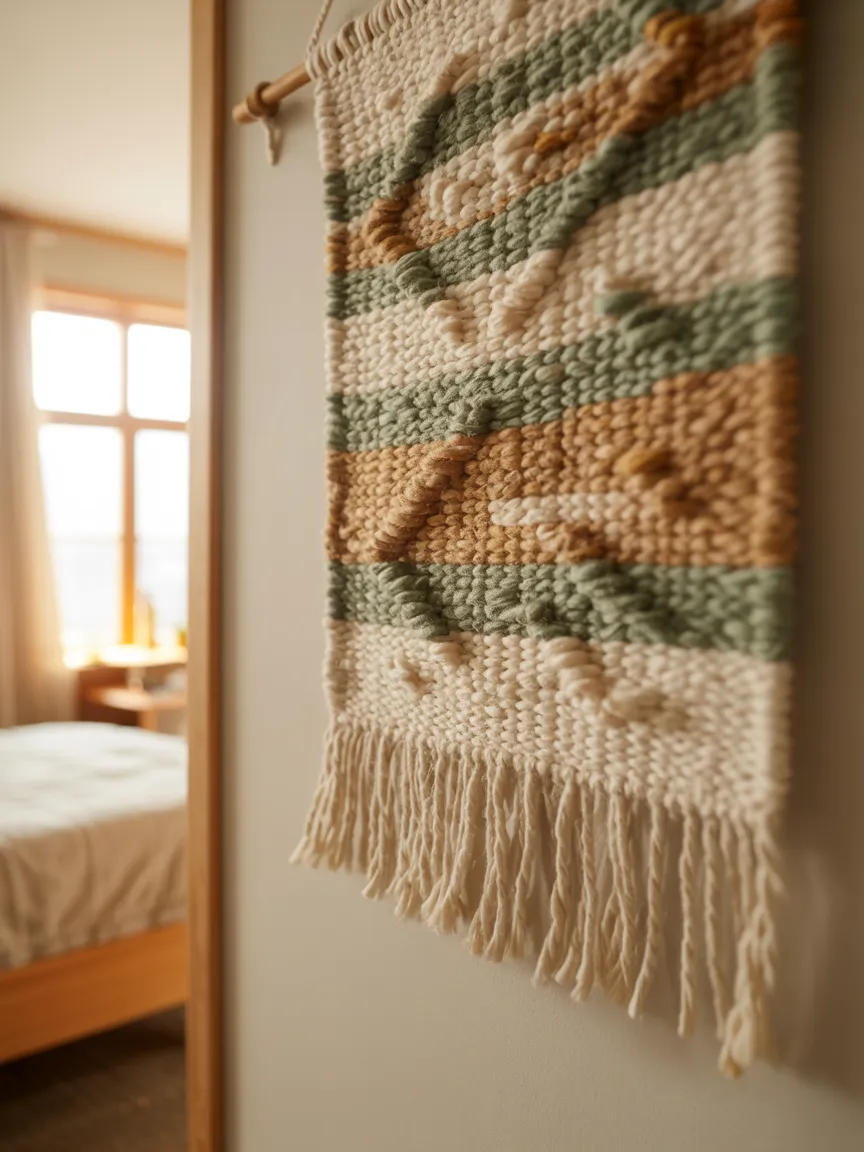
Beyond abstract art, consider textured wall hangings or art made from natural fibers like woven wool or paper. These pieces add softness, dimension, and a tactile element to your walls without introducing bold colors or distracting patterns. They contribute to the calm, organic feel. Textured wall art adds subtle depth and organic softness.
21. Ceramic Diffusers for Subtle Scents
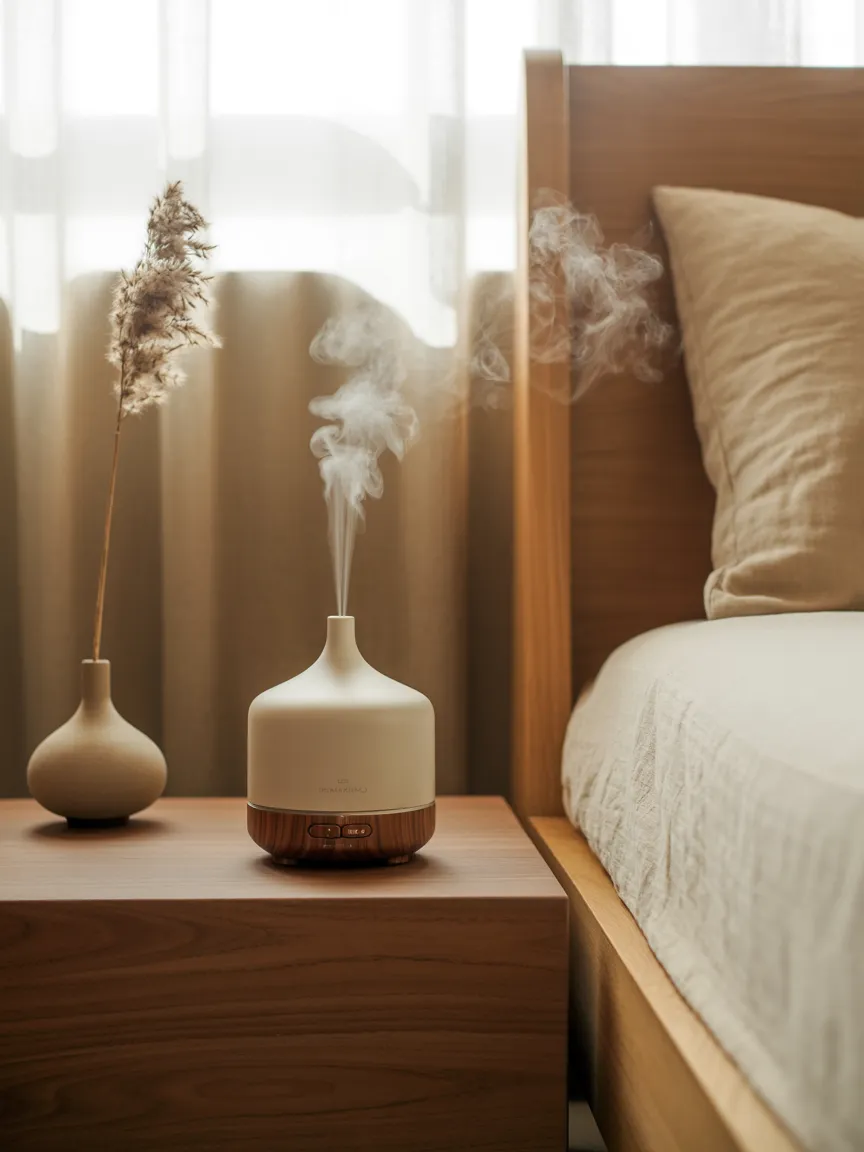
Engage your sense of smell with a minimalist ceramic diffuser. Opt for essential oils like lavender, sandalwood, or cedarwood to create a soothing, natural aroma in your bedroom. The diffuser itself should be a simple, aesthetically pleasing object that blends seamlessly. Subtle, natural scents complete the sensory experience of a peaceful bedroom.
22. A Small Meditation Cushion
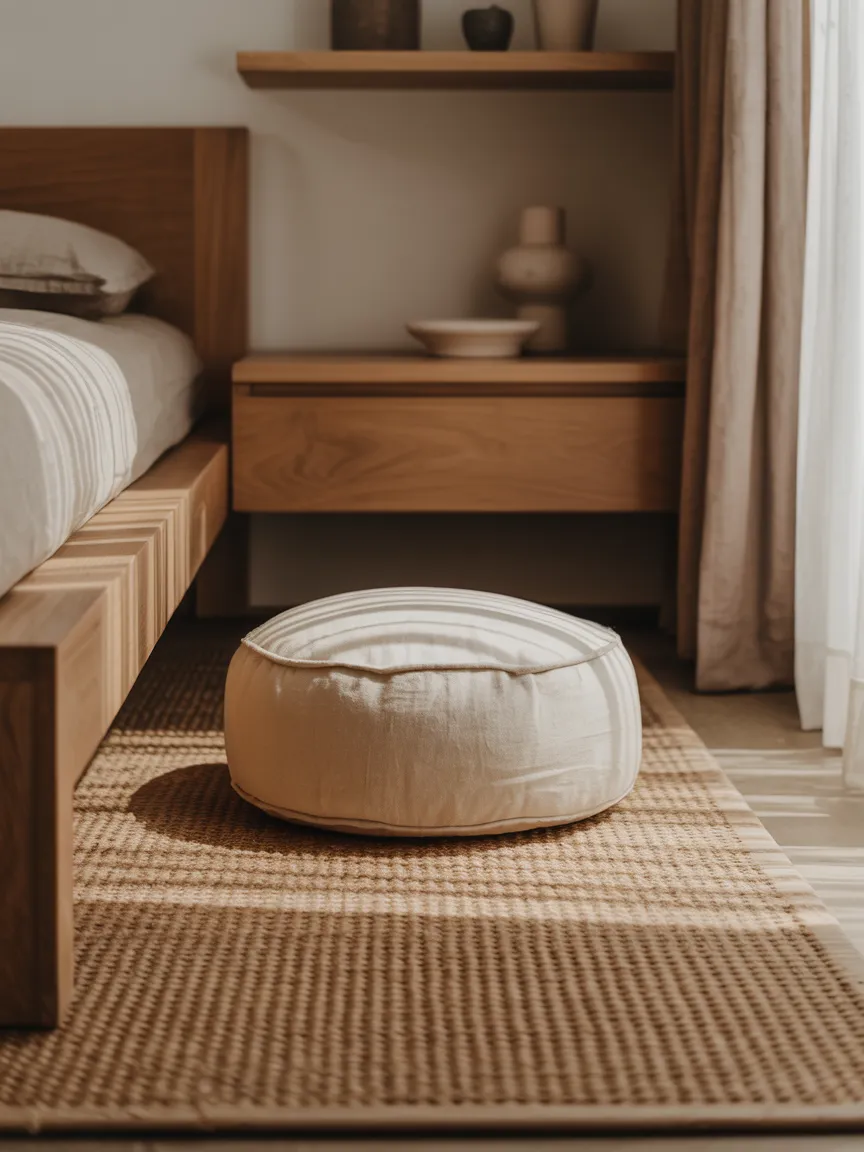
Designate a small, comfortable meditation cushion or floor pillow in a quiet corner of your bedroom. This encourages moments of mindfulness and reflection, aligning with the Zen principles of Japandi. Choose one in a natural fabric and a muted tone. A meditation cushion invites calm contemplation into your daily routine.
23. Curtains or Blinds in Natural Fabrics
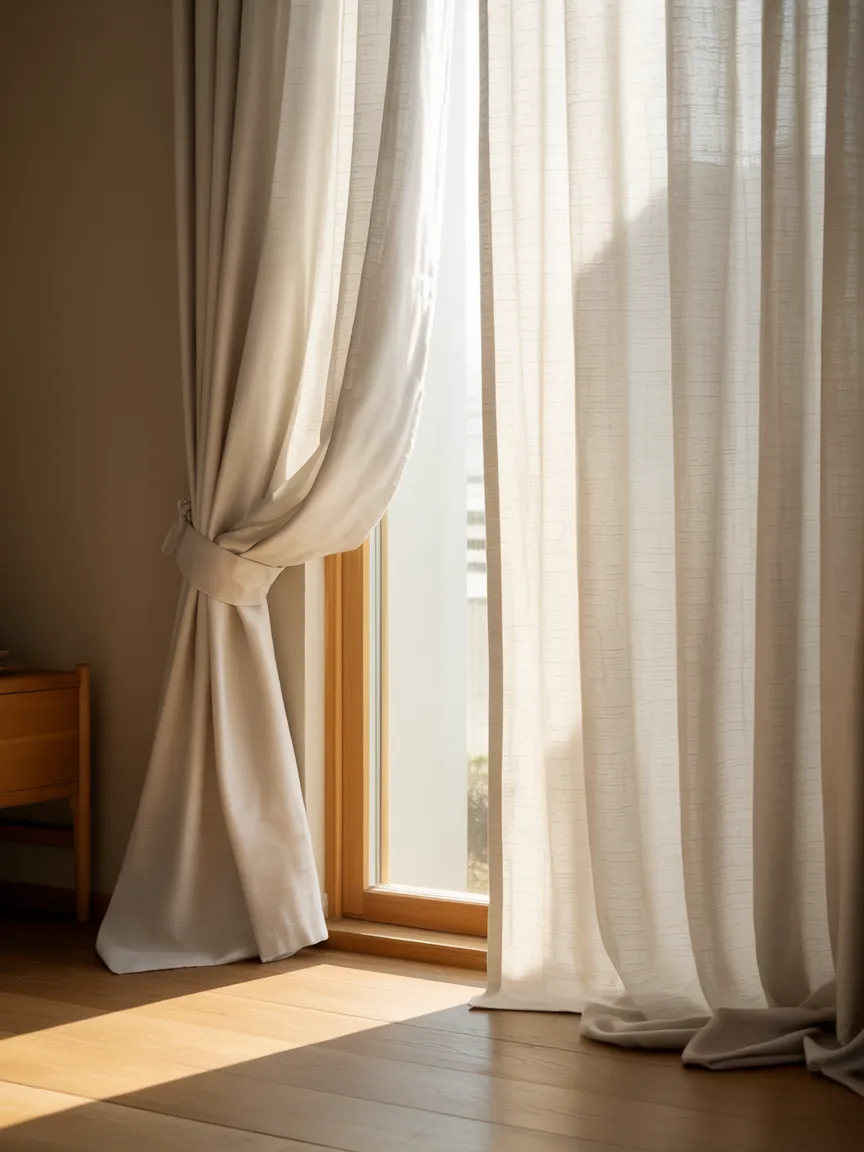
Dress your windows with curtains or blinds made from natural fabrics like linen, cotton, or bamboo. They should be unlined or lightly lined to allow soft, diffused natural light to filter in, maintaining the bright and airy feel. Simple, flowing drapes are perfect. Natural window coverings enhance light and contribute to a soft, ethereal atmosphere.
24. Books as Carefully Chosen Accents
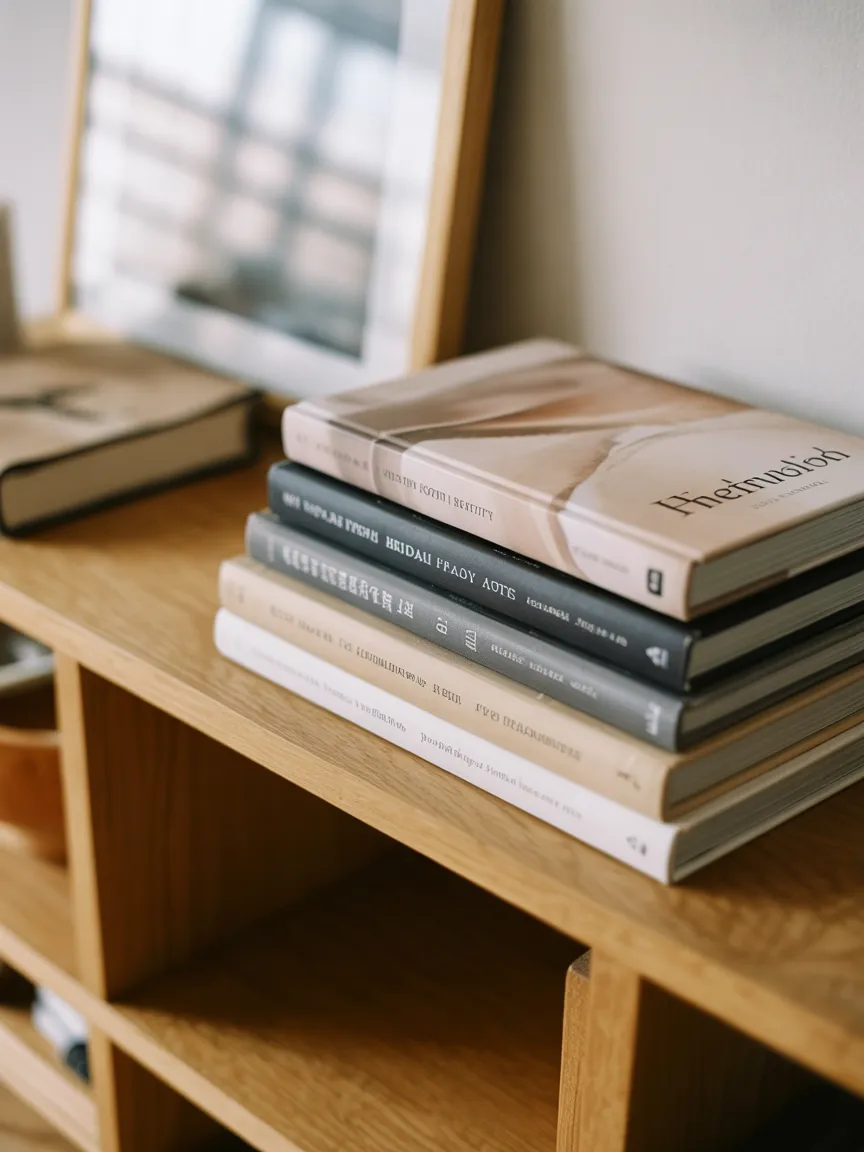
While Japandi leans minimalist, books can absolutely be part of the aesthetic if chosen and displayed thoughtfully. Select a few art books, calming philosophy texts, or beautifully bound classics. Stack them neatly on a bedside table or a low shelf. Books, when curated, add quiet intellectual depth without clutter.
25. The Beauty of Negative Space
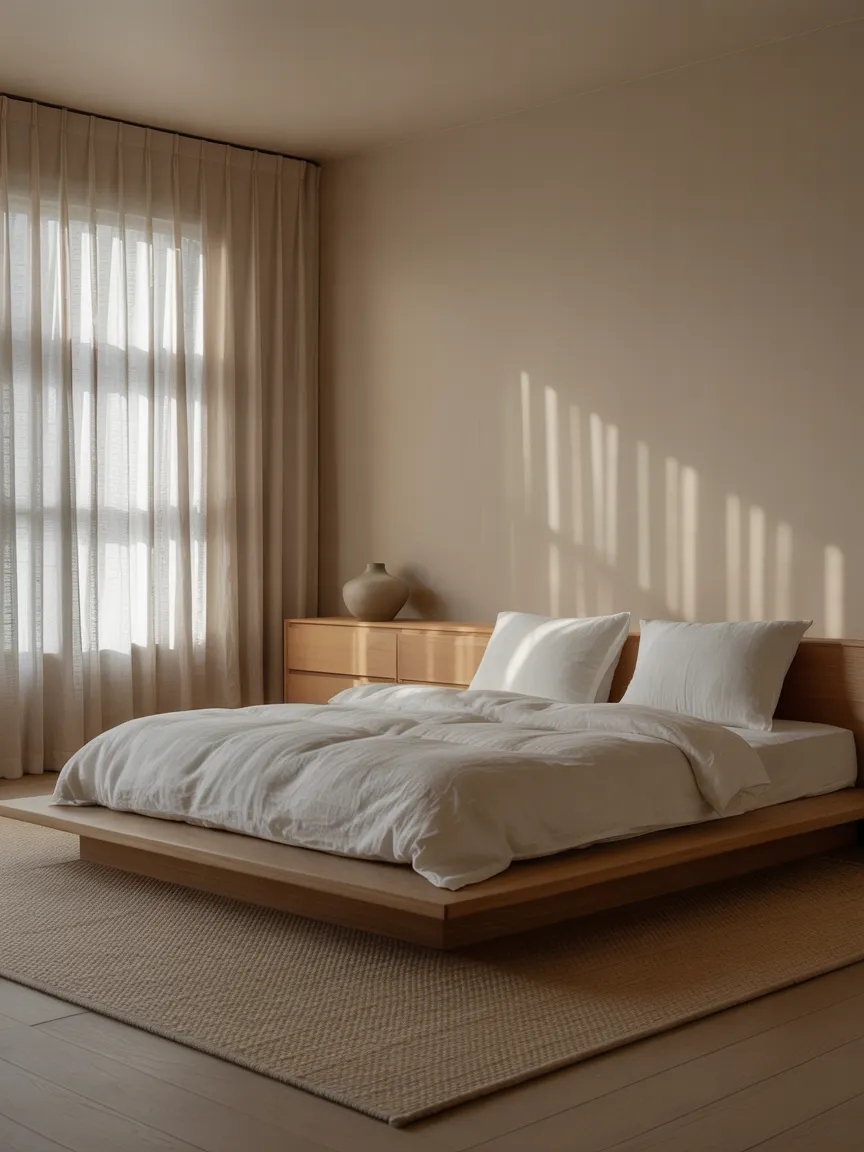
Perhaps the most crucial Japandi principle is the deliberate use of negative space. Don’t feel the need to fill every corner or surface. Allowing ample empty space around your furniture and decor creates a sense of calm, airiness, and allows each object to be appreciated. Empty space is not empty; it’s essential for peace and visual clarity.
The Stuff I Learned the Hard Way So You Don’t Have To
If you’re wondering where to start if you feel overwhelmed by the idea of Japandi interior design, I completely understand. My advice? Begin in your bedroom. Clear out anything that doesn’t bring you peace or serve a clear function. Then, introduce one or two Japandi elements you love – maybe it’s just a set of linen sheets, or a simple low-profile bedside table. Start small, get comfortable, and let the serenity build naturally.
Can you do this as a renter with no drilling? Absolutely! Focus on low-profile furniture that doesn’t require wall mounting. Use tension rods for curtains. Opt for self-adhesive hooks for lightweight wall art. Instead of built-in storage, look for freestanding minimalist units or beautiful woven baskets. The key is to make clever, non-permanent choices that respect your lease. Renter-friendly Japandi is all about smart, temporary solutions that still look intentional.
Is Japandi decor expensive? It doesn’t have to be. To achieve a budget-friendly Japandi home makeover, prioritize natural materials but be smart about where you source them. Look for bamboo accents at local craft stores, thrift for simple wooden furniture that can be sanded and re-stained, and opt for high-quality, but fewer, key pieces rather than many cheap ones. DIY projects, like making your own simple art, can also save money. Thoughtful sourcing and a “buy less, choose well” mentality are key to an affordable Japandi look. For more budget tips, check out how to decorate your home on a budget.
The one mistake beginners always make is overcomplicating it, trying to adhere to rigid rules. Japandi is a feeling, a philosophy. It’s about warmth, simplicity, and functionality, blended with respect for nature and imperfection. Don’t obsess over perfectly matching everything; instead, focus on creating a harmonious blend of textures and tones that feel good to *you*. Embrace the spirit of peaceful living, not a rigid checklist. FYI, it’s less about perfect symmetry and more about balanced asymmetry.
How do you make a room look Japandi and not just boringly empty or too Scandinavian, or too Japanese? It’s all about the subtle balance. If you lean too heavily into bright, white woods and chunky knits, you’re purely Scandi. If you go all in on dark woods and stark minimalism, you might miss the cozy. The secret lies in blending. Use light Scandi wood with a darker Japandi accent. Pair a structured Japanese vase with a soft Scandinavian throw. It’s the interplay that creates that unique, calming tension. Find your unique balance between cozy comfort and serene simplicity.
So, there you have it: 25 Japandi bedroom concepts designed to bring Scandinavian comfort and Zen tranquility into your most personal space. This isn’t just about redesigning a room; it’s about curating an environment that supports your peace, rest, and well-being. My personal advice? Take five minutes right now, look around your bedroom, and identify one small thing you can remove or adjust to bring a little more calm. Even the tiniest shift can make a huge difference. You deserve a truly restful space. 🧘♀️


